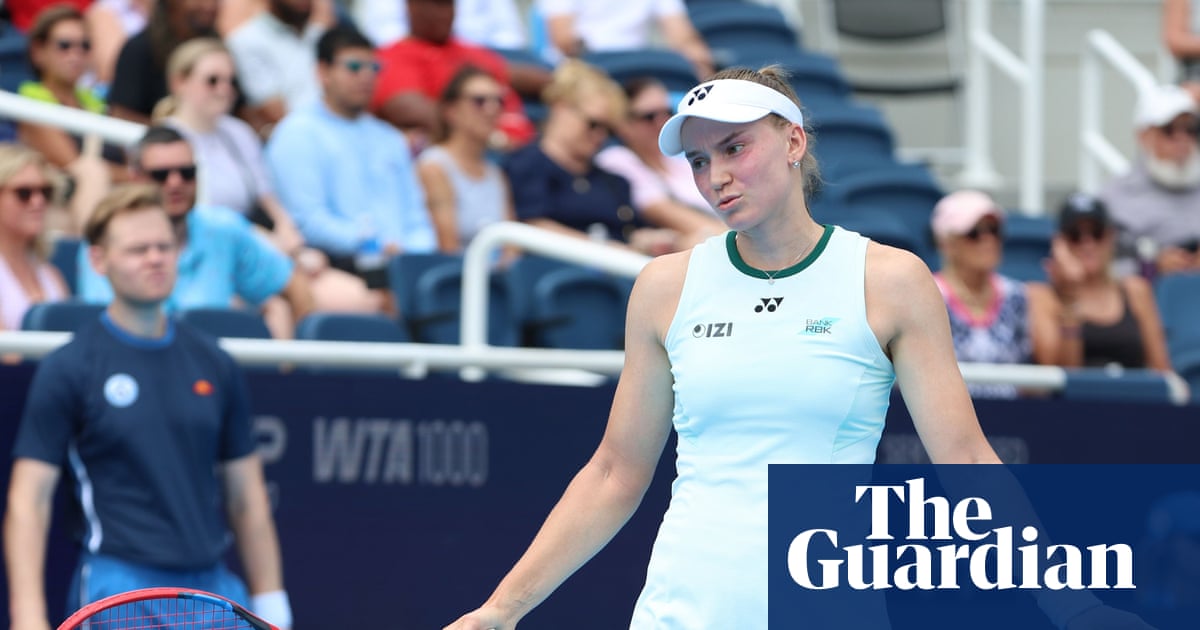
Top tennis stars including Elena Rybakina, Aryna Sabalenka, and Iga Swiatek are demanding a schedule overhaul for the 2028 Los Angeles Olympics to prevent athlete burnout and injury.
- The LA28 Olympic tennis event is scheduled to begin just three days after the Wimbledon finals.
- Elite players are concerned about the rapid transition from grass courts to hard courts.
- Iga Swiatek highlights a systemic lack of priority for player welfare in tournament scheduling.
The professional tennis circuit is facing a brewing crisis over the proposed 2028 calendar. Elena Rybakina, along with other top-tier athletes, has voiced strong opposition to the scheduling of the Los Angeles 2028 (LA28) Olympics, which is set to begin on July 19—a mere three days after the Wimbledon men's final on July 16.
The primary concern revolves around the logistical nightmare of flying from London to Los Angeles and the physiological strain of switching from grass courts to hard courts in such a short window. Aryna Sabalenka described the timeline as "ridiculous," emphasizing that the Olympics is a once-in-four-years event that deserves a schedule allowing for at least a week of adaptation.
Why This Matters
BozokMedia analysis shows that this scheduling conflict exposes a widening gap between administrative planning and athletic reality. The risk of injury increases exponentially when players are forced to adapt to different surfaces while battling extreme jet lag. This could potentially lead to top seed withdrawals or subpar performances at one of the world's biggest sporting events.
"The transition from grass to hard courts requires specific biomechanical adjustments that cannot be achieved in 72 hours."
World No. 1 Iga Swiatek took the critique further, suggesting that this is part of a larger pattern where player welfare is sidelined. Swiatek noted that while she was previously dismissed as a "crybaby" for raising similar concerns, there is now a collective consensus among the tour's elite that the current trajectory is unsustainable.
Historically, the gap has been more manageable. For instance, the 2024 Paris Olympics provided a 13-day buffer after Wimbledon, allowing athletes to reset. Daniil Medvedev, upon learning of the LA28 dates, urged organizers to extend the gap to at least six or seven days to ensure a fair competition.
| Feature | Paris 2024 | Los Angeles 2028 |
|---|---|---|
| Gap after Wimbledon | 13 Days | 3 Days |
| Surface Adaptation Time | Sufficient | Minimal/Impossible |
| Player Sentiment | Acceptable | Strong Opposition |
Frequently Asked Questions
Q1: Why is the 3-day gap problematic for tennis players?
A: It combines the stress of long-haul international travel with the need to switch from grass to hard courts, increasing injury risks.
Q2: What are the players proposing as a solution?
A: Players like Sabalenka and Medvedev are requesting at least a 6-7 day window to ensure proper physical and mental preparation.