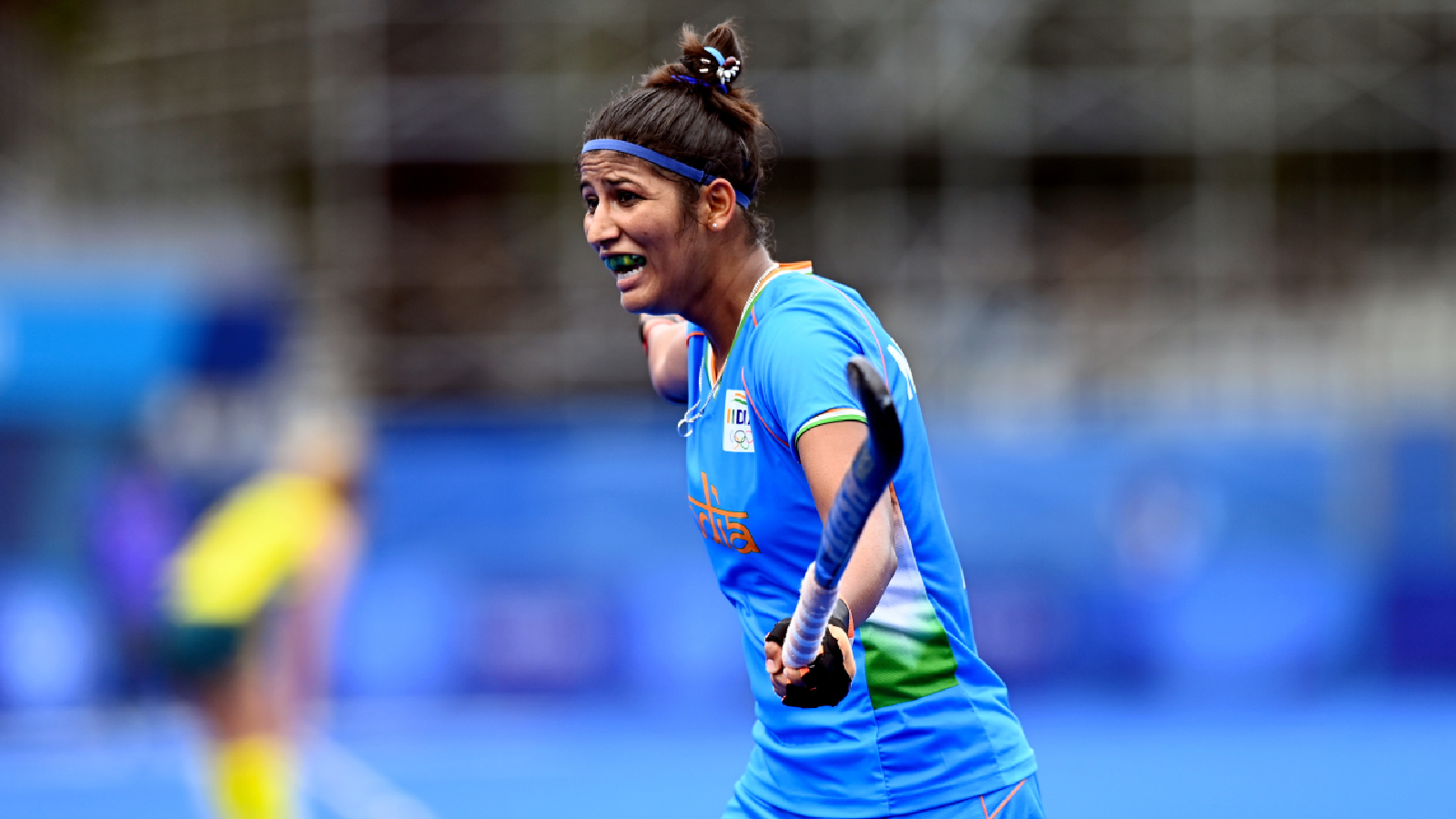
Rising from the hockey cradle of Shahbad, Navneet Kaur has evolved from a young girl in a cricket-centric home to a pivotal force in India's World Cup campaign. Her resilience and tactical evolution make her a cornerstone of the national team.
- Navneet Kaur overcame a family preference for cricket to embrace hockey in the talent hub of Shahbad.
- Under the mentorship of Padma Shri awardee Coach Baldev Singh, she developed a disciplined approach to the game.
- Her standout performance against China in the World Cup opener highlighted her role as a modern, high-energy forward.
- A shift toward 'tactical smartness' and elite fitness transformed her from a fringe player to a mainstay with 95 international goals.
In the small town of Shahbad, Haryana, hockey isn't just a sport; it is a way of life. For Navneet Kaur, the path to the hockey pitch was unconventional. Growing up in a household where cricket reigned supreme, her father was a devotee of the sport, and her early idols were cricketing stars like Harmanpreet Kaur. However, the gravitational pull of Shahbad—a town renowned as an assembly line for international hockey talent—eventually steered her toward the turf.
The Influence of Coach Baldev Singh
The catalyst for Navneet's transformation was Coach Baldev Singh, a legendary figure recently honored with the Padma Shri. Baldev Singh has turned Shahbad into a powerhouse, producing over 80 internationals and eight Indian captains, including the iconic Rani Rampal. Navneet’s early years were spent observing the rigorous training of former captains Ritu Rani and Surinder Kaur. The regime was uncompromising; discipline was non-negotiable, and lack of focus often resulted in endless laps around the ground.
Why This Matters
BozokMedia analysis shows that Navneet's trajectory exemplifies the critical importance of regional sporting ecosystems. The 'Shahbad Model' demonstrates how concentrated coaching expertise and a culture of excellence can bypass traditional sporting preferences (like cricket) to create world-class athletes in niche sports.
"In the modern era of hockey, raw skill is the baseline, but tactical intelligence and physical endurance are what define a world-class forward."
Evolution Through Adversity
Despite a debut in 2014, Navneet's early career was marked by inconsistency. Between 2014 and 2017, she managed only 16 appearances. This period of uncertainty became her turning point. Realizing that skill alone wasn't enough, she pivoted her focus toward the 'smartness' of the game—understanding complex tactics and optimizing her physical conditioning. This evolution paid off, as she has since amassed 196 caps and scored 95 goals.
Her performance against China in the World Cup opener was a masterclass in modern forward play. Rather than idling in the circle, Navneet acted as a playmaker, pressing high and even tracking back into her own half to win possession, showcasing a level of work rate that is rare in attacking players.
Frequently Asked Questions
Q1: How did Navneet Kaur's upbringing influence her sports choice?
A: While her home environment was dominated by cricket, the pervasive hockey culture of Shahbad and the presence of elite coaching from Baldev Singh led her to choose hockey over cricket.
Q2: What changed in Navneet's game to make her a consistent starter?
A: She shifted her focus from purely technical skills to 'game intelligence' and high-level fitness, allowing her to execute complex tactics and maintain high intensity throughout a match.