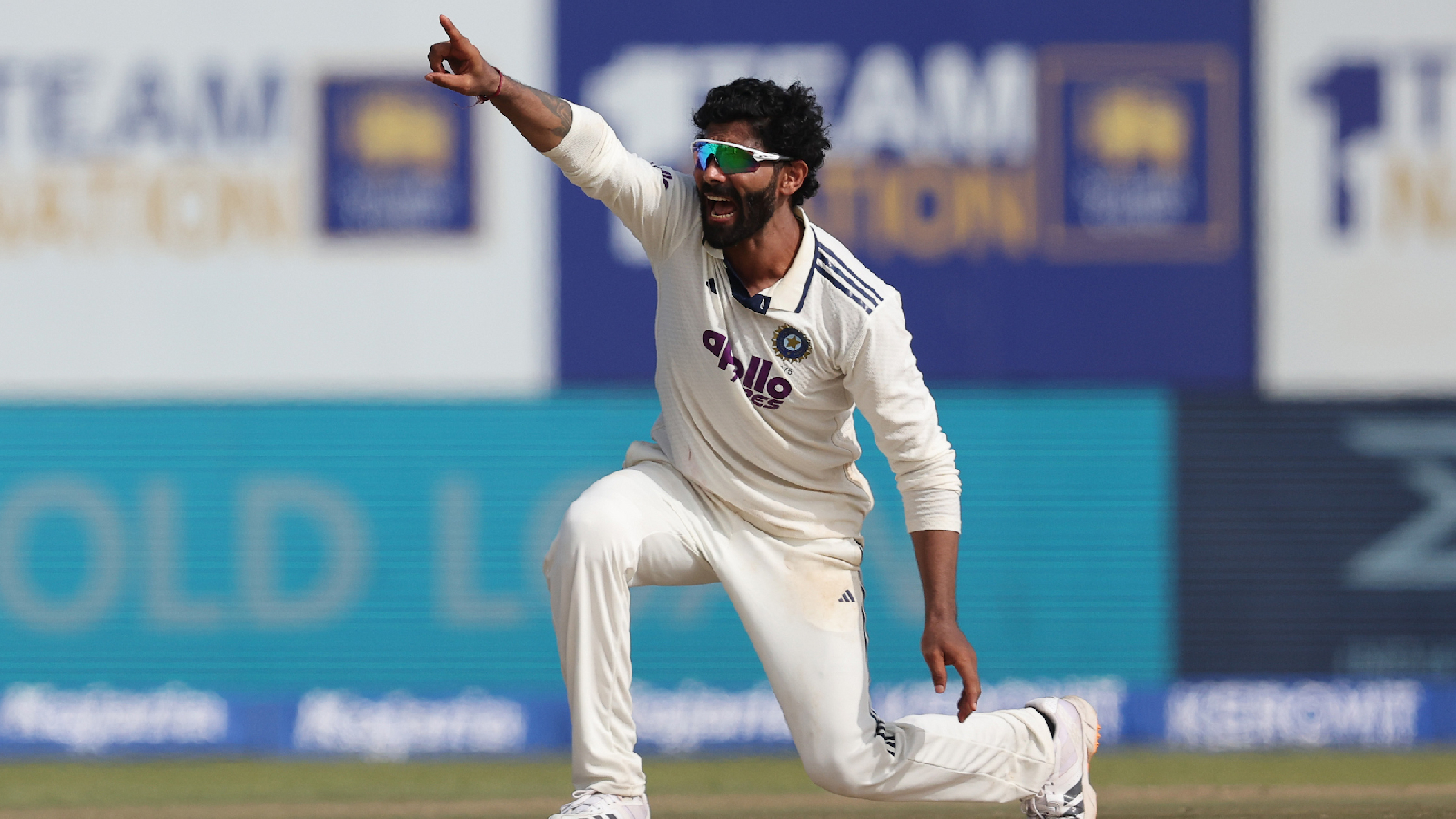
A deep dive into the high-stakes encounter between the Chicago White Sox and the Chicago Cubs on August 17, 2026. Discover the key plays, scoring trends, and the impact of the game.
- Intense rivalry clash between the Chicago White Sox and Chicago Cubs.
- Strategic pitching and batting shifts defined the match outcome.
- Significant crowd engagement at one of baseball's most iconic venues.
The clash between the Chicago White Sox and the Chicago Cubs on August 17, 2026, served as a masterclass in strategic baseball. As two of the most storied franchises in Major League Baseball (MLB), their meeting is always fraught with tension and high expectations from the local fanbase.
The game featured pivotal moments where the momentum swung violently between both sides. The performance of Pete Crow was a focal point of the match, as his delivery and game management played a crucial role in the tactical battle on the mound.
Why This Matters
BozokMedia analysis shows that the 'Crosstown Classic' transcends sport, acting as a cultural touchstone for the city of Chicago. The economic impact of such games on local tourism and sports merchandising is immense, reinforcing the commercial viability of the MLB model.
"The psychological weight of playing in a crosstown rivalry often outweighs the statistical probabilities of the game."
Historically, these two teams rarely meet in regular-season play, making every encounter a rare event. The atmosphere at the stadium was electric, with fans bringing an intensity usually reserved for the postseason.
| Team | Strategy | Key Impact |
|---|---|---|
| Chicago Cubs | Aggressive Offense | Early Lead Generation |
| Chicago White Sox | Defensive Pitching | Mid-game Recovery |
Frequently Asked Questions
Q1: When did this specific matchup take place?
A: The game was played on August 17, 2026.
Q2: Who was a key figure in the game's narrative?
A: Pete Crow was one of the central figures whose performance significantly influenced the game's flow.