Cricket has evolved beyond talent and technique into a realm of AI and advanced analytics. Discover how data graphics involving MS Dhoni keep fans engaged even in losing causes.
- The rising dominance of Artificial Intelligence (AI) and advanced analytics in modern cricket.
- The psychological impact of MS Dhoni's statistics on fan engagement during critical matches.
- The shift from intuitive captaincy to data-driven strategic decision-making.
As cricket enters an era increasingly shaped by artificial intelligence and advanced analytics, data has become as important to the game as talent and technique. The modern spectator no longer relies solely on the live action; they are guided by a constant stream of metrics, probabilities, and historical comparisons that shape their perception of the match in real-time.
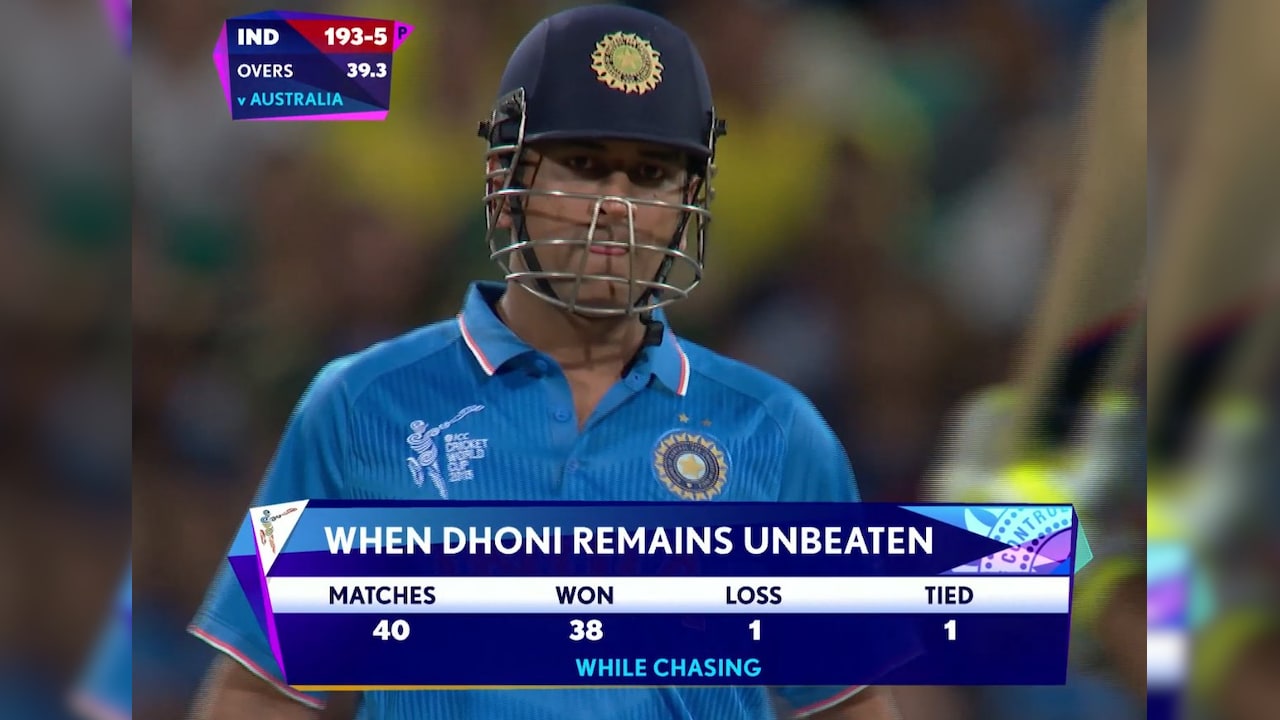
A poignant example of this is the phenomenon surrounding MS Dhoni. Even in a World Cup match where the odds are stacked against the team, a single data graphic highlighting Dhoni's historical prowess in pressure situations can keep millions of Indian fans glued to their screens. This is not merely about numbers; it is about the narrative of 'the great finisher' being validated by empirical evidence.
Why This Matters
BozokMedia analysis shows that the intersection of celebrity athlete status and real-time data visualization creates a 'hope loop' for fans. When a graphic shows Dhoni's historical success rate in the final overs, it overrides the current bleak scoreboard, transforming a mathematical probability into an emotional narrative.
"Data in cricket is no longer just for coaches; it is a storytelling tool that bridges the gap between despair and hope for millions of fans."
Historically, cricket was a game of intuition and 'gut feel.' Captains made decisions based on experience and the immediate atmosphere of the ground. However, the integration of AI has shifted the paradigm. From pitch maps to wagon wheels and predictive win-probabilities, data now dictates the flow of the game and the broadcast narrative.
The case of MS Dhoni demonstrates how data can quantify a legacy. When fans see a graphic depicting his success in the death overs, the current deficit is viewed not as a certainty of defeat, but as a setup for a classic Dhoni-led comeback. This psychological anchor is a powerful tool for broadcasters to maintain viewership.
Frequently Asked Questions
Q1: What is the primary goal of data analytics in cricket?
A: The goal is to provide an objective analysis of player performance and use historical patterns to optimize match strategies.
Q2: Can data actually change the outcome of a match?
A: While data doesn't physically play the game, it empowers captains and bowlers to make informed decisions, significantly increasing the likelihood of a favorable outcome.