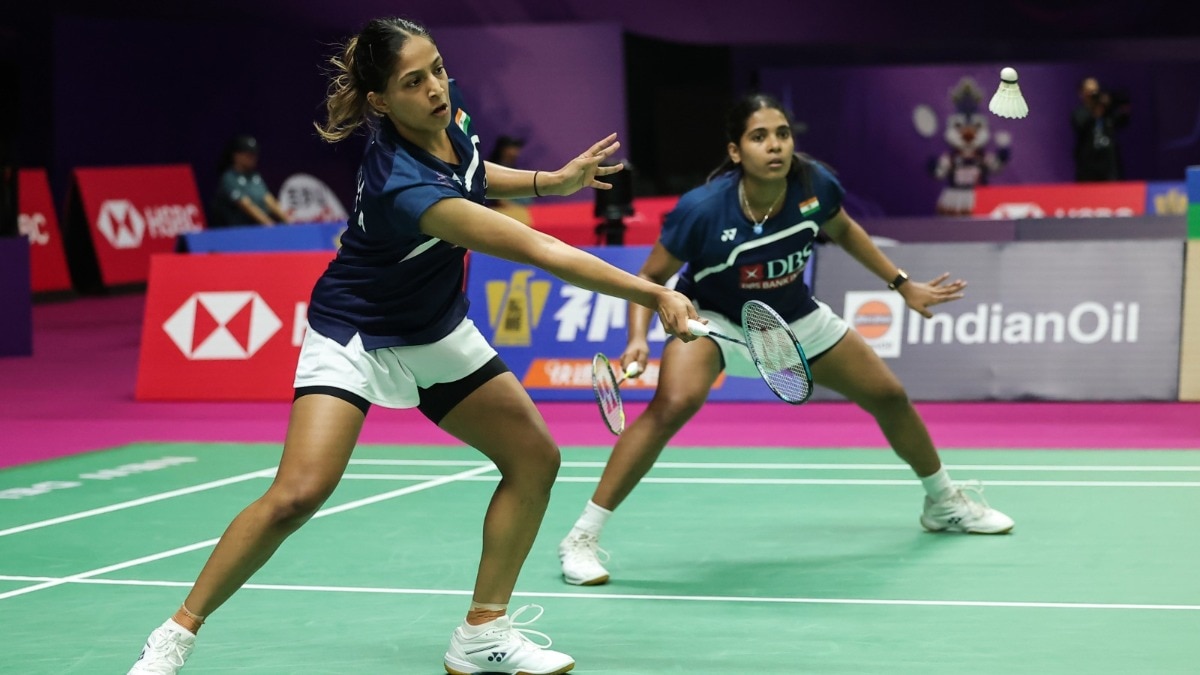
While the announcement of the Arjuna Awards faced delays, athletes Gayatri and Treesa have successfully reclaimed their momentum on the field, proving their mettle.
- Arjuna Award delays did not dampen the spirits of rising athletes.
- Gayatri and Treesa have demonstrated exceptional form in recent competitions.
- The performance highlights individual resilience over institutional timing.
The Indian sporting landscape has been buzzing with discussions regarding the timing of prestigious accolades. Although the Arjuna Award announcements encountered unforeseen delays, the impact on the athletes' trajectory has been minimal. Notably, Gayatri and Treesa have emerged as beacons of resilience, finding their competitive rhythm exactly when it mattered most.
The delay in recognition often creates a vacuum in the sporting ecosystem, yet Gayatri and Treesa have filled that void with sheer performance. Their ability to maintain high-intensity training and competitive edge despite the lack of immediate formal recognition speaks volumes about their professional character and dedication to their respective disciplines.
Why This Matters
BozokMedia analysis shows that the synchronization between athletic excellence and institutional recognition is crucial for morale. However, when that synchronization fails, the burden falls on the athlete's mental fortitude. The success of Gayatri and Treesa serves as a case study in how individual brilliance can transcend administrative shortcomings.
True champions are defined not by the trophies they hold, but by the rhythm they maintain when the spotlight is delayed.
Historically, Indian athletes have navigated a complex path involving delayed recognition and resource scarcity. However, a paradigm shift is visible. Modern athletes are increasingly driven by global benchmarks and personal excellence rather than waiting for domestic administrative validation.
The 'rhythm' mentioned in recent reports refers to more than just physical coordination; it signifies a psychological state of flow. For Gayatri and Treesa, reaching this state amidst the uncertainty of awards demonstrates a level of maturity that is essential for long-term success in international arenas like the Olympics.
Frequently Asked Questions
Question 1: How did the delay in awards affect the athletes?
Answer: While administrative delays can be frustrating, Gayatri and Treesa managed to stay focused on their performance rather than the accolades.
Question 2: What makes Gayatri and Treesa stand out?
Answer: Their ability to find their competitive rhythm and maintain consistency under pressure sets them apart from their peers.