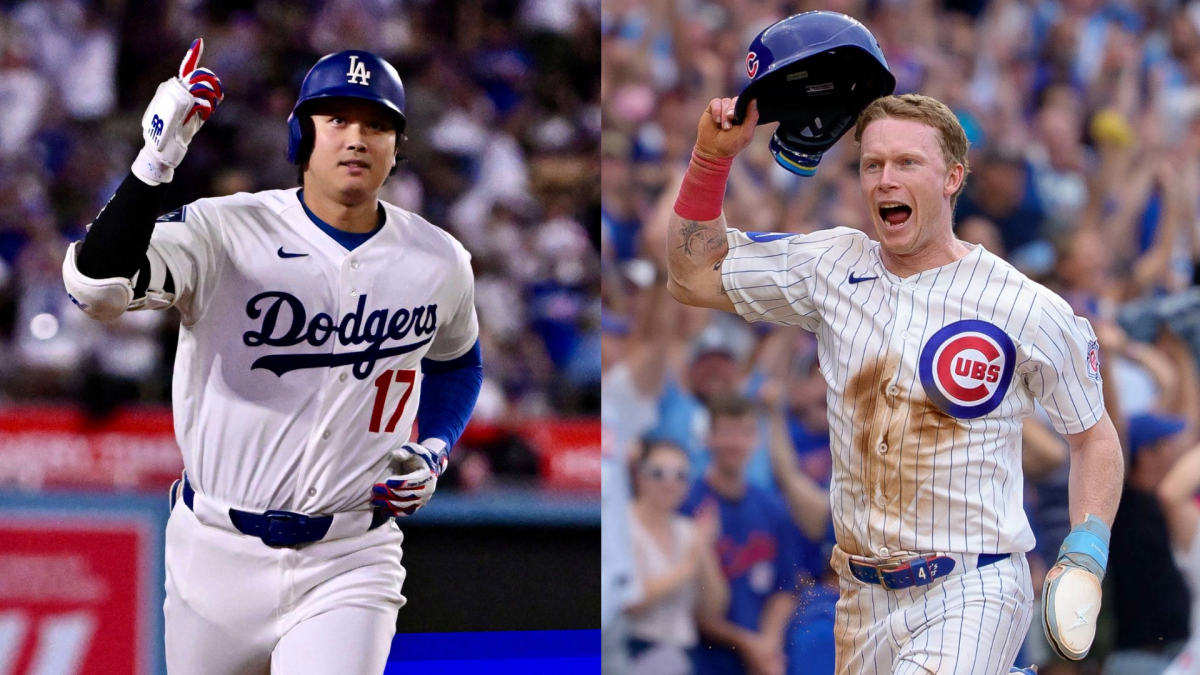
A high-stakes battle for the National League MVP has emerged between the two-way phenom Shohei Ohtani and the defensive powerhouse Pete Crow-Armstrong. While Ohtani brings unprecedented versatility, PCA is dominating the traditional position player metrics.
- Pete Crow-Armstrong holds a significant lead in defense and baserunning metrics.
- Shohei Ohtani's return to pitching is the critical variable in the MVP race.
- Current WAR data favors PCA, but voter psychology and two-way impact remain key factors.
The race for the National League MVP this season has evolved into a fascinating debate: the established brilliance of Shohei Ohtani versus the meteoric rise of Chicago Cubs center fielder Pete Crow-Armstrong (PCA). As August progresses, both players are cementing their legacies in a season where the Dodgers and Cubs are fighting for the best record in baseball.
When analyzing hitting, the gap is surprisingly narrow. Ohtani boasts a .292 average with a 157 OPS+ and 27 home runs. In a mirror image of productivity, PCA posts a .284 average, a 156 OPS+, and an identical 27 home runs. On the offensive side, it is a dead heat, making the secondary metrics the primary battleground.
In baserunning, PCA has established a substantial lead. With 30 stolen bases in 37 attempts and a 4.9 BsR (Baserunning runs above average), he ranks fifth in the NL. Ohtani, while dangerous, has been less aggressive, recording only 7 steals in 10 attempts. However, the real blowout occurs in defense. PCA currently leads the majors in fielding run value and defensive WAR, arguably making him the most impactful defensive player in the game today.
Why This Matters
BozokMedia analysis shows that this race is a clash of philosophies. If we value the 'complete' position player, PCA is the clear winner. However, the essence of Ohtani's value lies in his identity as a two-way player. Without his pitching, the conversation shifts entirely; with it, he becomes a statistical anomaly that defies traditional MVP comparisons.
"Pitching is exponentially more impactful on a per-inning basis than any other role in baseball; Ohtani's presence on the mound is the ultimate tie-breaker."
The crux of the argument now rests on Ohtani's throwing program. While he has been dominant in his limited 85⅔ innings (1.79 ERA), he is far from qualifying for the ERA title. Manager Dave Roberts has indicated that any innings Ohtani provides are 'bonuses,' but for MVP voters, those bonuses might be the difference between a fifth trophy and a loss.
| Metric (bWAR) | Pete Crow-Armstrong | Shohei Ohtani |
|---|---|---|
| bWAR Value | 7.5 | 6.4 |
| fWAR Value | 8.0 | 6.7 |
| Home Runs | 27 | 27 |
Finally, we must consider 'voter fatigue.' Ohtani has four MVPs; PCA has zero. In close races, voters often lean toward the player who has not yet been honored, potentially giving PCA a psychological edge if the WAR gap remains narrow.
Frequently Asked Questions
1. Is PCA actually more valuable than Ohtani right now?
Based on current WAR (Wins Above Replacement) and defensive contributions, PCA has provided more overall value to his team this season.
2. How does Ohtani's pitching affect the MVP vote?
Because pitching is the most impactful position, even a small number of dominant innings can outweigh a position player's lead in hitting and fielding.