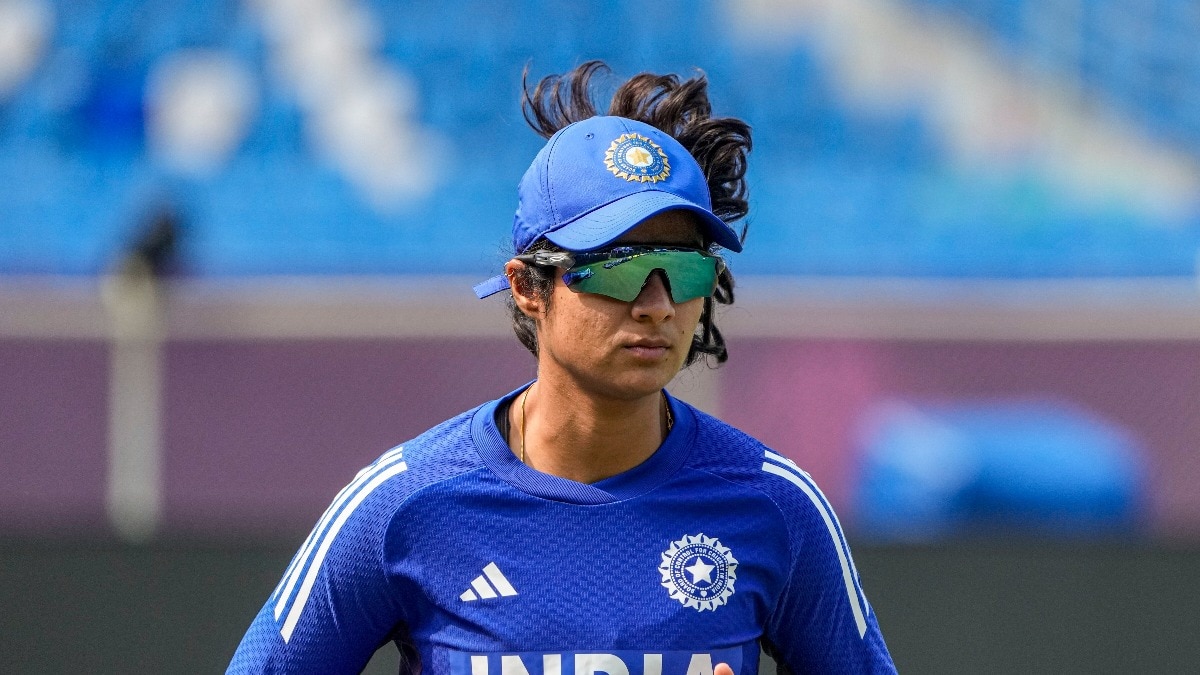
Pratika Rawal examines the curious case of the Indian Women's T20I team's recent tactical shifts. This report analyzes the risks associated with current selection trends and their impact on performance.
- Recent selection shifts in the India Women's T20I squad are viewed as a high-stakes gamble.
- Pratika Rawal highlights the tension between integrating youth and relying on experience.
- Tactical inconsistencies may hinder the team's cohesion in major tournaments.
The Indian Women's T20I team is currently navigating a period of significant transition. According to Pratika Rawal, the management has opted for a series of 'gambles' regarding player selection and on-field tactics that have sparked intense debate among analysts and fans alike.
In the fast-paced environment of T20 internationals, the balance between aggressive batting and disciplined bowling is precarious. The decision to pivot away from established stalwarts in favor of unproven talent is a double-edged sword. While it offers the potential for a dynamic evolution, it risks destabilizing the team's core identity during critical phases of the game.
Why This Matters
BozokMedia analysis shows that the current approach reflects a desperate attempt to emulate the aggressive styles of dominant teams like Australia. However, mimicking a style without building the underlying infrastructure of consistency can lead to erratic performance streaks.
"Risk-taking is a prerequisite for growth in sports, but calculated risks are the only ones that yield sustainable success."
Historically, the Indian Women's side has relied on a conservative approach, focusing on steady accumulation of runs. However, the global landscape of women's cricket has shifted. The rise of professional leagues has accelerated the skill sets of opponents, forcing India to reconsider its traditional blueprints.
The implications of this 'gamble' extend beyond a few matches. If the current experimental phase pays off, India will enter the next World Cup cycle with a fearless squad. Conversely, if the experiment fails, the team risks losing a generation of confidence and tactical clarity.
Frequently Asked Questions
1. What is the primary concern raised by Pratika Rawal?
The primary concern is the lack of a clear, consistent strategy in the selection and deployment of players in the T20I format.
2. Is this gamble necessary for India's growth?
Many argue it is necessary to keep pace with global standards, while others believe the transition should be more gradual.