The Atlanta Dream has pointed the finger at WNBA security following a controversial incident where fans were ordered to cover up their political t-shirts.
- WNBA security forced fans to cover XX-XY Athletics and pro-transgender shirts.
- The Atlanta Dream team distanced itself from the security decision.
- The WNBA admitted the incident 'should not have happened' but named no responsible party.
A significant controversy has erupted within the professional basketball community. The Atlanta Dream issued a pointed statement on Monday, placing the blame for a recent security incident squarely on the WNBA. The dispute centers on security personnel instructing fans to cover up their clothing during a high-profile game.
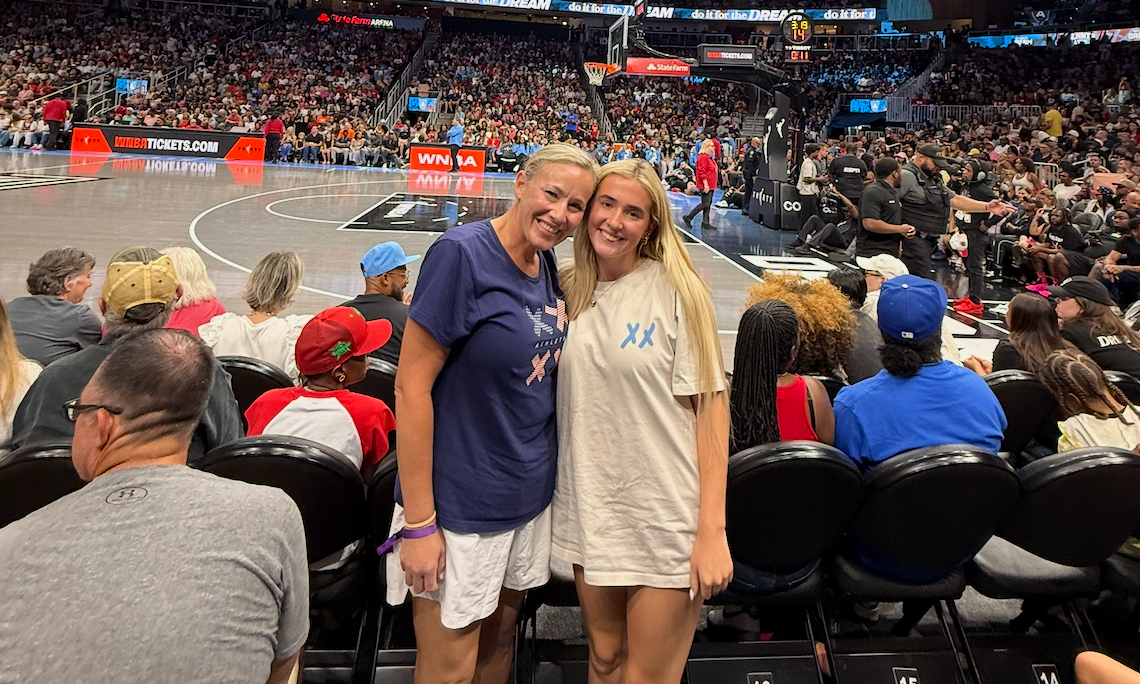
According to reports, at least three fans were confronted by security. Among them were Kasey Thomason and her 17-year-old daughter, Annie, who were wearing shirts from XX-XY Athletics—a brand that advocates for protecting women's sports from biological males. A third fan, wearing a pro-transgender shirt, was also reportedly asked to comply with the directive to cover up.
Why This Matters
BozokMedia analysis shows that this incident transcends simple stadium management; it highlights the growing tension between personal expression and league-mandated inclusivity policies. As sports arenas become battlegrounds for cultural identity, the line between maintaining order and suppressing viewpoints becomes increasingly blurred.
Using security protocols to manage political expression sets a precarious precedent for the future of fan engagement in professional sports.
The Atlanta Dream emphasized that their own personnel were not involved in the decision-making process. In their official statement, the team noted, "Unfortunately, at last night's game, WNBA security took actions that fell short of [our] standard. At no point was Dream personnel involved in the decisions made by WNBA security."
The incident occurred at the State Farm Arena, a venue chosen to accommodate the massive crowd expected for the matchup against Caitlin Clark and the Indiana Fever. The victims reported that the individual confronting them did not resemble standard arena security, instead wearing a professional tan suit.
Historical Background
The intersection of politics and sports attire has a long history, from athlete protests to controversial slogans. In recent years, the debate surrounding biological sex in women's sports has become a central flashpoint, forcing leagues to navigate complex social landscapes while enforcing dress codes.
Frequently Asked Questions
Question 1: Did the WNBA take responsibility?
Answer: The WNBA admitted the incident should not have happened, but they have not identified the specific individual responsible for the decision.
Question 2: What was the content of the shirts in question?
Answer: The shirts included branding from XX-XY Athletics and pro-transgender messages.