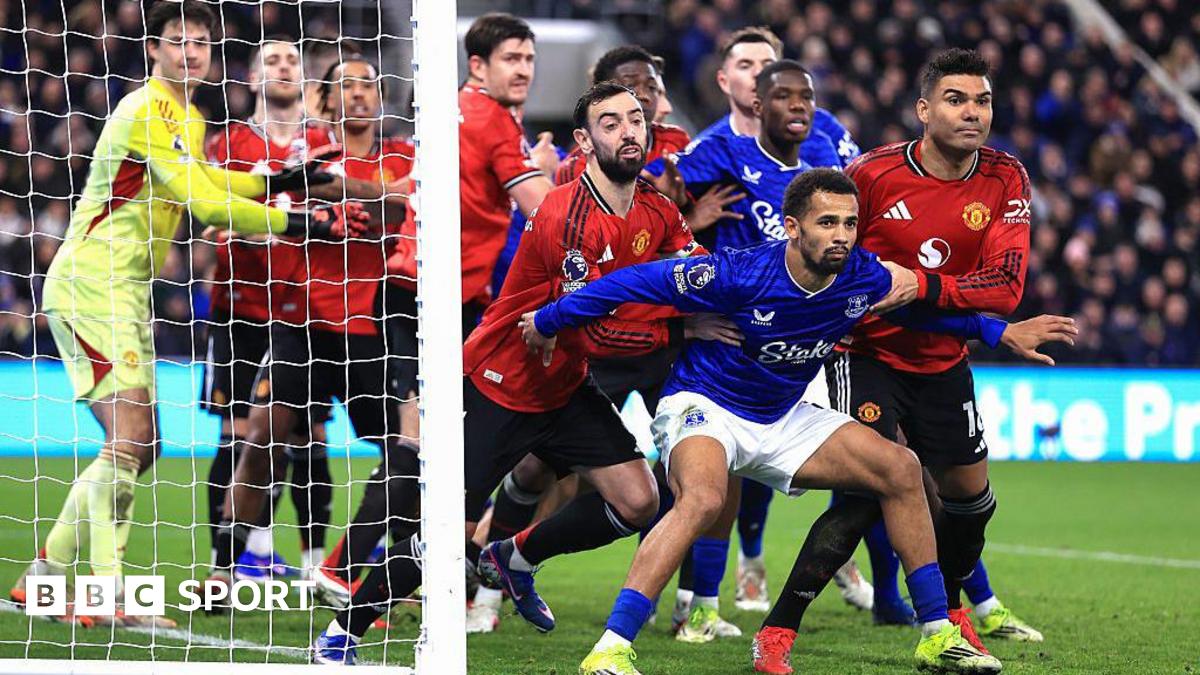
The Premier League is cracking down on non-footballing actions during set-pieces. Referees have been instructed to penalize holding and shoving more strictly this season.
- Referees will focus heavily on 'non-footballing' holding actions during corners and set-pieces.
- Players focusing solely on opponents rather than the ball will face increased scrutiny.
- The goal is to modify player behavior through stricter officiating and fewer warnings.
Last season, the Premier League witnessed an epidemic of holding, pushing, shoving, and grappling inside the penalty area. From Everton's David Moyes criticizing the lack of referee intervention to West Ham's controversial disallowed goal against Arsenal, the frustration among coaches and players was palpable. To address this, the Premier League is entering the new season with a mandate for stronger and stricter officiating.
The core of the new approach isn't a change in the laws of the game, but a significant shift in how player behavior is monitored. Officials, including those in the EFL and Women's Super League, are now instructed to pay closer attention to 'holding actions that have a clear material impact' on the play. This specifically targets players who prevent opponents from playing the ball through non-footballing means.
Why This Matters
BozokMedia analysis shows that the ambiguity surrounding set-piece fouls has led to significant VAR controversies. Last season, 25% of missed VAR interventions involved penalties that weren't awarded when players were wrestled to the ground off the ball. By tightening the scrutiny, the league aims to reduce these high-stakes errors.
"We're trying to get the officials to be as confident as they can be to penalise what they see. Fewer warnings, more actions penalised." - Howard Webb, Premier League Referees' Chief.
Under the new guidelines, certain behaviors will be explicitly targeted for penalties:
- Players focusing entirely on the opponent instead of the ball.
- Making no attempt to challenge for the ball while engaging an opponent.
- Using both arms to hold an opponent.
- Sustained or impactful holding of an opponent or their clothing.
This means a defender whose sole intention is to impede an attacker's movement—without any attempt to play the ball—will likely be penalized. However, Howard Webb has cautioned that the threshold for contact remains high. Simple bumps to a goalkeeper that do not restrict their movement or play will not necessarily result in a penalty.
Frequently Asked Questions
Question 1: Are the actual Laws of the Game changing?
No, the laws remain the same, but the emphasis on penalizing 'non-footballing' actions is being heightened.
Question 2: How are players being prepared for this?
The new refereeing body, Pro Ref, is visiting training grounds to show players clips of incidents that will now be penalized to ensure clarity.