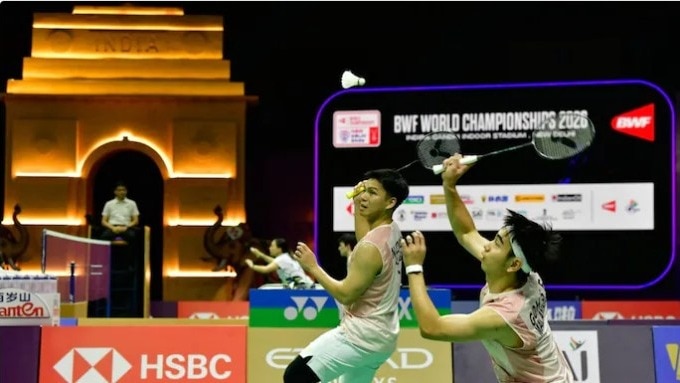
Following the controversies involving birds and monkeys during the India Open, Delhi's Indira Gandhi Indoor Stadium has undergone a massive transformation. The venue is now earning global acclaim during the BWF World Championships 2026.
- Extensive renovations completed in just seven months following the India Open controversy.
- BWF Secretary General Thomas Lund highly commended the rapid turnaround.
- Advanced anti-toxic gel and triple-door systems implemented to prevent bird and animal entry.
- Enhanced facilities for female athletes, including sanitary products, received praise.
The Indira Gandhi Indoor Stadium in Delhi, which faced heavy criticism during the India Open for mismanagement, including the presence of pigeons and monkeys, has completely transformed its image. As the BWF World Championships 2026 unfolds, the venue is being lauded for its world-class cleanliness, security, and athlete facilities.
The contrast between the situation seven months ago and the current state is stark. While players like Mia Blichfeldt had questioned the hygiene standards earlier this year, the current sentiment among international athletes and officials is overwhelmingly positive. BWF Secretary General Thomas Lund expressed his admiration, stating, 'I am deeply impressed by how this venue has been prepared in such a short time. The level of work done is magnificent.'
Why This Matters
BozokMedia analysis shows that the rapid rehabilitation of sports infrastructure is critical for a nation's standing in the global sporting community. The successful turnaround in Delhi demonstrates how proactive feedback loops between international bodies like the BWF and national agencies like the Sports Authority of India (SAI) can drive excellence.
'The level of work done in such a short period is magnificent.' - Thomas Lund, BWF Secretary General
The renovation process was comprehensive. Following a detailed report from the BWF, significant work was carried out on roof waterproofing, electrical upgrades, and restroom renovations. To tackle the persistent issue of birds, an anti-toxic gel system—similar to those used at airports—has been applied to the beams to prevent pigeons from nesting. Additionally, a triple-door system was installed to minimize the entry of animals.
A standout feature of the upgrade is the attention to detail regarding female athletes. Players such as Kirsty Gilmour from Scotland and Johanna Scholt from South Africa have specifically praised the availability of sanitary pads and P-safe sprays in the washrooms. This move highlights a shift toward a more holistic and athlete-centric approach to tournament management.
| Feature | India Open (January) | BWF World Championships (Current) |
|---|---|---|
| Hygiene & Bird Control | Issues with pigeons and birds | Anti-toxic gel & Triple-door system |
| Athlete Facilities | Complaints of mismanagement | World-class and sensitive amenities |
| Security & Animals | Monkeys entering the court | Strict security and local management |
Frequently Asked Questions
Q1: What were the main issues during the India Open?
A1: The primary issues included the intrusion of pigeons and monkeys onto the courts and general hygiene concerns.
Q2: How did the organizers prevent birds from returning?
A2: They implemented an anti-toxic gel system on the beams and installed triple-door entry systems.