Indian youngster Yashasvi Jaiswal used a clever IPL bait to distract Sri Lankan batter Niroshan Dickwella, leading to a crucial dismissal. Expert Paddy Upton explains the science behind this high-stakes sledging.
- Yashasvi Jaiswal baited Dickwella with a promise of an IPL spot.
- The distraction led Dickwella to play a rash shot against Prasidh Krishna.
- Paddy Upton identifies three dynamics of effective sledging.
- The Indian team has shifted from being overly respectful to highly aggressive.
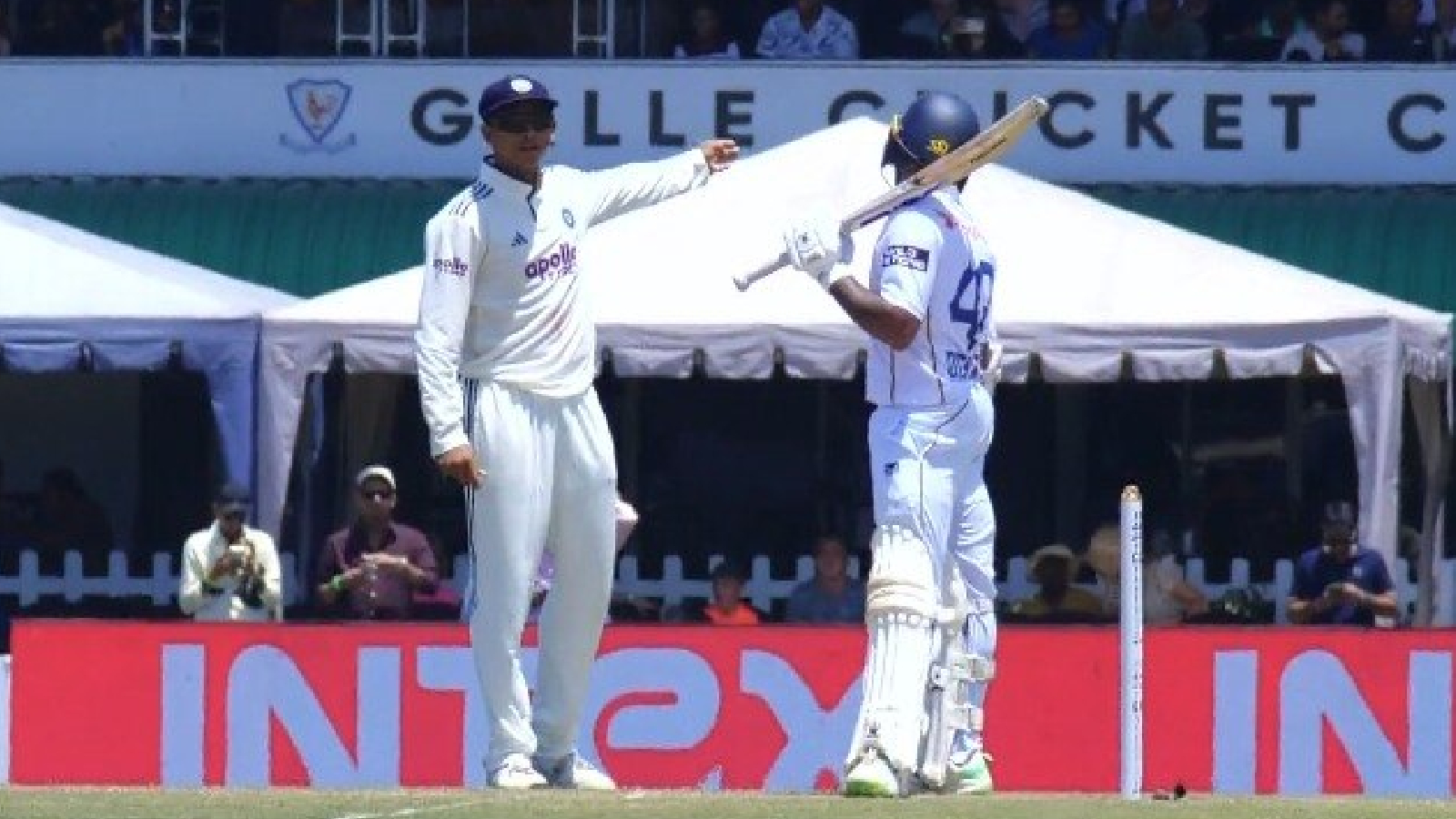
In the high-pressure environment of Test cricket, a single moment of distraction can alter the course of a match. During the final day of the Test in Galle, Indian batter Yashasvi Jaiswal demonstrated exactly how mental warfare can be more effective than raw pace. By engaging in a targeted exchange with Sri Lankan batter Niroshan Dickwella, Jaiswal successfully engineered a dismissal that left the crowd stunned.
The IPL Bait: A Tactical Masterclass
As Dickwella walked out to bat amidst a tense situation, the Indian fielders began their psychological assault. Jaiswal, stationed at square leg, initiated a conversation by challenging Dickwella to hit sixes as he had in the first innings. When Dickwella cheekily replied that he would only hit sixes if he were taken to the IPL, Jaiswal didn't miss a beat. He countered, "We will. Hit him for a six, I’ll take you to the IPL."
This seemingly harmless banter worked perfectly. The momentary shift in Dickwella's focus from the bowler to the promise of an IPL contract proved fatal. Immediately following the exchange, Dickwella played an unnecessary, aggressive cut shot against Prasidh Krishna, edging the ball straight to wicketkeeper Rishabh Pant.
The Science of Sledging: Paddy Upton's Insight
Former Indian mental conditioning coach Paddy Upton provided a deep dive into this phenomenon. According to Upton, effective sledging relies on the interplay of three factors: the nature of the comment (silly, clever, or abusive), the persona of the deliverer, and the temperament of the batsman. Test cricket requires intense concentration, specifically during the three seconds when a bowler approaches the crease. Fielders exploit the gaps between deliveries to break this focus.
The purpose of banter is to get the batsman focused on the 'sideshow' rather than the 'main show'—the ball.
BozokMedia Analysis: The Evolution of Indian Aggression
BozokMedia analysis shows that the DNA of the Indian Test team has undergone a seismic shift. In previous eras, legends like Sachin Tendulkar and Rahul Dravid maintained an aura of extreme respect toward opponents. However, the era of Virat Kohli changed the paradigm. Kohli championed the idea that India should no longer be apologetic or play 'small' in front of aggressive teams like Australia.
This aggressive culture has been inherited by the new generation. Players like Shubman Gill and Jaiswal are products of a more worldly-wise, social-media-driven era. They are comfortable with the psychological battles that define modern international cricket. While the older generation prioritized decorum, the new guard prioritizes dominance.
| Era | Primary Mindset | Approach to Opponents |
|---|---|---|
| Classic Era (Tendulkar/Dravid) | Respectful & Disciplined | Maintain decorum and dignity |
| Modern Era (Kohli/Jaiswal) | Aggressive & Competitive | Direct confrontation and mental pressure |
However, Upton warns against the dangers of crossing the line into abuse. While clever banter is a strategic tool, verbal abuse is considered a mark of poor character and immaturity. The most successful players, such as Kohli or Faf du Plessis, actually thrive on pressure, turning aggression into fuel rather than distraction.
Frequently Asked Questions
1. Is sledging considered unsportsmanlike in Test cricket?
Not if it remains within the realm of 'banter.' Clever psychological play is a recognized part of the game, whereas abuse is penalized.
2. Why did Dickwella fall for Jaiswal's comment?
The comment created a 'curiosity gap' and a mental distraction, shifting his focus from the ball's trajectory to the conversation.