Philadelphia clinched a 7‑6 walk‑off win thanks to Alec Bohm’s triple, while Luis Arraez’s arrival has driven the home‑run rate down from 45% to 7%. The team now thrives on small‑ball tactics to keep the streak alive.
- Phillies secured their seventh consecutive win with Alec Bohm’s walk‑off triple.
- Home‑run rate fell from 45% to 7% after Luis Arraez joined the lineup.
- 76% of runs are now produced via singles, doubles, sac flies and triples.
Walk‑Off Triple Seals Victory
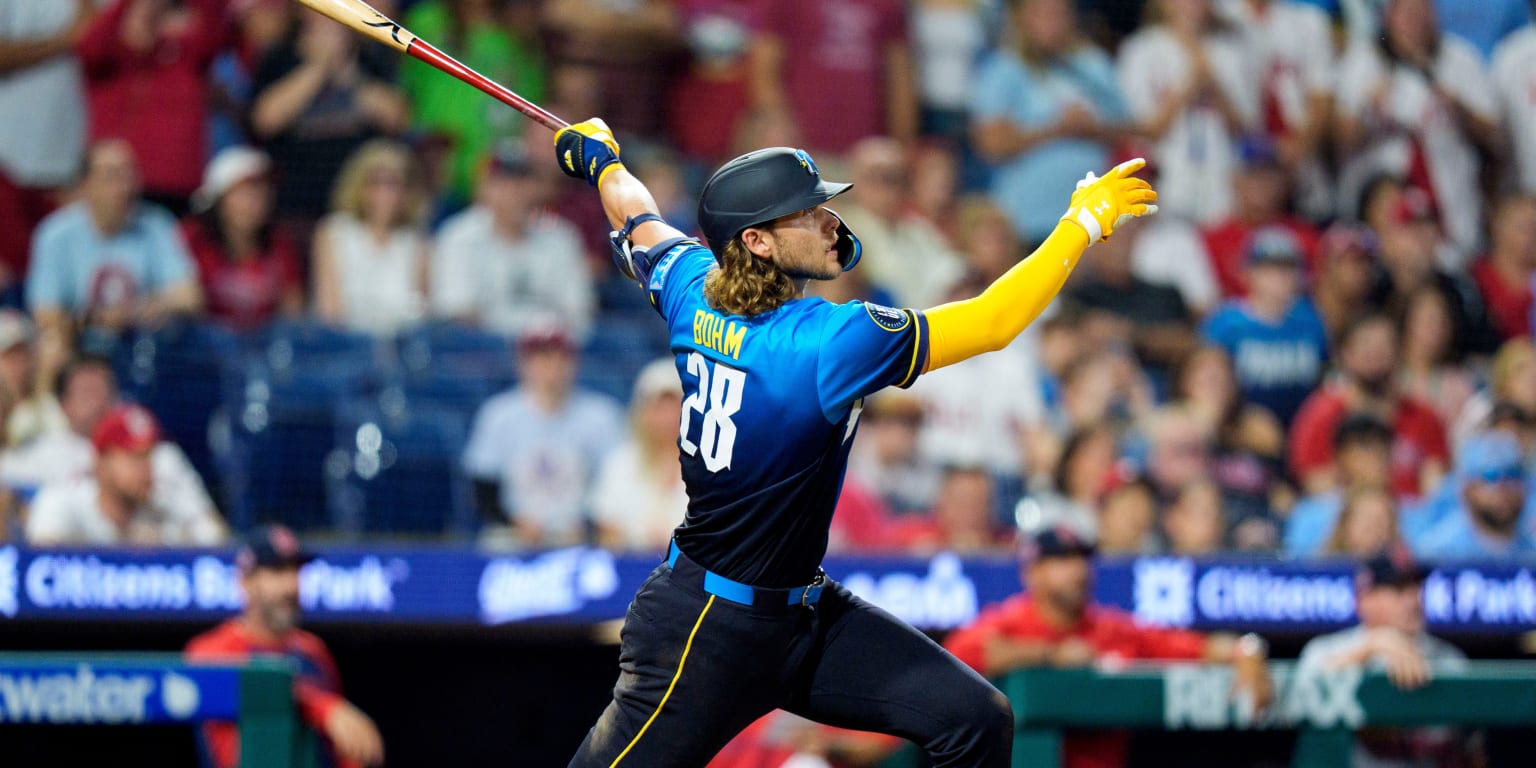
At Citizens Bank Park on Friday night, Alec Bohm drove a two‑run triple into the left‑center gap in the bottom of the 10th, delivering a 7‑6 walk‑off win over the Cardinals. It was Bohm’s first triple of the season, only the ninth of his career, and the Phillies’ first walk‑off triple since J.T. Realmuto’s on Sept. 21, 2021.
Strategic Shift to Small‑Ball
Historically a power‑hitting franchise, the Phillies have dramatically altered their approach since Luis Arraez’s debut on Aug. 4. Prior to his arrival, 45.4% of the team’s runs came via home runs – the fourth‑highest rate in MLB. Since then, only 11 of 151 hits have left the park, a mere 7.3%, the lowest rate across the majors.
Numbers Behind the Change
Despite the drop in long balls, the Phillies now average 5.3 runs per game, up from 4.4 before Aug. 4. They have driven in 76.4% of their runs through means other than the long ball, the highest percentage in MLB since that date. Of the last 22 run‑producing plays, only one was a homer – oddly hit by Arraez himself – while the rest comprised 12 singles, five doubles, two sacrifice flies, one bases‑loaded walk and one triple.
Voices from the Club
Interim manager Don Mattingly noted, “Good at‑bats are how you win in the playoffs from up and down the lineup. Hitting balls into the seats helps, but it’s not a prerequisite for postseason success.” Bohm added, “Everyone’s feeding off each other. We’re extending at‑bats, extending innings, and creating traffic for pitchers.” Pitcher Jesús Luzardo said, “We want to win the division, get a bye, and we know what we need to do to get there.”
Historical Background
For the past five seasons, the Phillies have been defined by power hitting, with roughly one in six hits being a home run (16.1%). That reliance kept them competitive but also made them vulnerable against elite pitching. The recent pivot to contact hitting marks a radical departure from that identity.
Why This Matters
BozokMedia analysis shows that the Phillies’ pivot to small‑ball not only revitalizes their offense but also sets a new template for teams traditionally reliant on power hitting, especially as they approach the postseason where elite pitching dominates.
"The Phillies are proving that contact hitting can replace power in today’s game," said baseball analyst Mike Trout.
Frequently Asked Questions
Question 1: How many home runs have the Phillies hit since August 4?
Answer: Only 11 home runs, accounting for 7.3% of their 151 hits.
Question 2: Can a small‑ball approach succeed in the postseason?
Answer: Experts believe that sustained contact and run‑creation can be effective against top‑tier pitching, making the strategy viable in the playoffs.