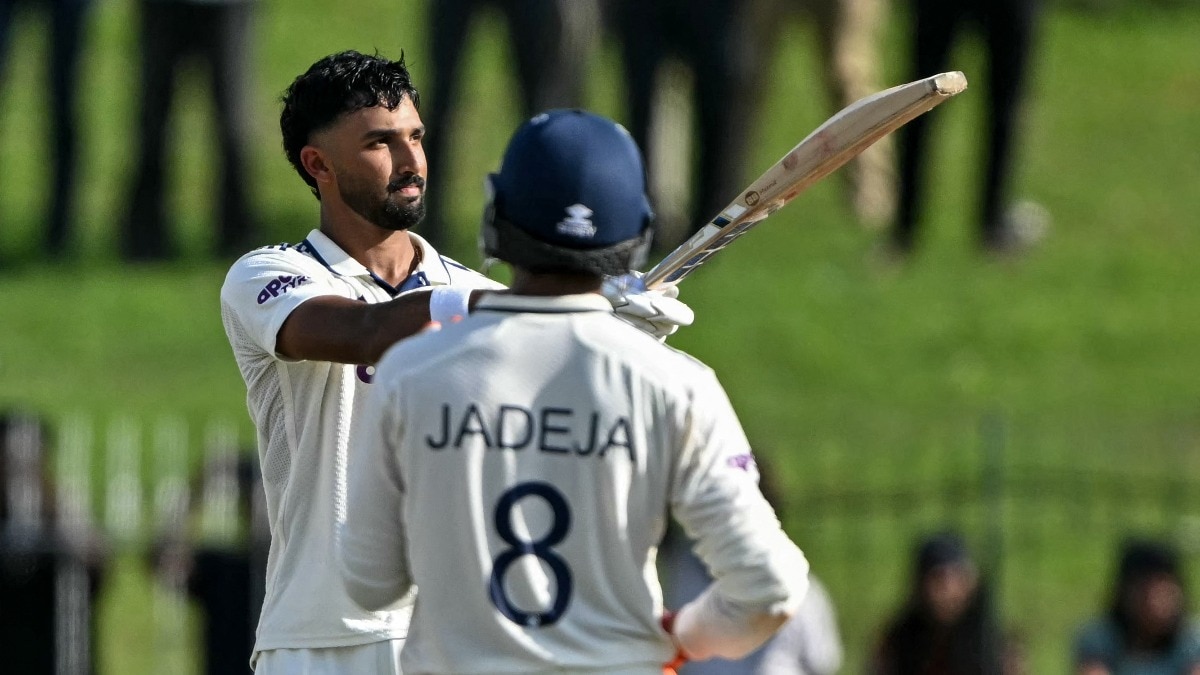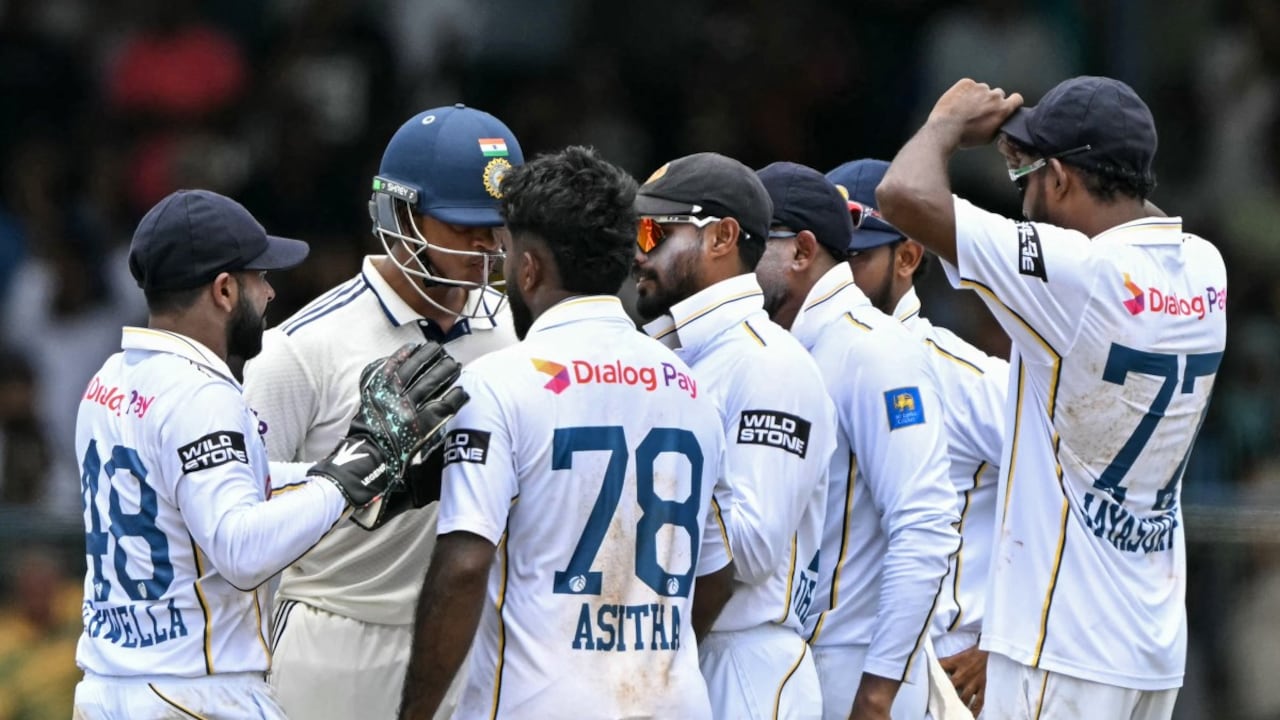
Indian opener Yashasvi Jaiswal faced a heated confrontation with Sri Lankan pacer Asitha Fernando during the second Test in Colombo, raising concerns over potential ICC sanctions due to alleged head contact.
- A heated altercation occurred between Yashasvi Jaiswal and Asitha Fernando.
- Potential 'head contact' during the dispute could trigger ICC disciplinary action.
- The incident occurred on Day 1 of the second Test in Colombo.
The intensity of the second Test match in Colombo reached a boiling point on Day 1 when Indian opener Yashasvi Jaiswal was involved in a volatile confrontation with Sri Lankan speedster Asitha Fernando. What began as a standard cricketing exchange quickly escalated into a heated verbal spat that nearly resulted in physical contact, leaving spectators and officials on high alert.
The core of the controversy lies in the alleged 'head contact' during the altercation. Under the International Cricket Council (ICC) Code of Conduct, any physical aggression or contact that compromises player safety is treated with extreme severity. If the match referee determines that Jaiswal’s actions breached these safety protocols, the consequences could range from heavy fines to a multi-match ban.
Why This Matters
BozokMedia analysis shows that the ICC has been increasingly stringent regarding player conduct and on-field aggression. As cricket moves toward a more regulated era of player safety, incidents involving head contact are no longer viewed as mere 'heated moments' but as serious disciplinary infractions. For a rising star like Jaiswal, such a sanction could significantly impact his momentum and standing in international cricket.
On-field aggression is part of the game, but crossing the line into physical confrontation or safety violations is where the ICC's zero-tolerance policy begins.
The tension between the two sides appeared to stem from the aggressive bowling spells delivered by the Sri Lankan pace attack, which met with equally fierce resistance from the Indian batting lineup. The high-pressure environment of a Test match in Colombo often brings such tempers to the edge.
Historical Background
Historically, the ICC has utilized its disciplinary framework to curb on-field violence. From legendary outbursts to modern-day confrontations, the governing body has consistently prioritized the 'Spirit of Cricket' and player welfare, often issuing lengthy bans to set a precedent for younger players.
Frequently Asked Questions
Question 1: What specific rule might Jaiswal have broken?
Answer: He is under scrutiny for potential 'head contact' and aggressive behavior, which violates ICC safety and conduct codes.
Question 2: Will there be an official announcement regarding the ban?
Answer: An official report from the match referee is required before any formal sanction or ban is announced by the ICC.