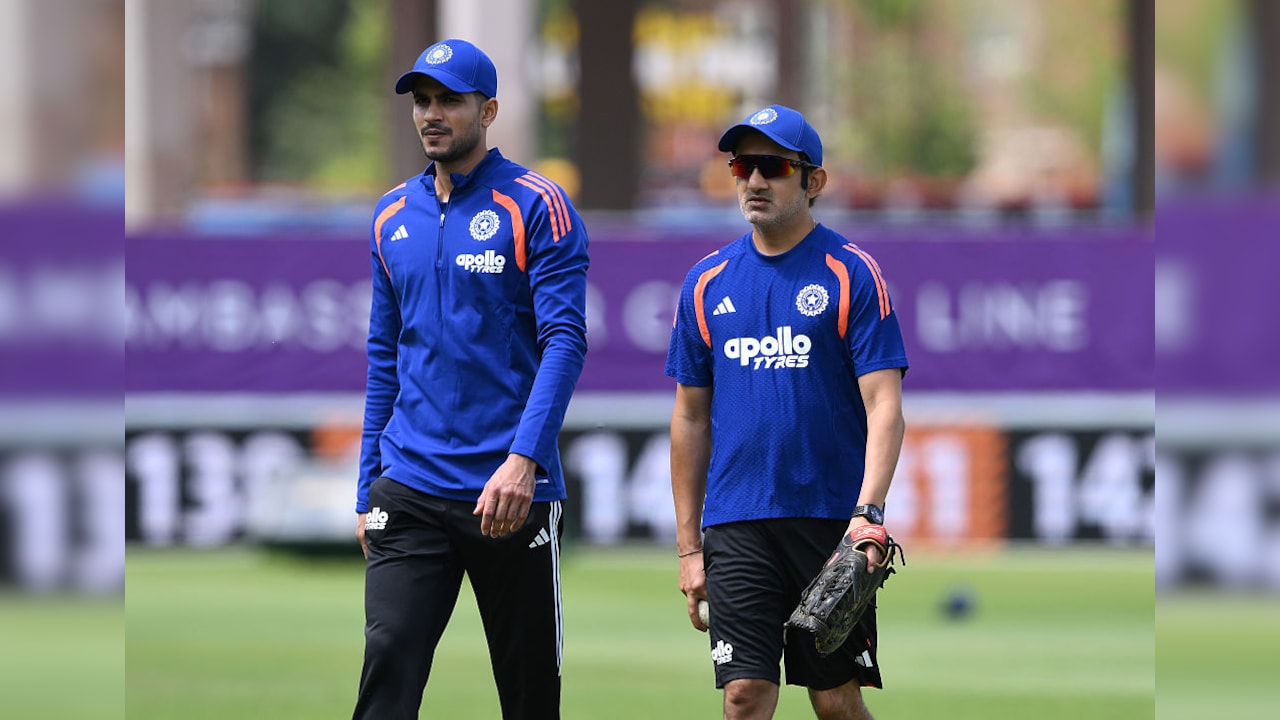
In a major development, Indian team management, led by Gautam Gambhir and Shubman Gill, has reportedly declined to release reserve players for the upcoming Duleep Trophy to focus on national commitments.
- Gautam Gambhir and Shubman Gill have reportedly refused to release reserve players for the Duleep Trophy.
- The decision prioritizes upcoming international series preparations over domestic tournament participation.
- This move reflects a strategic shift in how India manages its bench strength.
The landscape of Indian domestic cricket has been shaken by a significant decision from the top brass. Reports indicate that head coach Gautam Gambhir and star batter Shubman Gill have refused to release the Indian reserve players for the upcoming Duleep Trophy. This move has sent shockwaves through the cricketing fraternity, as the Duleep Trophy is traditionally a vital platform for fringe players to prove their mettle.
The decision appears to be a calculated move by the team management to ensure that the reserve pool remains available for intensive training and preparation for high-stakes international fixtures. By withholding these players from the domestic circuit, the management aims to maintain a controlled environment for skill development and fitness monitoring.
Why This Matters
BozokMedia analysis shows that this decision marks a transition in Indian cricket's philosophy. Instead of allowing players to gain rhythm through domestic tournaments, the management is opting for a more centralized, high-performance approach. This ensures that even the 'second string' players are aligned with the specific tactical requirements of the national side.
The refusal to release reserves highlights a shift toward professionalizing the bench strength to meet international standards.
Historically, the Duleep Trophy has served as a bridge between Ranji Trophy performances and national selection. However, with the increasing density of the international cricket calendar, coaches like Gambhir are prioritizing readiness over domestic exposure. This strategic pivot ensures that when a player is called up to the senior squad, they are already integrated into the national team's ecosystem.
Critics argue that this could potentially weaken the competitive intensity of domestic tournaments. On the other hand, proponents suggest that this is a necessary evolution to prevent player burnout and to ensure that the transition from domestic to international cricket is seamless.
Frequently Asked Questions
Question 1: What is the primary reason for this refusal?
Answer: The primary reason is to prioritize the intensive preparation and tactical alignment of reserve players for upcoming international assignments.
Question 2: How will this affect the Duleep Trophy?
Answer: The absence of high-profile reserve players may impact the overall depth and star power of the tournament.