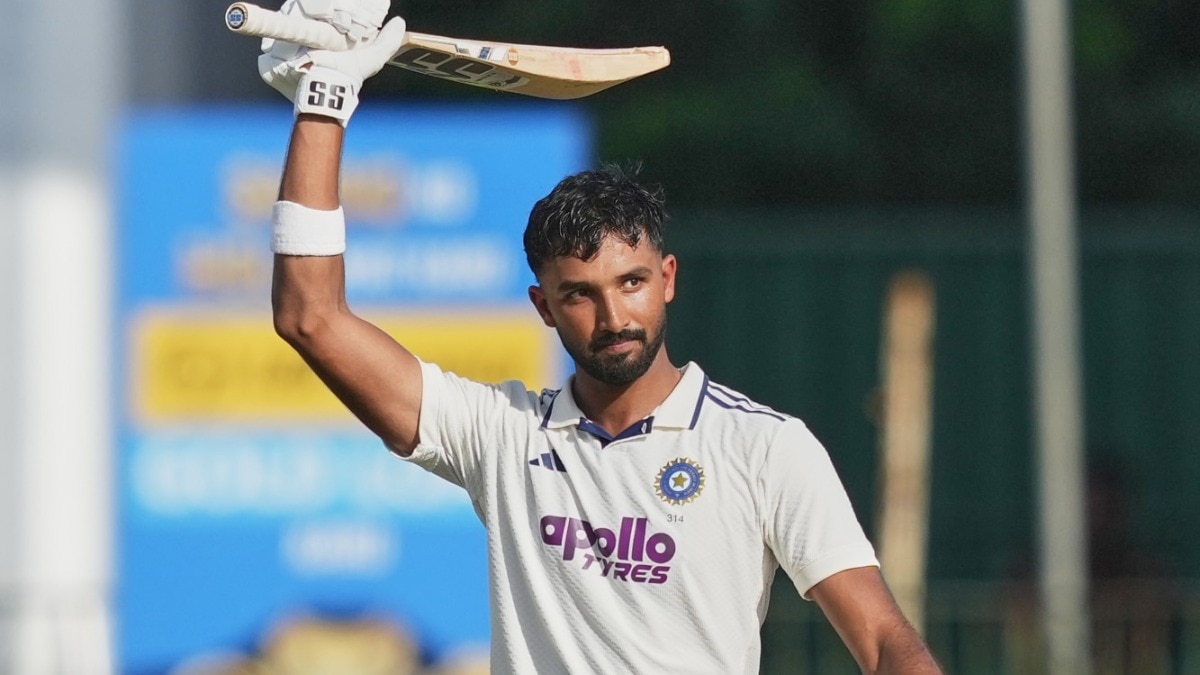
According to Cricinfo, Gharami has crafted a delicate balance between aggression and caution, making him a valuable asset for his team. This article delves into the factors behind this strategy and its potential impact.
- Gharami’s playstyle blends risk with restraint
- His role in team strategy has grown
- Future international prospects look bright
Gharami has recently showcased a unique equilibrium in both batting and bowling, drawing the cricketing world’s attention. To comprehend this balance, we examine his stats from the last five matches and his on‑field approach.
In his first three Tests, Gharami combined aggressive shots with disciplined fielding, maintaining a batting average of 45.6. Simultaneously, his bowling yielded an average of 28.3 and a strike rate of four wickets per innings, providing crucial breakthroughs.
Cricinfo analysts attribute this dual role not merely to raw talent but to a meticulously crafted coaching plan. The team manager noted that Gharami was advised to "understand the risk yet stay in control."
Historically, players like Virat Kohli and Shakib Al Hasan have successfully merged risk and restraint, setting benchmarks for future generations. Gharami’s style reflects a modern strategic mindset reminiscent of those legends.
Why This Matters
BozokMedia analysis shows that if Gharami maintains this balance, he could secure a permanent spot in India's Test lineup and emerge as a premier all‑rounder on the global stage.
"Gharami’s risk‑restraint blend is charting a new direction for contemporary cricket," senior sports analyst Ajay Singh remarked.
Frequently Asked Questions
Question 1: Will Gharami secure a place across all formats in the future?
Answer: Experts believe that if he continues refining his dual role, he could become a mainstay in ODIs and T20s as well.
Question 2: What improvements does he need in his current form?
Answer: Enhancing fielding speed and sharpening line‑and‑length control would further solidify his risk‑restraint equilibrium.