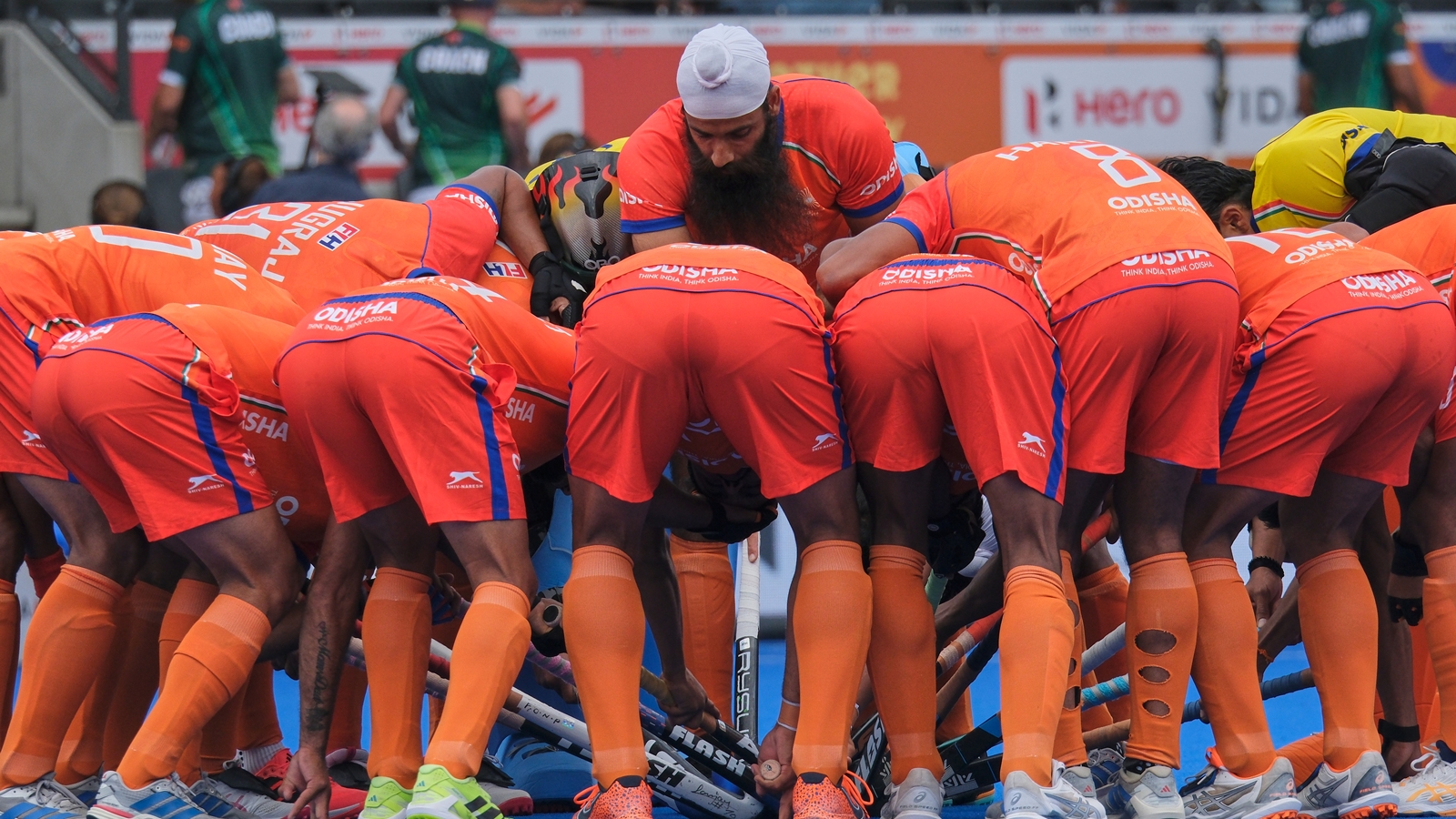
Despite having world-class skill and fitness, the Indian men's hockey team struggles with mental aggression. Analyzing PV Sindhu's transformation offers a blueprint for India's tactical evolution.
- The Indian men's hockey team possesses elite skill and fitness but lacks the willingness to impose themselves physically.
- PV Sindhu's transition from a 'nice' player to a 'ruthless' champion serves as a vital psychological blueprint.
- India consistently struggles against teams like Belgium, Germany, and the Netherlands that turn matches into physical contests.
- Former coach Graham Reid identified 'gentleness' as a significant tactical disadvantage on the field.
The Indian men's hockey team is a paradox of excellence. They possess the technical skill, the physical conditioning, and the vast experience required to dominate the global stage. However, a recurring deficit has emerged in high-stakes matches: a lack of the willingness to impose themselves on the opposition. As the current World Cup unfolds, this vulnerability is once again being exposed.
The Sindhu Blueprint: From Nice to Ruthless
The legendary 5 AM sessions at the Gopichand academy offer a profound lesson. PV Sindhu, one of the greatest athletes in Indian history, was not always the predator she is today. Her coach, Pullela Gopichand, identified that while her technique was flawless, she was too 'nice' on the court. To fix this, he introduced provocation into her training—sparring partners were instructed to attack, shout, and needle her. This forced Sindhu to stop apologizing for her dominance and start embracing her ruthlessness. This psychological shift turned her from a contender into a world champion.
To win at the highest level, players must learn to separate their off-field gentleness from their on-field ferocity.
Why This Matters
BozokMedia analysis shows that a pattern has emerged across major tournaments, from Tokyo 2021 to the current Amsterdam World Cup. When faced with teams like Belgium or the Netherlands—sides that thrive on physical, confrontational, and high-tempo play—India often retreats into a defensive shell. Instead of dictating the rhythm, they allow the opposition to dictate the terms of the engagement, absorbing pressure rather than exerting it.
The Cultural Barrier to Aggression
This is not merely a tactical issue but a psychological one. Former head coach Graham Reid noted that the inherent 'gentleness' of Indian players, while a virtue in society, acts as a handicap on the turf. He famously recounted instances where players were reluctant to take decisive shots in the circle for fear of hitting a teammate. This 'meekness' prevents the team from reaching the level of intensity required to break down elite defenses.
India needs to rediscover the 'Hulk' energy that P.R. Sreejesh brought to the pitch. Sreejesh could be a goofy personality off the field, but on the field, he was a force of nature. As India prepares for crucial matches against teams like Argentina, the mandate is clear: they must find their inner edge and stop being accommodating when the battle gets tough.
Frequently Asked Questions
Question 1: What is the primary difference between playing without fear and playing with aggression?
Answer: Playing without fear means not being intimidated by opponents, whereas playing with aggression means actively dictating the game's tempo and physical presence.
Question 2: How did PV Sindhu change her playing style?
Answer: Under coach Pullela Gopichand, she underwent mental training to embrace ruthlessness and stop being overly apologetic on the court.