A heartwarming gesture of high-fives between Indian and Pakistani hockey players has ignited a fierce debate. Why does the sporting courtesy seen on the hockey pitch vanish when the teams step onto the cricket field?
- Indian and Pakistani hockey players exchanged high-fives before their World Cup clash.
- Journalist Shekhar Gupta questioned why cricket lacks this level of sporting courtesy.
- India defeated Pakistan 5-3 in a high-octane hockey encounter.
- Cricket protocols have shifted toward a 'no-handshake' approach since 2025 due to political tensions.
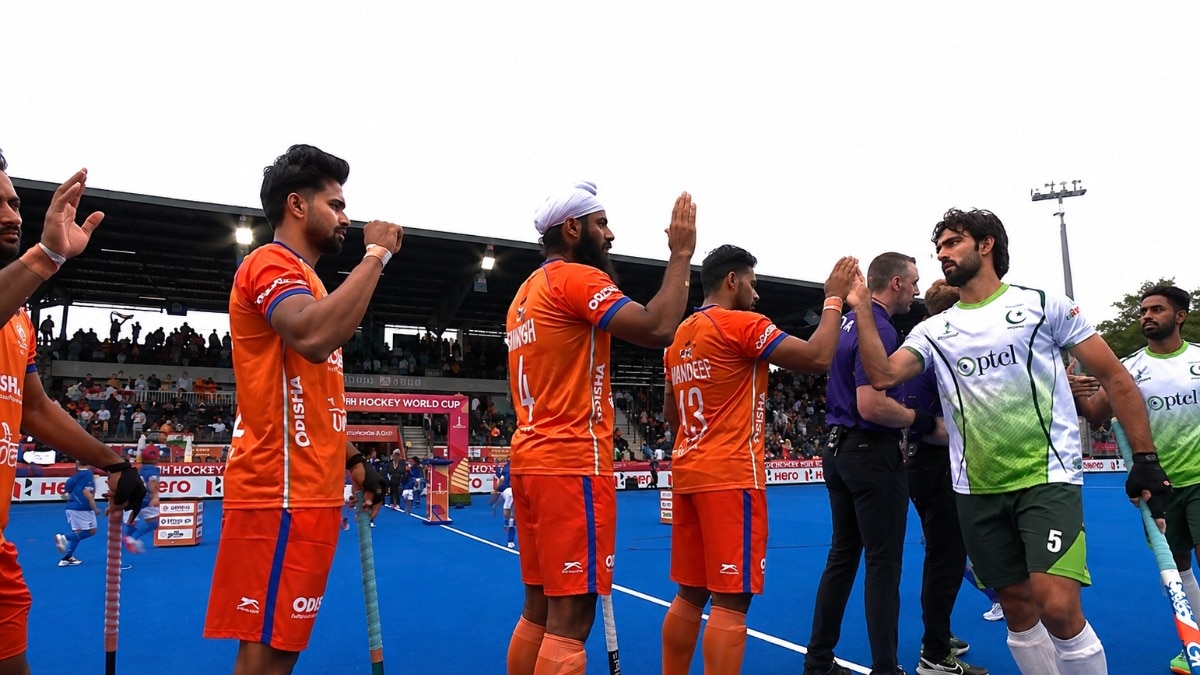
In a moment that transcended the intense rivalry between India and Pakistan, players from both nations exchanged quick, spirited high-fives before their crucial Hockey World Cup clash in Amstelveen. This gesture, aligned with the International Hockey Federation's protocol, has become a focal point for a wider discussion regarding sportsmanship and national identity.
Prominent journalist Shekhar Gupta highlighted this contrast on social media, noting that the hockey rivalry is as old and fierce as cricket, yet the players managed to acknowledge each other with respect. Gupta pointed out that while hockey players are celebrated for this gesture, the cricketing world often views similar interactions through a lens of intense political scrutiny and patriotism.
Why This Matters
BozokMedia analysis shows that the divergence in behavior between these two sports highlights how different sporting cultures manage geopolitical friction. While hockey appears to maintain a professional distance from political tensions on the field, cricket has become an inseparable extension of the socio-political relationship between the two neighbors.
The hockey gesture proves that intense sporting rivalry and mutual respect can coexist even when diplomatic ties are strained.
The contrast is stark when examining cricket. Since 2025, following events like the Pahalgam terror attack and Operation Sindoor, both Indian and Pakistani men's and women's cricket teams have largely avoided the customary post-match handshake. This 'no-handshake' policy has become a symbol of nationalistic stance for many fans, whereas the hockey players' high-fives faced no such backlash.
On the pitch, the hockey match itself was a spectacle. India secured a decisive 5-3 victory over Pakistan, with Harmanpreet Singh and Abhishek each scoring twice. This win was vital for India, though their subsequent loss to the Netherlands has put their semi-final aspirations in jeopardy, requiring a massive win against Argentina in their final pool match.
| Feature | Hockey Rivalry | Cricket Rivalry |
|---|---|---|
| Primary Interaction | High-fives/Handshakes | Avoidance of Handshakes |
| Political Influence | Minimal on-field impact | High impact on player conduct |
| Public Reaction | Praised for sportsmanship | Debated via patriotism lens |
Frequently Asked Questions
1. Why did the hockey players high-five instead of shaking hands?
It is a recognized protocol within the International Hockey Federation (FIH) that emphasizes positive sporting conduct.
2. When did the cricket handshake tradition change?
The trend of avoiding handshakes in cricket began around 2025, influenced by heightened political tensions and security concerns.