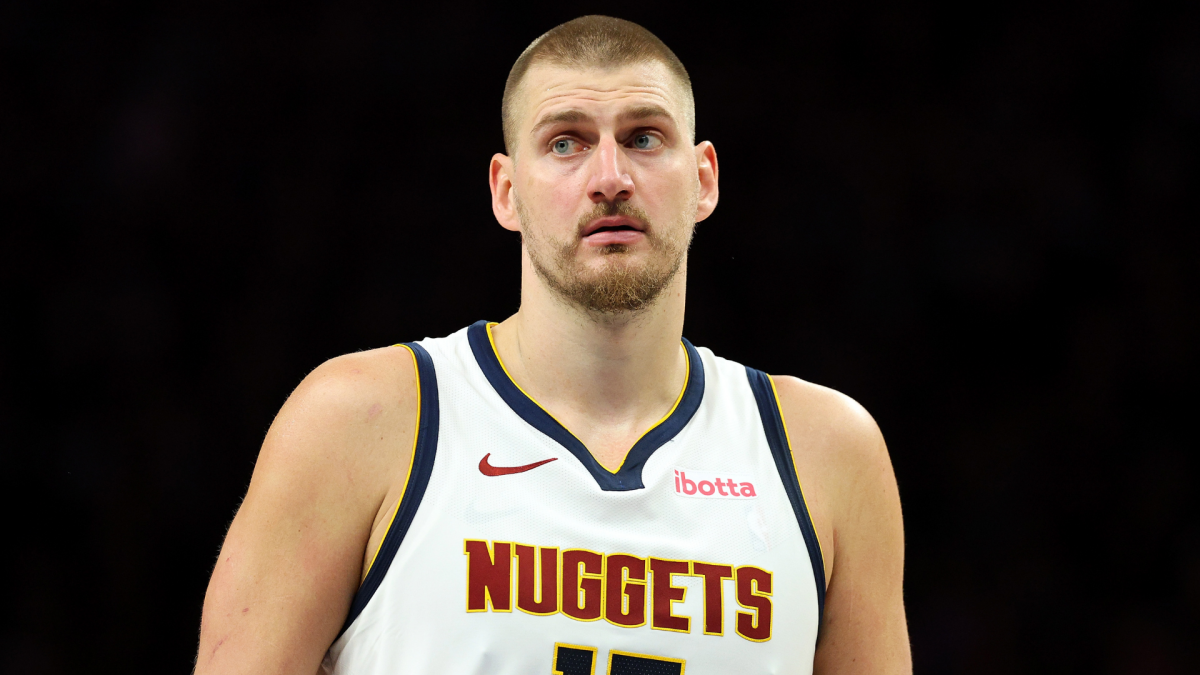
By trading Peyton Watson for draft picks to avoid the luxury tax, the Denver Nuggets are facing intense scrutiny over their ability to build a lasting contender around Nikola Jokić.
- The Denver Nuggets traded Peyton Watson to the Cleveland Cavaliers in an $88 million sign-and-trade.
- The move was primarily driven by the need to stay below the NBA's strict 'second apron' financial threshold.
- The trade yielded draft picks but no immediate player replacements for the Nuggets.
The NBA's complex salary landscape has claimed its latest victim. On Wednesday, the Denver Nuggets executed a strategic but controversial move, shipping Peyton Watson to the Cleveland Cavaliers in an $88 million sign-and-trade deal. While the move provides the Nuggets with Cleveland's 2031 first-round pick and Sacramento's 2032 second-round pick, the lack of an immediate player replacement has sparked intense debate among analysts and fans alike.
The core motivation behind this decision is clear: avoiding the 'second apron.' This punitive tier of the luxury tax imposes severe roster-building restrictions on high-spending teams. We have seen other franchises, such as the New York Knicks, treat the second apron as a 'suicidal' financial territory. However, for a team with a generational talent like Nikola Jokić, the stakes are significantly higher.
Why This Matters
BozokMedia analysis shows that the Nuggets are struggling with the 'margin replacement' problem. Since their 2023 championship, the roster has been hollowed out by the departures of Bruce Brown, Kentavious Caldwell-Pope, and Michael Porter Jr. The loss of Watson—a young, athletic wing with significant upside—represents a failure to maintain the depth required to compete with rising powers like the Oklahoma City Thunder and the San Antonio Spurs.
Managing a franchise with a superstar of Jokić's caliber is a double-edged sword; every financial decision is viewed through the lens of championship potential.
The Nuggets' front office seems to be prioritizing long-term financial health over immediate roster continuity. By opting not to pay Watson a reasonable starter's salary to stay under the cap, they are betting on future draft picks rather than current talent. This is a stark contrast to the Oklahoma City Thunder model, which has successfully integrated players like Alex Caruso and Isaiah Hartenstein to maintain a perennial contender status.
There is a growing concern that this organizational passivity could alienate their greatest asset. Nikola Jokić is arguably the best player in the world and is set to become a free agent next summer. If the Nuggets continue to cut corners to avoid the luxury tax, they risk entering a period of decline just as their superstar reaches his peak, potentially forcing him to seek a more aggressive contender elsewhere.
Frequently Asked Questions
1. What did the Nuggets get in the Peyton Watson trade?
They received Cleveland's 2031 first-round pick and Sacramento's 2032 second-round pick.
2. Why is the second apron important for the Nuggets?
Staying under the second apron allows the team more flexibility in roster building and avoids massive financial penalties.