Beyond rigorous training and sports science, Japan's badminton stars are finding their edge through a unique tradition of traveling with personal chefs and home-cooked nutrition.
- Japan's badminton contingent travels with a dedicated team of chefs to major tournaments.
- The initiative, supported by Ajinomoto, ensures players receive precise nutrition and comfort food.
- Familiar flavors and timely meals significantly aid in athlete recovery and mental well-being.
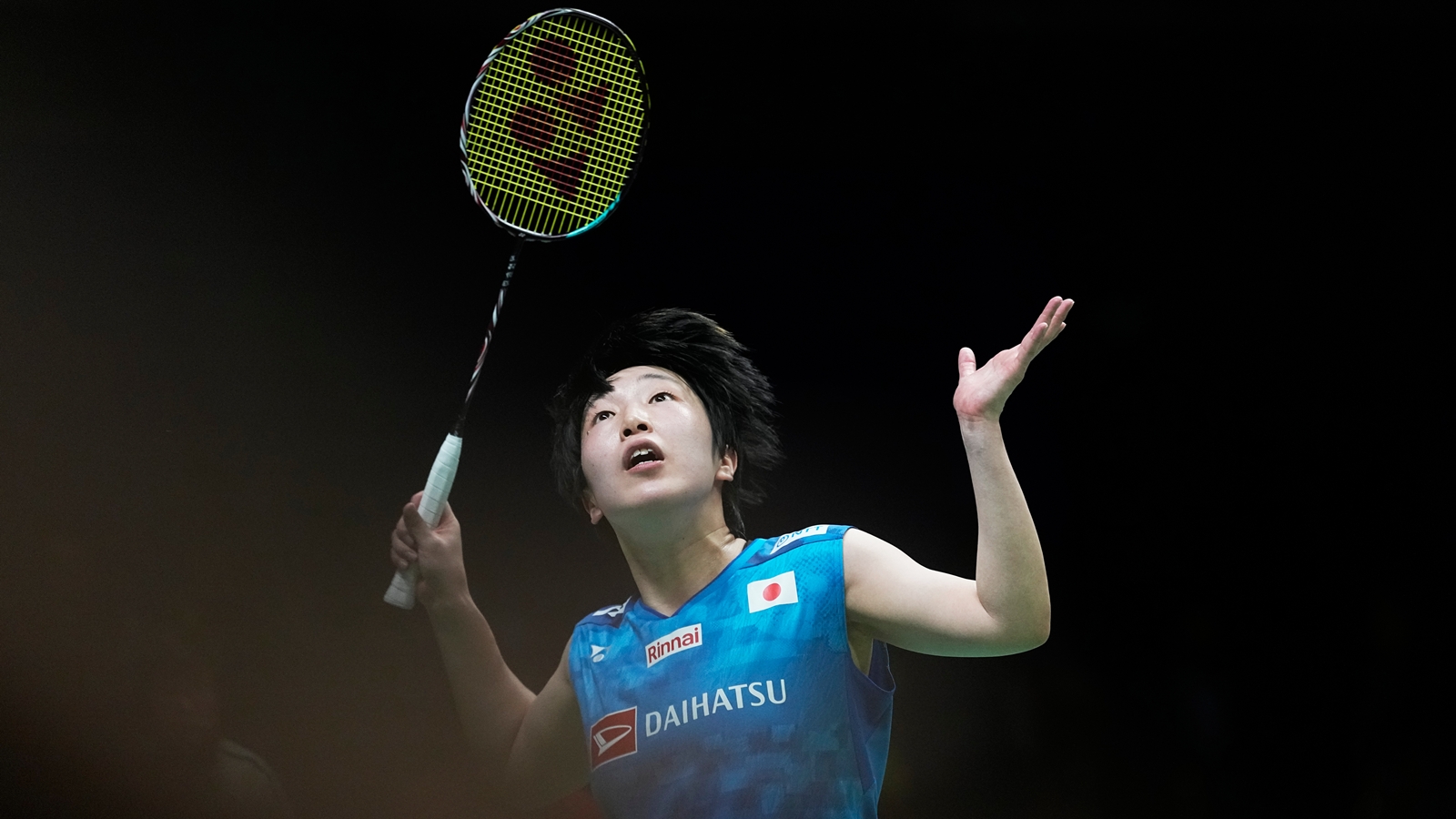
While the world watches the lightning-fast smashes and tactical brilliance of Japanese badminton players, a quieter revolution is happening in their kitchens. At the World Championships in New Delhi, it became evident that the success of stars like Kodai Naraoka and Akane Yamaguchi isn't just built on the court, but also on the nutritional precision of their home-cooked meals. Since 2017, the Japanese contingent has maintained a tradition of traveling with their own chefs to ensure peak performance.
The initiative, spearheaded by the multinational food brand Ajinomoto, addresses a critical gap in international sports: the lack of consistent, nutrient-dense, and culturally familiar food for traveling athletes. Many players often struggle with the nutritional quality and taste of local cuisines in host countries, which can derail their training and recovery cycles.
Why This Matters
BozokMedia analysis shows that elite athletic performance is a holistic equation involving training, psychology, and metabolic recovery. By providing 'comfort cuisine,' the Japanese federation minimizes the physiological stress caused by dietary changes. This psychological comfort, combined with scientifically balanced meals, creates an optimal environment for high-stakes competition.
Ensuring that nutrition reaches an athlete exactly when their body needs it is as vital as the training itself.
The logistical scale of this operation is immense. A five-member team, consisting of three chefs and two directors, accompanies the players. This team often arrives months in advance to conduct reconnaissance, securing local vendors for utensils and packaging, and setting up makeshift kitchens in locations like Airbnbs near team hotels. They meticulously plan their menus around the players' training schedules.
The Winning Menu
The standard Japanese lunch box is a carefully curated balance of macro and micronutrients. Typically, it includes Japanese white rice, a main dish, a side dish, and miso soup. White rice serves as a primary energy source, while miso soup provides essential nutrients. Akane Yamaguchi emphasized that the timing is just as crucial as the content; the team ensures meals are delivered to hotel rooms even after late-night matches to maintain strict recovery protocols.
Frequently Asked Questions
1. How does home food help athletes?
It provides familiar nutrients and psychological comfort, which aids in faster recovery and reduces stress during international travel.
2. Who manages the food for the Japanese team?
A specialized team of five, including chefs and directors from Ajinomoto, manages the entire culinary operation.