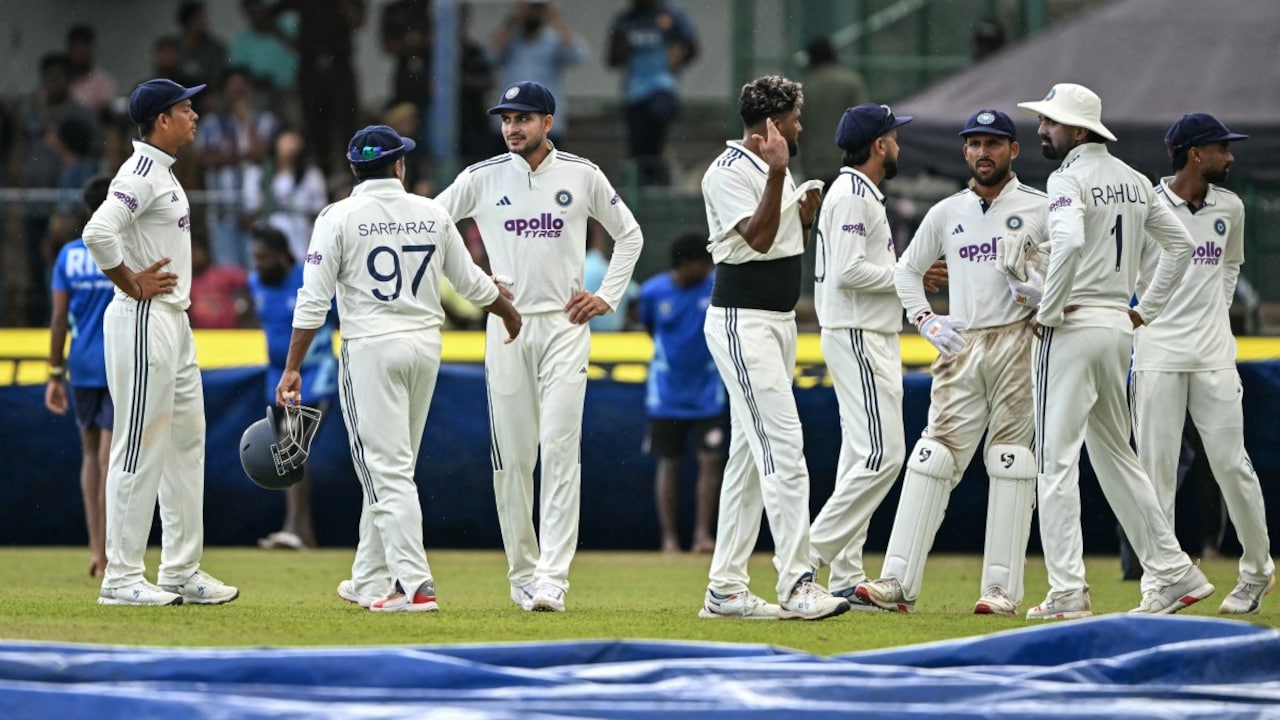
India seeks to capitalize on their bowling momentum to secure a massive first-innings lead over Sri Lanka. However, unpredictable weather conditions loom as a potential game-changer on Day 3.
- India focuses on maximizing the first-innings lead to force a follow-on.
- Sri Lankan batters struggle against a disciplined Indian bowling attack.
- Rain forecasts pose a significant threat to the match schedule on Day 3.
As the India vs Sri Lanka 2nd Test enters its third day, the narrative revolves around a battle between India's relentless bowling attack and the fragile batting lineup of the hosts. After a strong start, the Indian side is strategically positioned to put Sri Lanka under immense pressure, aiming to secure a lead substantial enough to enforce the follow-on rule.
The Indian pace and spin battery have displayed exceptional synergy, exploiting the pitch conditions to create consistent breakthroughs. The strategy is clear: maintain a suffocating line and length to prevent Sri Lanka from building any meaningful partnerships, thereby accelerating the path toward a victory.
Why This Matters
BozokMedia analysis shows that the psychological edge currently lies with India. By pushing for a follow-on, India not only secures a mathematical advantage but also breaks the morale of the Sri Lankan squad, which has struggled for consistency in the current series. The ability to dictate the tempo of the game is a hallmark of this Indian side's current form.
"The key to Day 3 will be how India manages the overs if rain interrupts play; maintaining intensity despite stops is crucial."
Historically, matches between these two neighbors have often been decided by the team that best adapts to the weather. Sri Lanka's home conditions often provide a swing advantage, but the current Indian lineup has shown a level of maturity and adaptability that suggests they can dominate regardless of the overcast skies.
The weather reports indicate a high probability of intermittent showers, which could lead to frustrating delays. For the bowling side, moisture in the air often aids swing, but prolonged rain could lead to a draw—a result India is desperate to avoid in their quest for a series win.
Frequently Asked Questions
What is the follow-on rule?
It allows the team that batted first to force the opposing team to bat a second time immediately if the lead is 200 runs or more.
How does rain affect the pitch?
Rain can increase humidity and moisture, often making the ball swing more, which favors fast bowlers over batsmen.