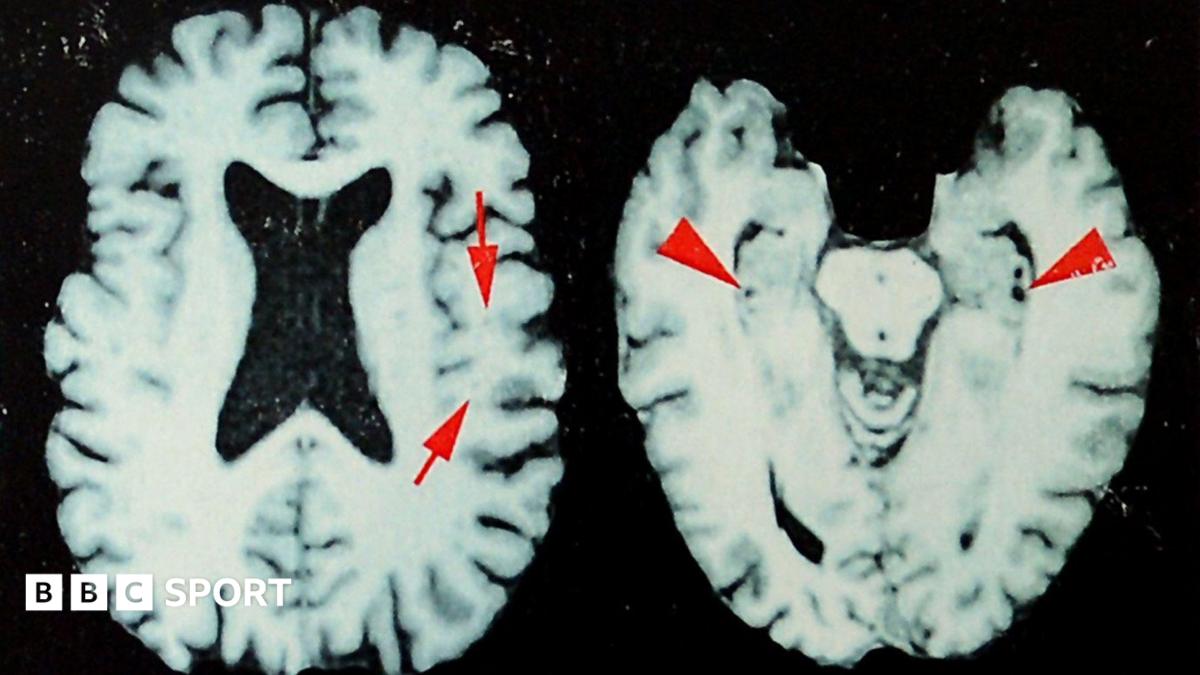
A groundbreaking study indicates that up to 97.7% of deceased NFL players could have suffered from degenerative brain diseases like CTE, far exceeding previous estimates.
- A study of 878 former NFL players shows a massive prevalence of brain disease.
- 215 out of 235 donated brains were diagnosed with Chronic Traumatic Encephalopathy (CTE).
- The risk of neurodegenerative death is four times higher in NFL players than the general population.
A startling new study published in the British Medical Journal has sent shockwaves through the sporting world, revealing that the prevalence of brain disease among deceased NFL players is significantly higher than previously understood. Researchers analyzed data from 878 former players who passed away between 2016 and 2021.
The findings are particularly grim regarding brain donors. Out of the 235 players whose brains were donated for research, 215 were found to have Chronic Traumatic Encephalopathy (CTE). CTE is a progressive degenerative brain disease linked to repeated head impacts, which can currently only be definitively diagnosed post-mortem.
The Cumulative Impact of Head Trauma
Daniel Daneshvar, an associate professor at Harvard Medical School and the study's lead author, emphasized that the damage often begins long before a player reaches the professional ranks. He noted that the majority of traumatic head impacts occur during collegiate, high school, and even youth-level football.
In NFL players, there is about a four times higher rate of death from neurodegenerative disease than the general population.
BozokMedia analysis shows that while the NFL has implemented various safety protocols and reached a $1 billion settlement in 2016 to address these concerns, the sheer scale of the findings suggests that the cumulative effect of repetitive hits remains a massive, unsolved challenge for the league.
Why This Matters
This revelation places immense pressure on sports organizations worldwide to re-evaluate contact sports. The gap between current safety measures and the actual neurological outcomes of athletes suggests a critical need for systemic reform in how contact is managed at all levels of play, from youth leagues to the pros.
Frequently Asked Questions
1. What is the difference between a concussion and CTE?
A concussion is an acute injury, whereas CTE is a long-term, progressive degenerative disease that develops over time due to repeated trauma.
2. Has the NFL responded to these findings?
The NFL states they are committed to player safety and are implementing strategies to reduce head impacts and provide resources for mental well-being.