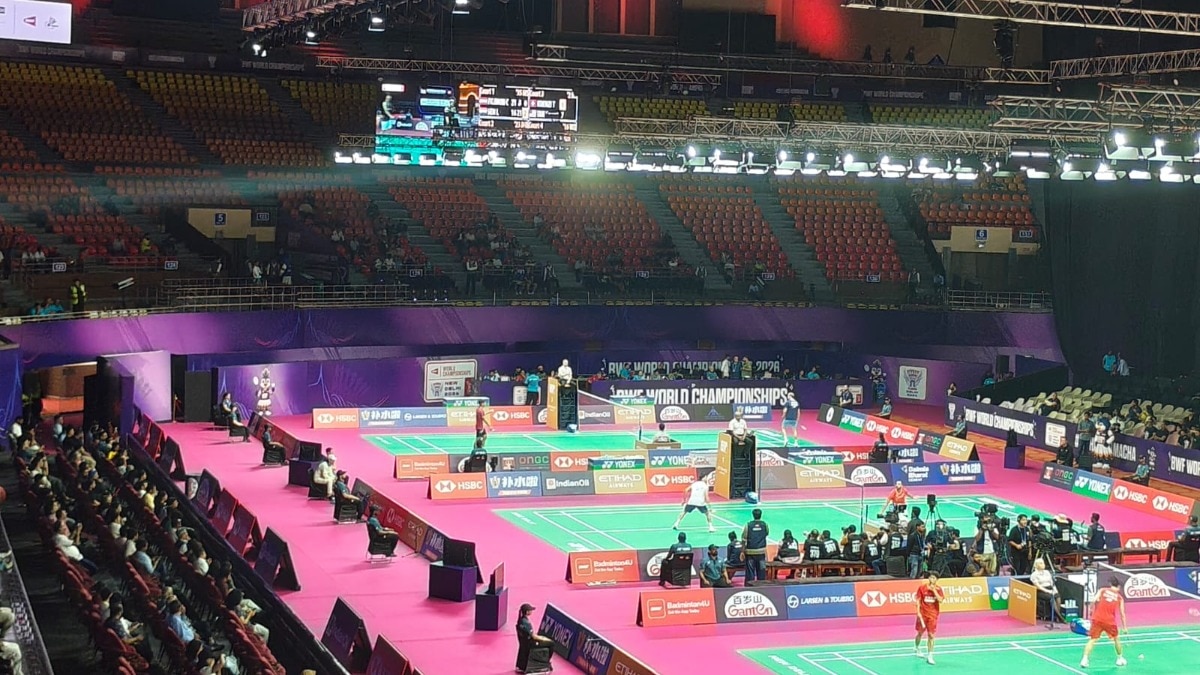
The Badminton World Federation (BWF) is reportedly considering a return to the classic 15-point scoring system. This potential shift comes amid the rapid global expansion of rival racket sports like pickleball and padel, which are attracting younger audiences and commercial investments.
- BWF is considering reverting to the 15-point system to optimize match duration for television.
- The explosive growth of pickleball and padel poses a direct threat to badminton's global market share.
- The current 21-point system, introduced in 2006, is increasingly criticized for producing excessively long matches.
The global badminton community is buzzing with rumors of a major structural change. Reports suggest that the Badminton World Federation (BWF) is seriously considering abandoning its current 21-point rally scoring system in favor of the traditional 15-point format. This potential reversal is not merely a technical tweak; it is a calculated survival strategy in an increasingly crowded sports entertainment market.
Historical Background: Why the Rules Changed in the First Place
Prior to 2006, badminton matches were played under a 15-point system (11 for women's singles) where points could only be scored by the serving side. In an effort to make the sport more television-friendly, predictable in duration, and exciting for casual viewers, the BWF introduced the 21-point rally scoring system. While this initially succeeded in speeding up the game, modern players' elite fitness levels have resulted in extremely long, grueling matches that disrupt television broadcast schedules once again.
The Threat of Pickleball and Padel
In recent years, racket sports like pickleball and padel have experienced unprecedented growth, particularly in North America, Europe, and the Middle East. These alternative sports boast a lower barrier to entry, smaller court sizes, and shorter, highly social gameplay. With massive venture capital flowing into professional pickleball and padel leagues, badminton administrators are feeling the pressure to modernize their product before they lose their younger demographic entirely.
Why This Matters
BozokMedia analysis shows that the modern sports industry is no longer just competing within its own discipline; it is fighting for the finite attention span of Gen Z and millennial audiences. Pickleball and padel are built for the social media era—fast-paced, easy to clip into short videos, and highly accessible. Badminton must adapt its scoring to deliver high-stakes drama in a shorter timeframe, or risk being relegated to the background.
| Feature | Badminton | Pickleball | Padel |
|---|---|---|---|
| Scoring Format | 21 Points (Proposed 15) | 11 or 15 Points | Traditional Tennis Scoring |
| Physical Intensity | Extremely High | Moderate | Moderate to High |
| Global Footprint | Dominant in Asia, established globally | Booming in North America | Exploding in Europe & Latin America |
"Traditional sports must realize that today's audience does not have the patience for two-hour matches. If badminton wants to retain its commercial viability, it must prioritize speed and high-stakes moments."
Frequently Asked Questions
1. Why is the BWF considering a return to the 15-point system?
The primary goal is to shorten match times, making the sport more attractive to broadcasters and keeping the audience engaged with fast-paced, high-intensity action.
2. Are pickleball and padel really a threat to badminton's popularity?
Yes. While badminton remains massive in Asia, the rapid commercialization and accessibility of pickleball and padel in Western markets are diverting youth participation and sponsorship dollars away from traditional racket sports.