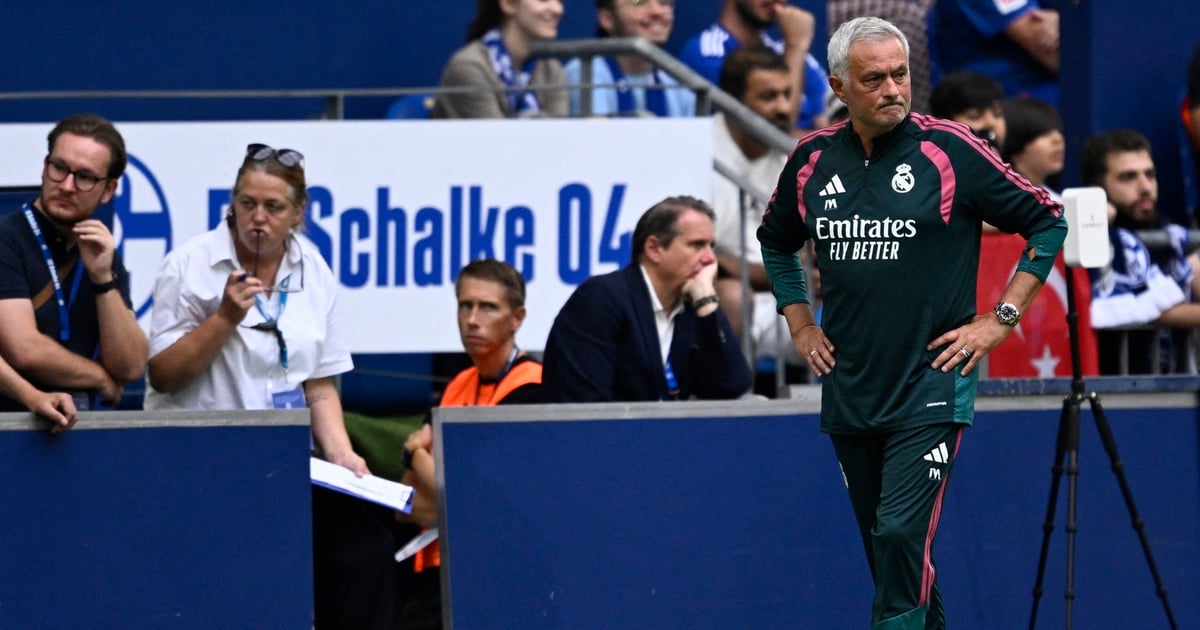
Jose Mourinho's second stint at Real Madrid has begun with a dramatic victory. A last-minute strike by Carlos Espi has ignited debates about whether Mourinho's 'old-school' tactics are the perfect antidote to modern football.
- Jose Mourinho secured a dramatic 2-1 victory for Real Madrid against Espanyol in his recent outing.
- 21-year-old Carlos Espi emerged as the unexpected hero with a 90th-minute winner.
- Tactical shifts include repositioning Jude Bellingham as a traditional 'Number 10'.
- The club's objective is clear: winning every trophy available this season.
All eyes in the footballing world are fixed on one man: Jose Mourinho. His return to Real Madrid after a 13-year hiatus is more than just a homecoming; it represents a fundamental shift in the club's tactical identity. Following a gritty 2-1 win over Espanyol, the 'Special One' has signaled the arrival of his 'Version 2.0', proving that even if the results are hard-fought, the impact is immediate.
The protagonist of this opening chapter was 21-year-old Carlos Espi. Recruited from Levante, the youngster was largely unknown to the global audience until he stepped onto the pitch in the final 10 minutes against Espanyol. His 90th-minute winner didn't just secure three points; it validated Mourinho's belief in the 'old-school' striker—a player whose primary duty is to haunt the opponent's penalty area.
Why This Matters
BozokMedia analysis shows that Mourinho is not merely managing a squad; he is re-engineering it. Despite the massive investments in stars like Kylian Mbappe, Vinicius Junior, and Jude Bellingham, the tactical glue is what will determine success. Mourinho is moving away from the fluid, possession-heavy styles of his predecessors toward a more direct and outcome-oriented approach.
Mourinho's tactical blueprint combines modern athleticism with a classical predatory instinct in the box.
A pivotal element of this transformation is the role of Jude Bellingham. Under previous regimes, Bellingham was often tasked with deeper, more defensive responsibilities (acting as a 6 or 8). Mourinho has liberated him, deploying him as a high-threat 'Number 10'. This shift aims to maximize his goal-scoring threat and creative output, reminiscent of the peak years of legendary playmakers.
Historical Background
When Mourinho first arrived at Chelsea, he revolutionized the Premier League by pairing tactical discipline with powerhouse strikers like Didier Drogba. As he enters this new chapter at the Bernabeu, he finds himself with a squad of immense talent that fits his vision of high-pressure, clinical football. The debate remains: is this 'old-fashioned' style the key to dominance or a relic of the past?
| Attribute | Previous Era (Ancelotti/Xabi) | Mourinho 2.0 Era |
|---|---|---|
| Bellingham Role | Deep-lying/Defensive (6/8) | Attacking Playmaker (10) |
| Striker Profile | Mobile/Technical | Box Presence/Clinical |
| Tactical Focus | Fluid Possession | Direct/Result-Oriented |
Frequently Asked Questions
Question 1: Is Mourinho's style too outdated for modern football?
Answer: Not necessarily. By integrating modern players into traditional tactical roles, he creates a hybrid style that is very difficult to defend against.
Question 2: What is the next big test for Real Madrid?
Answer: Real Madrid faces Real Sociedad next, a crucial test to see if the Espanyol win was a fluke or a trend.
