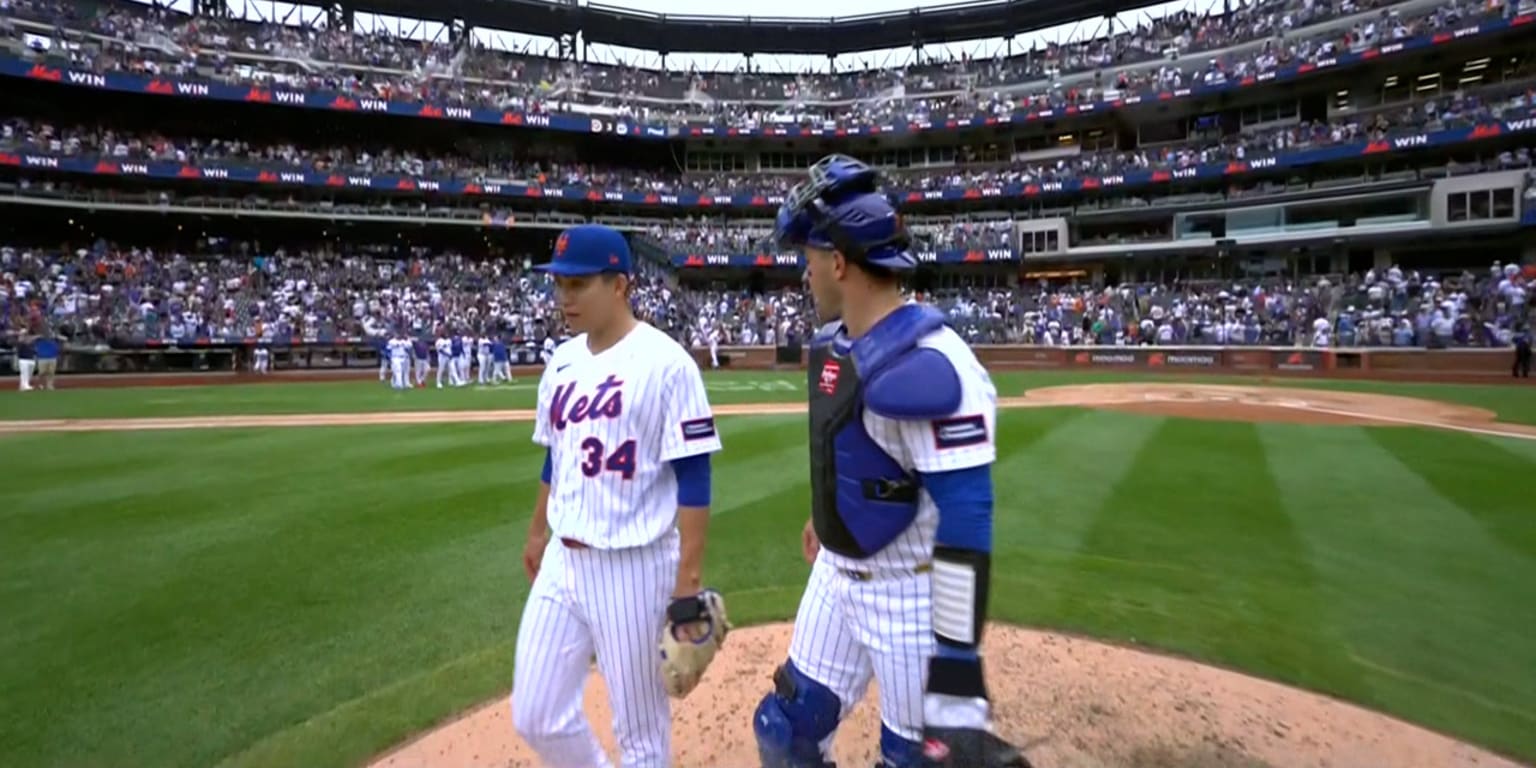
After a disastrous start to the season, Kodai Senga is reinventing himself in the Mets' bullpen. Discover the science behind his 'Ghost Forkball' resurgence.
- Senga transitioned from a struggling starter (9.09 ERA) to a dominant reliever (2.45 ERA in recent outings).
- His success relies heavily on the combination of a high-velocity four-seam fastball and his elite 'Ghost Forkball'.
- The Mets are evaluating this role to determine his long-term value for the 2027 season.
The trajectory of Kodai Senga has taken a turn that few expected. Entering July with a staggering 9.09 ERA and an 0-7 record, the right-hander appeared to be in deep trouble. However, in his recent stints coming out of the bullpen, Senga has looked like a completely different pitcher, sporting a 2.45 ERA across seven games.
The Mechanics of a Resurgence
The question remains: is this sustainable? To understand Senga's shift, one must look at his arsenal. While a starting pitcher needs a diverse six-pitch mix to navigate a lineup multiple times, a one-inning reliever can dominate with just two elite offerings. For Senga, those are his four-seam fastball and his devastating forkball.
BozokMedia analysis shows that since the trade deadline, Senga has relied on these two pitches for nearly 90% of his deliveries. This simplification of his approach has allowed him to maximize his physical tools, specifically his velocity and the movement of his signature pitch.
Senga's profile—a 100 mph arm paired with a nasty forkball—is the ideal blueprint for a late-inning reliever.
Why This Matters
The implications for the New York Mets are significant. Senga's 'Ghost Forkball' holds a Stuff+ rating of 118, making it one of the most unhittable pitches in the league. The efficiency of his role is tied directly to his velocity; when his fastball exceeds 97 mph, opponents struggle significantly, posting a mere .226 batting average.
This experiment is more than just a temporary fix; it is a litmus test for the Mets' roster construction heading into 2027. If Senga can master the command required for relief pitching, he could become one of the most valuable assets in the bullpen.
Frequently Asked Questions
1. What makes Senga's forkball unique?
It is highly rated for its velocity, movement, and release point, making it nearly impossible for hitters to track.
2. How does velocity affect Senga's performance?
There is a massive 216-point gap in wOBA when his fastball is 97 mph or higher compared to slower speeds.