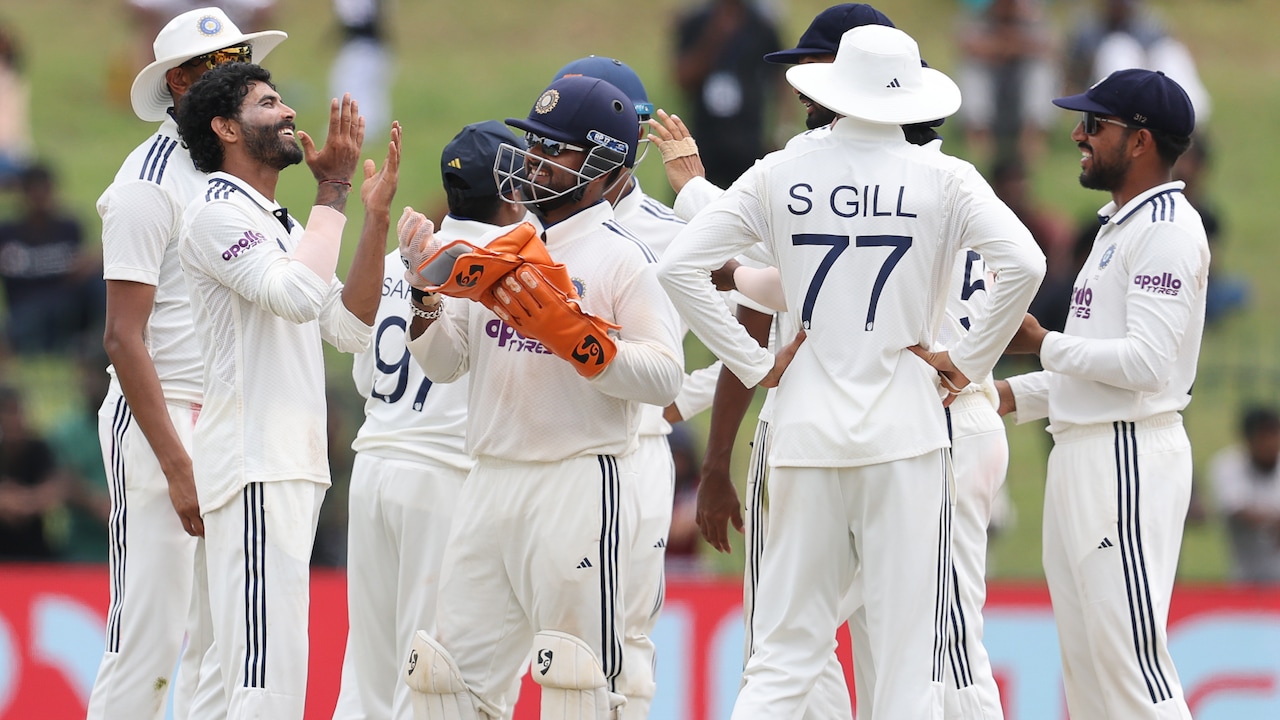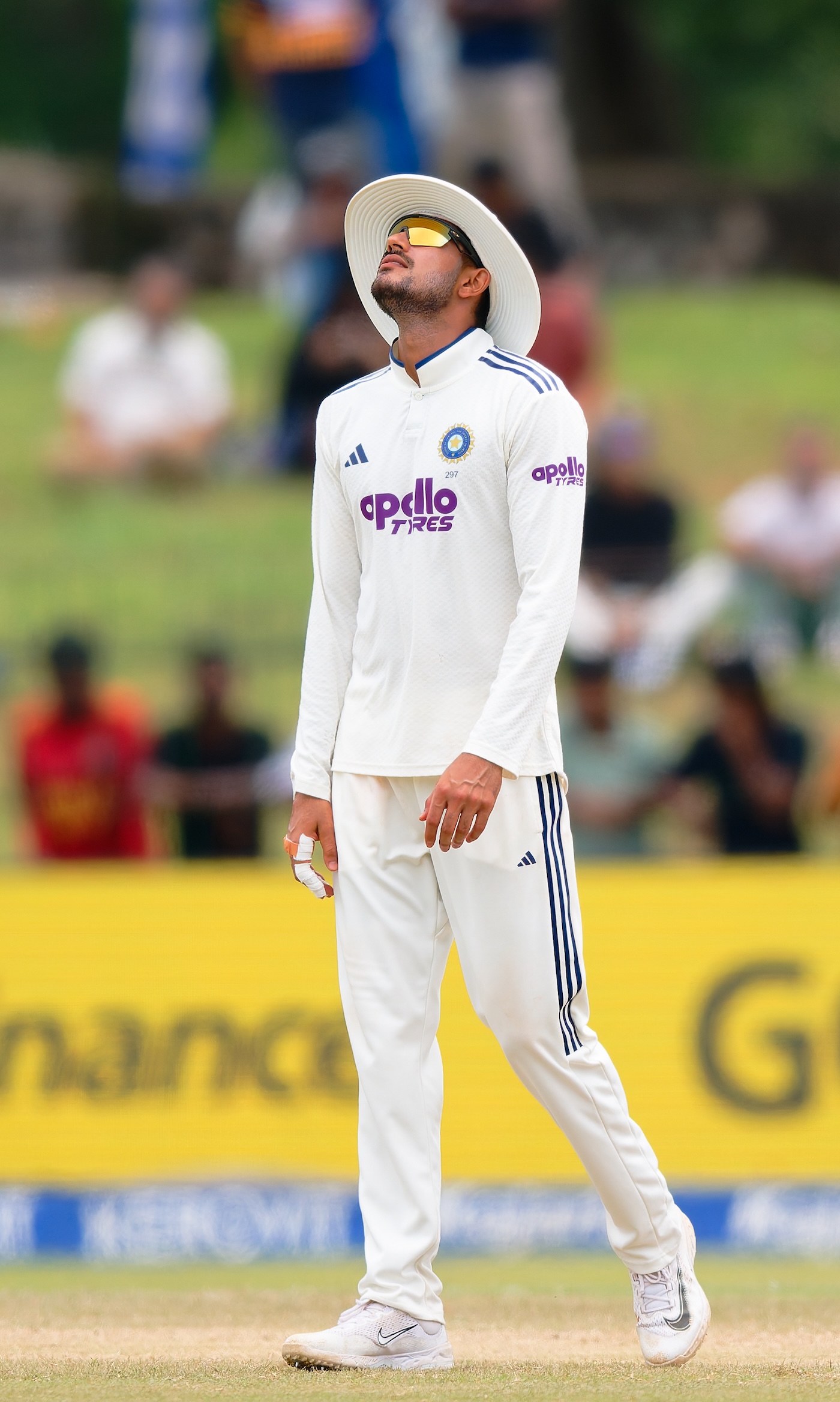
Indian captain Shubman Gill has addressed the criticism surrounding his decision to enforce the follow-on against Sri Lanka, citing weather uncertainty and tactical necessity.
In the aftermath of a dramatic draw against Sri Lanka in Colombo, Indian captain Shubman Gill has stood firm on his tactical decision to enforce the follow-on. Despite needing only four wickets on the final day to secure a clean 2-0 series sweep, India was held to a draw as the pitch failed to provide the expected assistance to their spin attack.
The match statistics reveal a frustrating afternoon for the Indian bowlers. Throughout the entire Test, only four dismissals were via LBW and just two via bowled. This lack of penetration meant that even as the ball turned, the lack of consistent bounce made it nearly impossible to trap batters in front of the stumps or hit the wickets directly.
Why This Matters
BozokMedia analysis shows that this decision reflects India's aggressive shift in the World Test Championship (WTC) era. Unlike previous years where a 1-0 lead might have been protected to ensure a draw, the current points system necessitates aggressive play. Gill's decision highlights the pressure on modern captains to chase wins at all costs to maintain their standing in the global standings.
'We had to take that chance. If we hadn't enforced the follow-on and it had rained, you would have asked why we waited.' - Shubman Gill
Gill elaborated that the primary driver behind the decision was the unpredictable weather in Sri Lanka. Having lost significant time to rain earlier in the series, the team management felt that enforcing the follow-on was the best way to maximize playing time. He noted that while the pitch wasn't 'flat,' the nature of the turn and bounce allowed batters to play a defensive line safely.
This marks the second time in Gill's short captaincy tenure that he has enforced the follow-on. His first instance occurred against the West Indies in Delhi. While critics point to the lack of a decisive result in both instances, Gill argues that hindsight is a luxury captains do not have during the heat of a match.
| Metric | India's Performance | Sri Lanka's Resistance |
|---|---|---|
| Wickets Needed | 4 | 3 taken |
| Primary Dismissal Mode | Catches | None (LBW/Bowled) |
| Series Result | 1-0 (India wins series) | |
Frequently Asked Questions
1. Why did the Indian spinners struggle to take wickets?
The pitch did not deteriorate as expected, and the ball turned slowly with high bounce, making it easier for batters to defend.
2. What is India's next step for the WTC?
India must perform strongly in their upcoming series against New Zealand and their home series against Australia to qualify for the final.