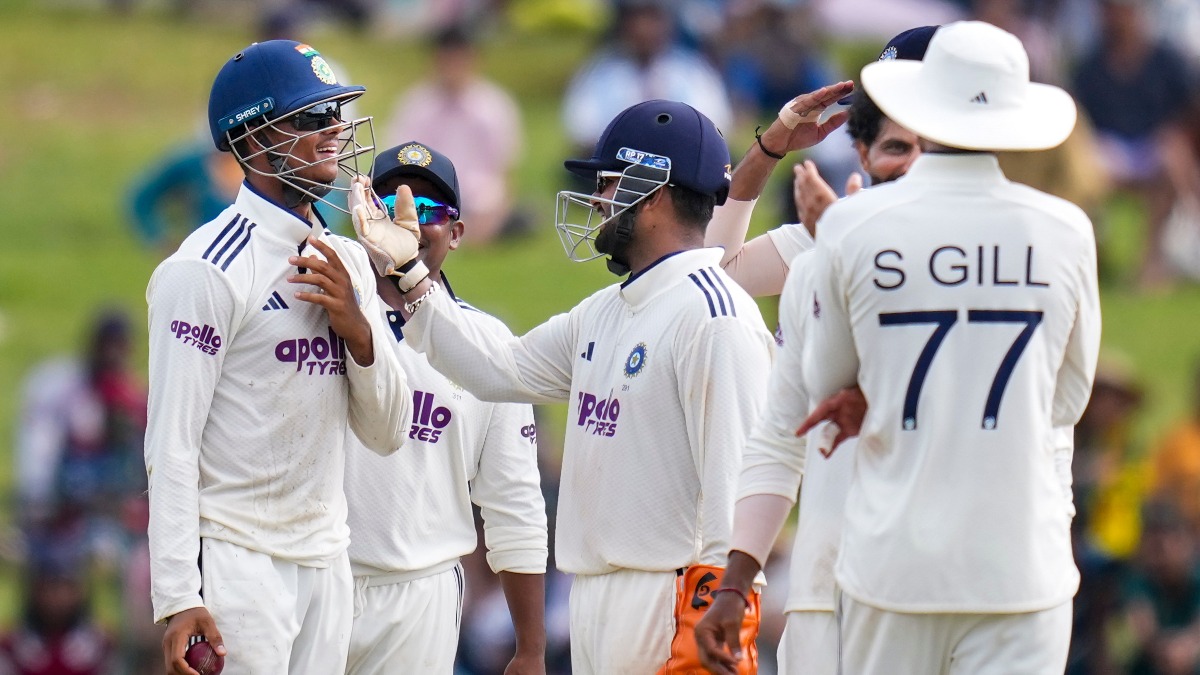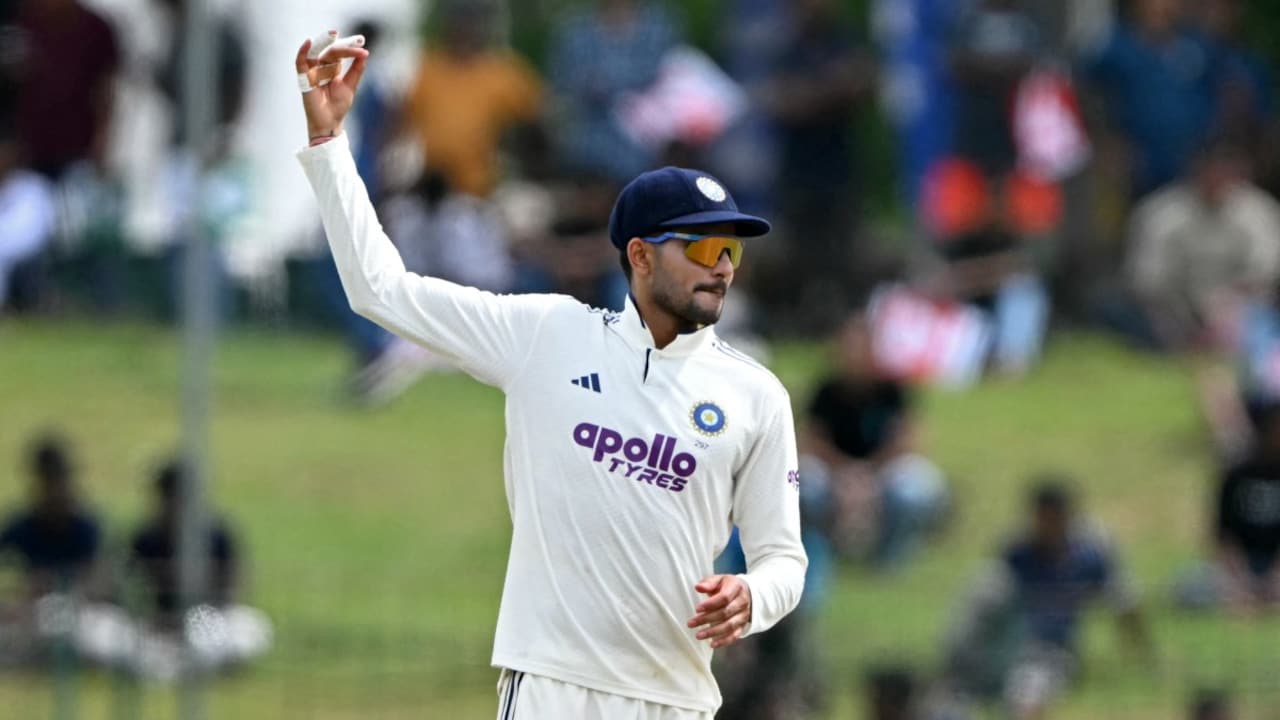
Indian skipper Shubman Gill has addressed the scrutiny surrounding the decision to enforce a follow-on against Sri Lanka, citing weather conditions and team strategy as key factors.
- Shubman Gill defended the follow-on decision in the 2nd Test.
- Weather conditions and team interests were the primary drivers.
- The skipper dismissed claims that the decision backfired on India.
Indian cricket captain Shubman Gill has provided a blunt clarification regarding the strategic decision to impose a follow-on against Sri Lanka during the second Test match. Following the match, questions arose from analysts and fans alike regarding whether the move inadvertently allowed the opposition to stay in the game.
Addressing the debate, Gill stated that the decision was not a tactical error. He emphasized that the call was made after a comprehensive assessment of the local weather patterns and the long-term interests of the Indian cricket team. According to the skipper, the goal was to ensure a controlled victory rather than gambling on unpredictable conditions.
Why This Matters
BozokMedia analysis shows that in modern Test cricket, the 'follow-on' is no longer just a matter of run margins. Captains must now balance psychological pressure against the physical fatigue of their bowlers and the looming threat of rain or deteriorating pitch conditions.
Enforcing the follow-on is a high-stakes gamble that requires balancing immediate dominance with the risk of weather-induced draws.
Historically, the follow-on has been a controversial tool in Test cricket. While it can lead to crushing victories, it can also lead to unexpected collapses if the bowling unit becomes exhausted. Gill's approach suggests a shift toward a more calculated, data-driven style of captaincy that prioritizes stability over aggression when environmental factors are at play.
The series against Sri Lanka has been a testing ground for India's tactical depth. By defending this decision, Gill is signaling that the team management is focused on situational awareness, ensuring that the momentum of the match aligns with the environmental realities of the venue.
Frequently Asked Questions
1. What is a follow-on in cricket?
A follow-on occurs when the team batting second trails the first team by 200 runs or more, allowing the first team to make them bat again immediately.
2. Why did Gill mention the weather?
Weather uncertainty can lead to abandoned play or draws, making the decision to rest bowlers or push for a quick win a complex tactical calculation.