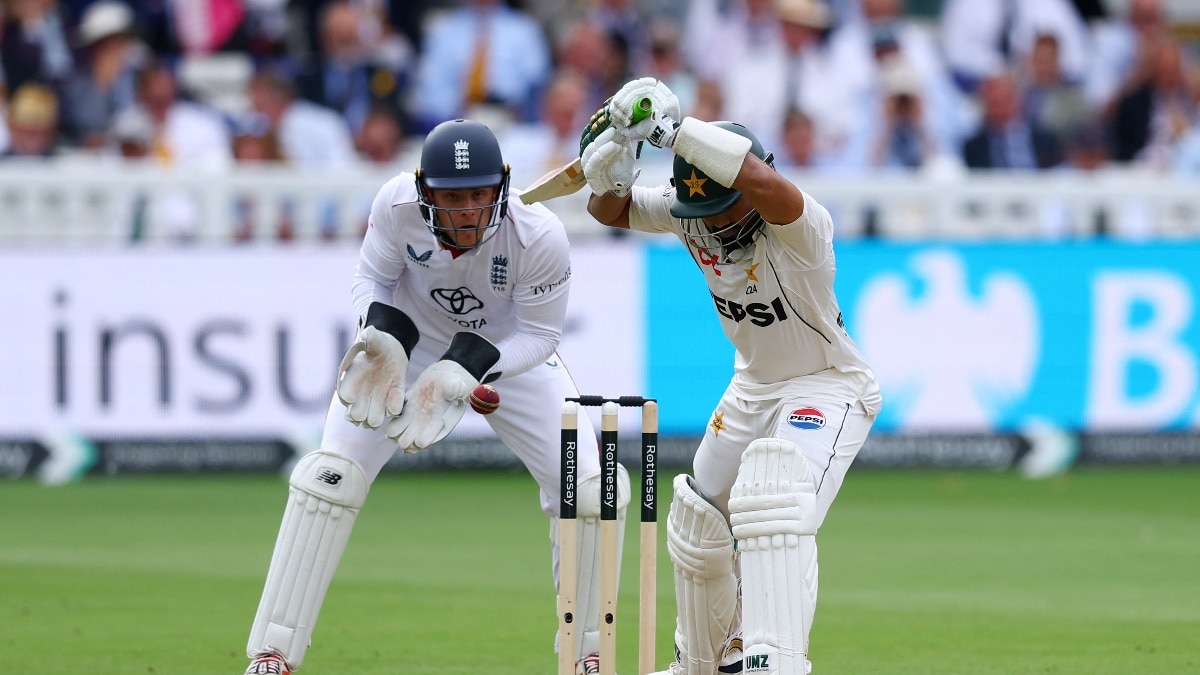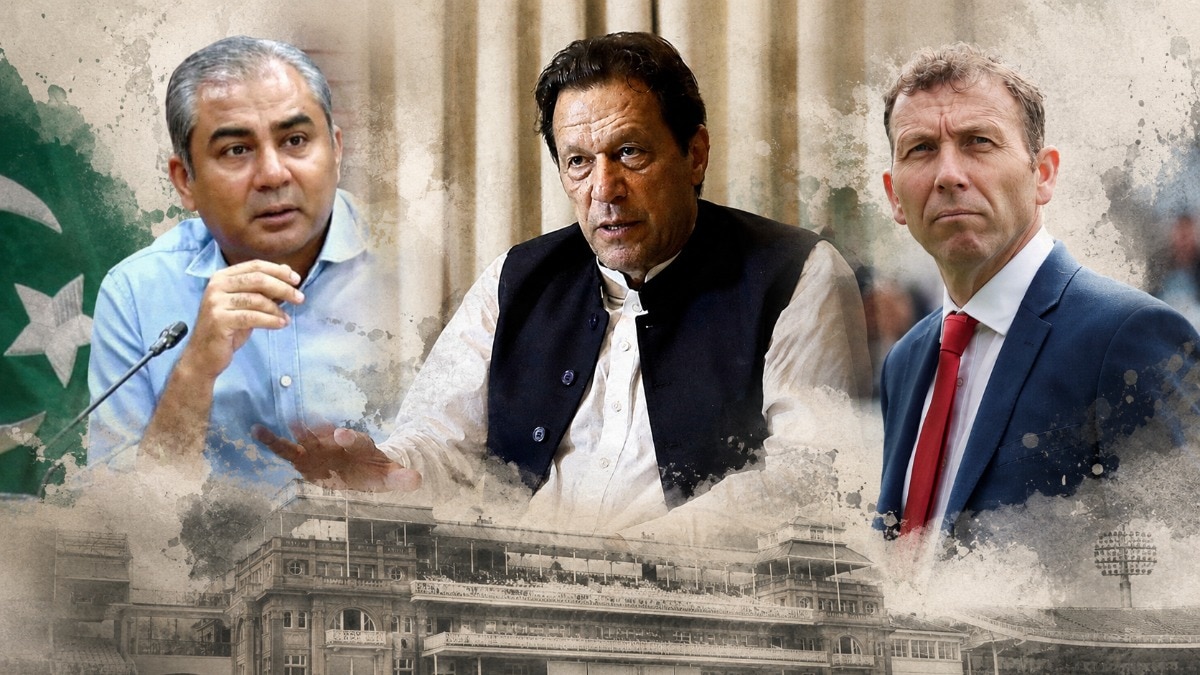
The looming threat of a boycott by Pakistan regarding the upcoming Lord's Test has sent shockwaves through the cricketing world, revealing deep-seated issues within the PCB.
- Pakistan has signaled a potential boycott of the prestigious Lord's Test.
- The tension stems from a controversial interview and internal friction.
- This move could have massive financial and diplomatic implications for the PCB.
The cricketing world is currently on edge as reports emerge regarding a potential boycott of the upcoming Test match at Lord's by the Pakistan team. While the immediate catalyst appears to be a controversial interview, the implications of this threat extend far beyond a single media appearance. It highlights a brewing storm within the Pakistan Cricket Board (PCB) and a widening gap between the players and the administration.
Lord's, widely regarded as the 'Home of Cricket,' is a venue of immense historical and cultural significance. For a team to threaten to skip such a milestone event is unprecedented and suggests that the internal fractures within the camp are reaching a breaking point. This is no longer just about words spoken in a press conference; it is about the very stability of Pakistan's international cricket commitments.
Why This Matters
BozokMedia analysis shows that this standoff is a symptom of chronic mismanagement and a lack of professional communication channels within the PCB. If a boycott occurs, it could lead to severe sanctions from the International Cricket Council (ICC) and jeopardize Pakistan's standing in the global cricketing community.
The threat to boycott Lord's is a high-stakes gamble that could permanently damage the reputation of Pakistan cricket on the world stage.
The financial repercussions cannot be overlooked. Hosting international tours involves complex contracts, broadcasting rights, and sponsorships. A sudden boycott would trigger massive legal battles and financial losses that the PCB may struggle to recover from in the long term.
Historical Background
Pakistan cricket has a long history of volatility, ranging from player strikes in the past to intense political interference in sports administration. While the team has produced legendary talents, the administrative instability has often acted as a ceiling to their consistent success on the global stage.
Frequently Asked Questions
1. What triggered the boycott threat?
While a specific interview sparked the debate, the underlying cause is a deep-seated conflict between players and the PCB leadership.
2. What are the consequences of a boycott?
A boycott could lead to ICC penalties, loss of revenue, and a damaged relationship with host nations like England.