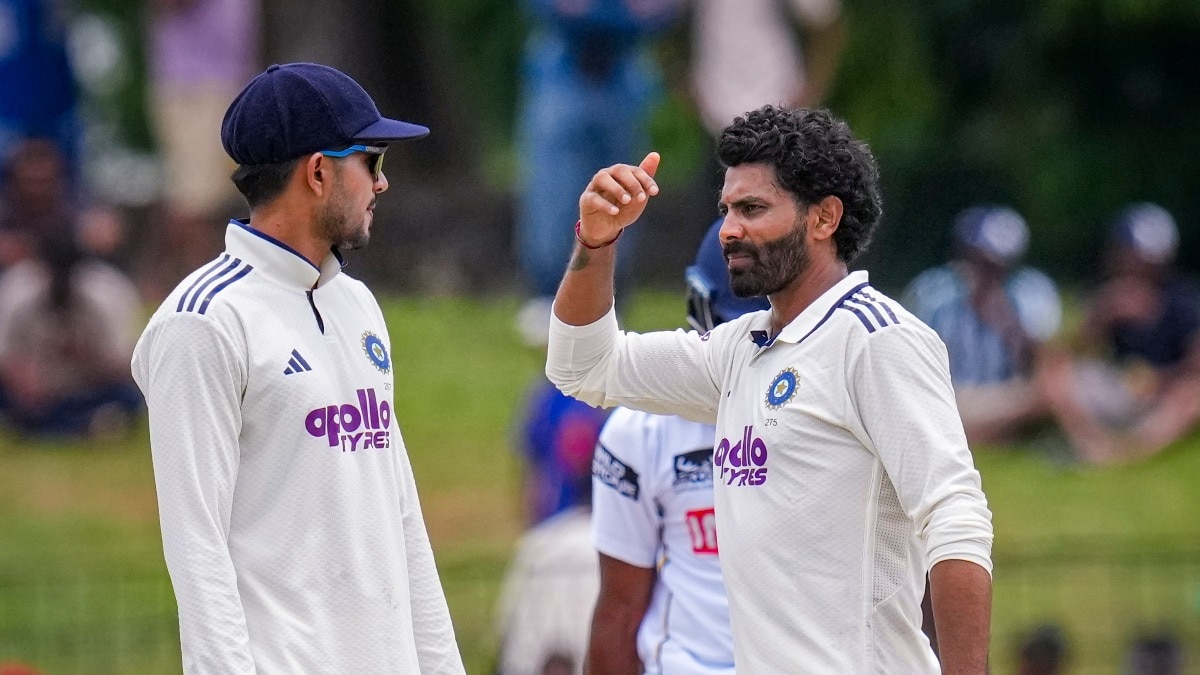
Legendary cricketer Sunil Gavaskar has expressed outrage over Ravindra Jadeja's frequent no-balls during the Sri Lanka Test series, suggesting strict financial penalties for both players and coaches.
- Ravindra Jadeja's frequent overstepping has drawn criticism from Sunil Gavaskar.
- Gavaskar proposes a doubling fine system for repeated no-ball offenses.
- The legendary batsman rejected the idea of introducing 'free hits' in Test cricket.
Cricket legend Sunil Gavaskar has voiced strong concerns regarding the recurring issue of no-balls in Test cricket, specifically targeting the recent performance of Ravindra Jadeja during India's two-match series in Sri Lanka. The veteran statesman believes that the lack of discipline in the bowling crease is an urgent matter that could alter the very fabric of the red-ball game.
During the Colombo Test, the Indian spin unit struggled significantly, with Jadeja's repeated overstepping becoming a major talking point. Statistics reveal a worrying trend: since 2021, the senior left-arm spinner has conceded more than 85 no-balls. Furthermore, debutant Saransh Jain also faced difficulties with front-foot discipline, adding to the team's woes.
Why This Matters
BozokMedia analysis shows that frequent no-balls in Test cricket do more than just grant extra runs; they disrupt the bowler's rhythm and provide psychological momentum to the batting side. In a format where every run is hard-earned, such technical lapses can shift the balance of a match decisively.
With a tape measure available to mark the run-up, there should be no excuses for overstepping the bowling crease.
Gavaskar notably dismissed a suggestion made by spin bowling coach Sairaj Bahutule, who jokingly proposed introducing 'free hits' after no-balls to curb the offense. Gavaskar argued that Test cricket should not become easier for batters, especially given the current trends of increased scoring rates and boundary restrictions.
The Proposed Penalty System
Instead of changing the rules of the game, Gavaskar has proposed a rigorous financial penalty system. He suggested that a fine should be imposed for every overstep, and crucially, this fine should double with every subsequent transgression. To ensure accountability at the highest level, he also proposed that the bowling coach should be fined half the amount imposed on the player.
In a light-hearted twist, Gavaskar suggested that the funds collected from these penalties could be used to host a final team dinner, potentially turning a disciplinary measure into a team-bonding exercise.
Historical Background
Historically, Test cricket has been viewed as the ultimate test of skill and discipline. While limited-overs formats have adapted to various rule changes to balance the game, the sanctity of Test cricket relies on the traditional contest between bat and ball. Overstepping has long been a nuisance, but the advent of high-definition technology has made these errors impossible to ignore.
Frequently Asked Questions
Question 1: Why does Gavaskar want to fine the bowling coach?
Answer: He believes that the responsibility for a bowler's discipline lies partially with the coaching staff and they should share the accountability.
Question 2: What is Gavaskar's stance on 'free hits' in Test cricket?
Answer: He is firmly against it, arguing that it would make run-scoring too easy for batsmen in the longest format of the game.