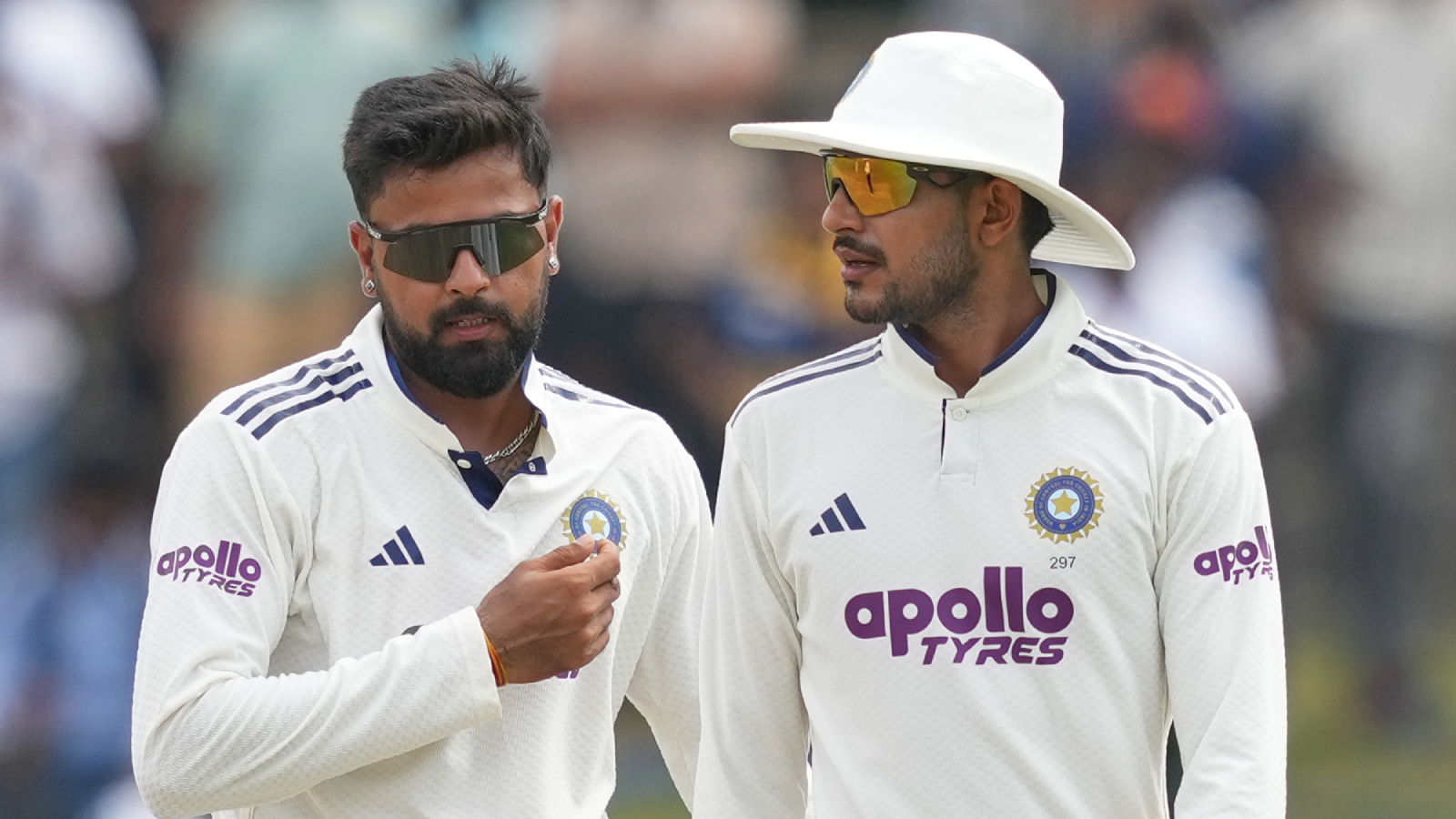
Legendary cricketer Sunil Gavaskar has called for strict financial penalties for bowlers and coaching staff following India's repeated no-ball errors in the Colombo Test.
- India won the series 1-0 against Sri Lanka but missed a win in Colombo due to no-balls.
- Indian bowlers committed 20 overstepping errors across the two-Test series.
- Sunil Gavaskar suggested progressive fines for bowlers and a shared penalty for coaches.
- Proposed fines could fund a celebratory team dinner to boost morale.
Former Indian captain Sunil Gavaskar has expressed deep frustration regarding the recurring issue of no-balls within the Indian bowling unit. Despite securing a 1-0 series victory against Sri Lanka, India’s prospects for the World Test Championship (WTC) final were dampened after failing to force a result in the Colombo Test, largely due to unforced errors by the spinners.
The statistics are telling: in the Colombo Test alone, Ravindra Jadeja and debutant Saransh Jain combined to bowl 11 no-balls, bringing the match total to 13. Over the course of the entire two-match series, Indian bowlers overstepped 20 times. For a team competing at the highest level, such lapses are increasingly seen as inexcusable.
Why This Matters
BozokMedia analysis shows that discipline in the bowling crease is a critical determinant of success in long-format cricket. Frequent no-balls disrupt a bowler's rhythm, provide unnecessary momentum to the opposition, and can ultimately shift the momentum of an entire session, as seen in the recent Colombo debacle.
With tape measures and advanced technology available, there should be absolutely no excuses for overstepping the bowling crease in the modern era.
In his latest column, Gavaskar rejected the idea of introducing 'free hits' in Test cricket, arguing that it would only make scoring easier for batters. Instead, he proposed a punitive system: "How about a fine which gets doubled for every further transgression, plus half the amount of the fine for the bowling coach too."
In a creative twist, the legend suggested that these fines shouldn't just be punitive but also communal. He proposed that the collected funds be used to host a grand team dinner at the end of the series, turning a disciplinary measure into a team-bonding activity.
Historical Background
Historically, no-balls were viewed as minor tactical errors. However, as the intensity of Test cricket has increased and the margin for error has shrunk, professional standards have evolved. The introduction of advanced training technology has raised the expectation for bowlers to maintain perfect line and length, including their foot placement.
Frequently Asked Questions
1. Why is Sunil Gavaskar angry with the Indian bowlers?
He is frustrated by the high number of no-balls (20 in the series) which cost India a decisive win in Colombo.
2. Who else does Gavaskar want to be penalized?
He suggested that the bowling coach should also be fined half the amount of the player's fine.