India is moving beyond singles dominance, developing a unique 'Indian doubles style' through cutting-edge technology, specialized apps, and high-intensity training drills.
- Three of India's last six World Championship medals have come from doubles events.
- Athletes are utilizing specialized technology like BlazePods and the 'One Brain' app to enhance reflexes.
- The Pullela Gopichand Academy is implementing advanced drills like 'Korean Defense' and color-coded shuttle training.
- Doubles strategy is shifting from finding gaps (singles style) to targeting opponent vulnerabilities.
A profound transformation is underway in the landscape of Indian badminton. While the nation's sporting narrative has long been dominated by singles legends, a new era is dawning—one that speaks the language of 'Doubles'. With three of India's last six World Championship medals coming from paired events, the focus has shifted toward developing a specialized Indian style of doubles play.
The Technological Edge in Training
Modern training in India has moved far beyond simple shuttle exchanges. At the prestigious Pullela Gopichand Badminton Academy in Hyderabad, sessions are now infused with scientific precision. Players are increasingly turning to technology to sharpen their mental and physical edges. For instance, Tanisha Crasto, a top mixed doubles shuttler, highlights the use of the 'One Brain' app for reflex training, while others utilize BlazePods—digital reaction lights—to enhance peripheral alertness during intense rallies.
This technological integration is complemented by highly specialized drills. One such method involves using color-coded cones and even multi-colored shuttles. Players must react instantly to the color of the incoming shuttle, deciding whether to execute an aggressive counter-drive or a soft drop shot, thereby mimicking the chaotic, high-speed decision-making required in professional doubles matches.
Doubles is the operating system of speed, laced with power and instantaneous reflex activation.
Why This Matters
BozokMedia analysis shows that the shift toward doubles is not just a change in preference but a strategic necessity to climb the global rankings. Unlike singles, where the goal is often to exploit gaps in the court, doubles requires a different psychological approach. Coach Sumeeth Reddy notes that doubles is about sensing which opponent is tentative and targeting them with precision-engineered attacks.
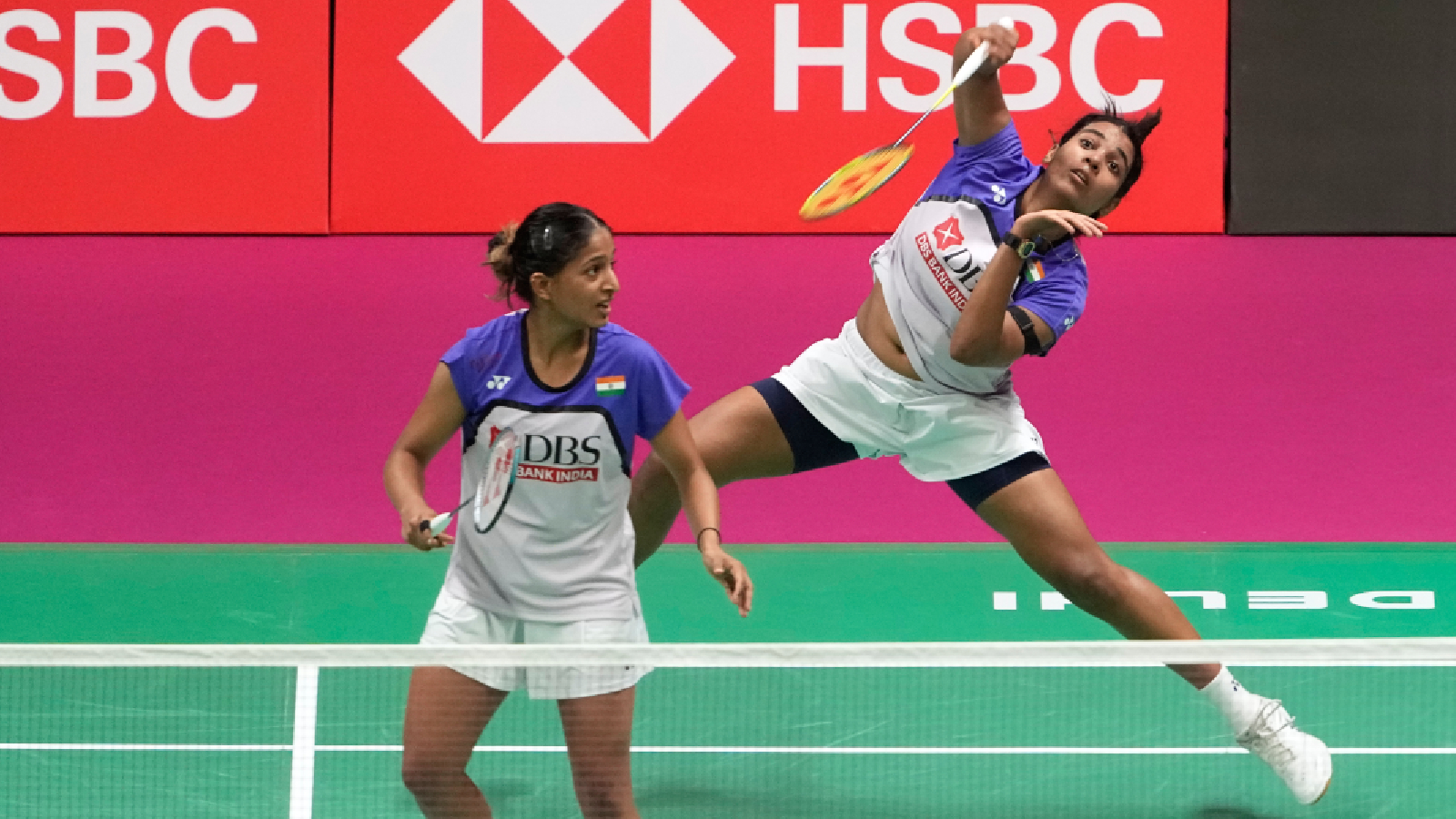
The emergence of stars like Treesa Jolly and Gayatri Gopichand Pullela, who recently secured a bronze in Delhi, signals that India's women's doubles depth is growing. While the dominance of Chinese pairs like Liu Shengshu and Tan Ning remains a significant hurdle, the adoption of 'Korean-style' defensive transitions and advanced serve-and-receive tactics is bridging the gap.
Historical Background
For decades, Indian badminton development was heavily skewed toward singles, inspired by the successes of Saina Nehwal and P.V. Sindhu. However, the partnership of Satwiksairaj Rankireddy and Chirag Shetty has acted as a catalyst, proving that doubles can be a primary pathway to global glory, thereby changing the coaching philosophy and parental perceptions in India.
Frequently Asked Questions
1. How does doubles training differ from singles training in India?
Doubles training focuses more on rapid-fire reflexes, specialized serves, and coordinated movement, often using tools like reaction lights and specialized apps.
2. What is the 'Korean Defense' drill?
It is a fast-paced, low-crouched drill designed to extend rallies and improve the speed and rhythm of shuttle exchanges.