BCB President Tamim Iqbal has expressed regret over Bangladesh's decision to skip the 2026 T20 World Cup fixtures in India. He emphasizes that sports should transcend diplomatic tensions, citing the need for better negotiations over boycotts.
- Tamim Iqbal believes sports should remain separate from diplomatic conflicts.
- Bangladesh was replaced by Scotland in the 2026 T20 World Cup after refusing to travel to India.
- Tensions were fueled by the BCCI-directed release of Mustafizur Rahman from KKR.
- BCCI and BCB are currently negotiating a new window for a bilateral series.
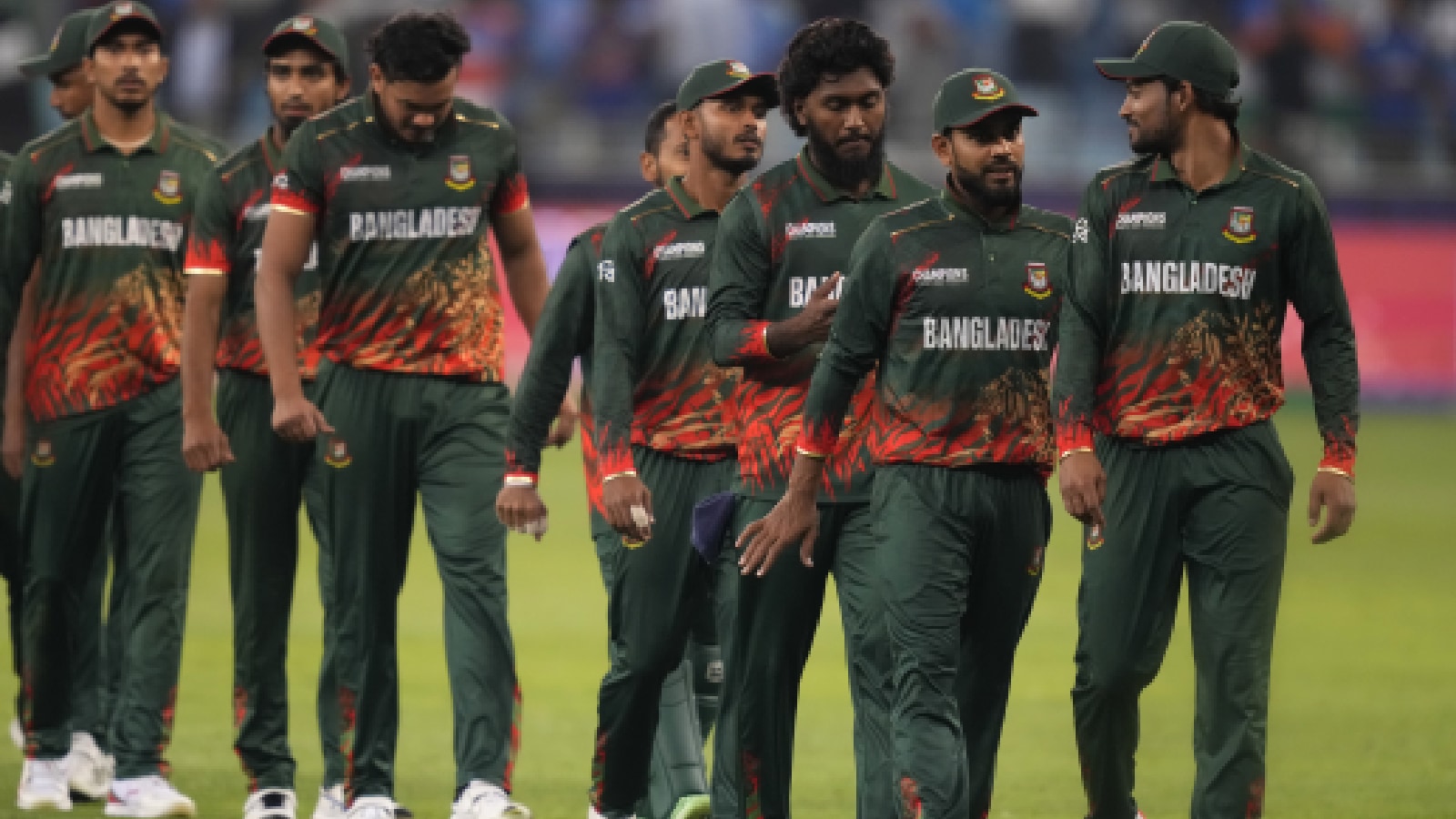
In a candid revelation on the YouTube channel ‘Not Out Norman’, Bangladesh Cricket Board (BCB) President Tamim Iqbal admitted that the decision to boycott the 2026 T20 World Cup group-stage fixtures in India was a mistake. The decision, which saw Bangladesh replaced by Scotland, had sent shockwaves through the cricketing world and severely strained ties between the two neighboring nations.
The root of the conflict traced back to the 'Mustafizur Rahman incident', where the Kolkata Knight Riders (KKR) released the Bangladeshi pacer following directions from the BCCI. While Iqbal acknowledged the national disappointment regarding the incident, he argued that the response—refusing to travel to India citing security concerns—was an extreme measure that hindered the team's growth.
Why This Matters
BozokMedia analysis shows that this admission marks a significant shift in the BCB's diplomatic approach. By acknowledging that sports should remain independent of political friction, Iqbal is attempting to repair a fractured relationship with the BCCI, which holds immense power in global cricket governance. The comparison between the current tension and geopolitical conflicts, such as Iran's participation in US-hosted events during wartime, highlights the perceived disproportionate nature of the boycott.
The intersection of sports and diplomacy often creates volatile outcomes, but the long-term cost of isolation for a developing cricket nation is far higher than the short-term satisfaction of a diplomatic protest.
Currently, both boards are working tirelessly to find a window for a bilateral series consisting of three ODIs and three T20Is. Although the original September schedule is unlikely to materialize due to India's series against Afghanistan starting September 13, Iqbal insists that the intentions of both boards are positive.
Historically, India and Bangladesh have shared a competitive yet volatile cricketing relationship. From the high-voltage matches in the Asia Cup to the strategic battles in World Cups, the rivalry has often been mirrored by the diplomatic climate of Dhaka and New Delhi. This recent crisis represents one of the deepest rifts in the history of their sporting ties.
Frequently Asked Questions
Why did Bangladesh skip the 2026 T20 World Cup?
Bangladesh declined to travel to India citing security concerns, largely as a reaction to the BCCI's influence on KKR releasing Mustafizur Rahman.
When will India and Bangladesh play their next series?
While the September window is uncertain due to India's Afghanistan series, both boards are currently negotiating a new timeframe.