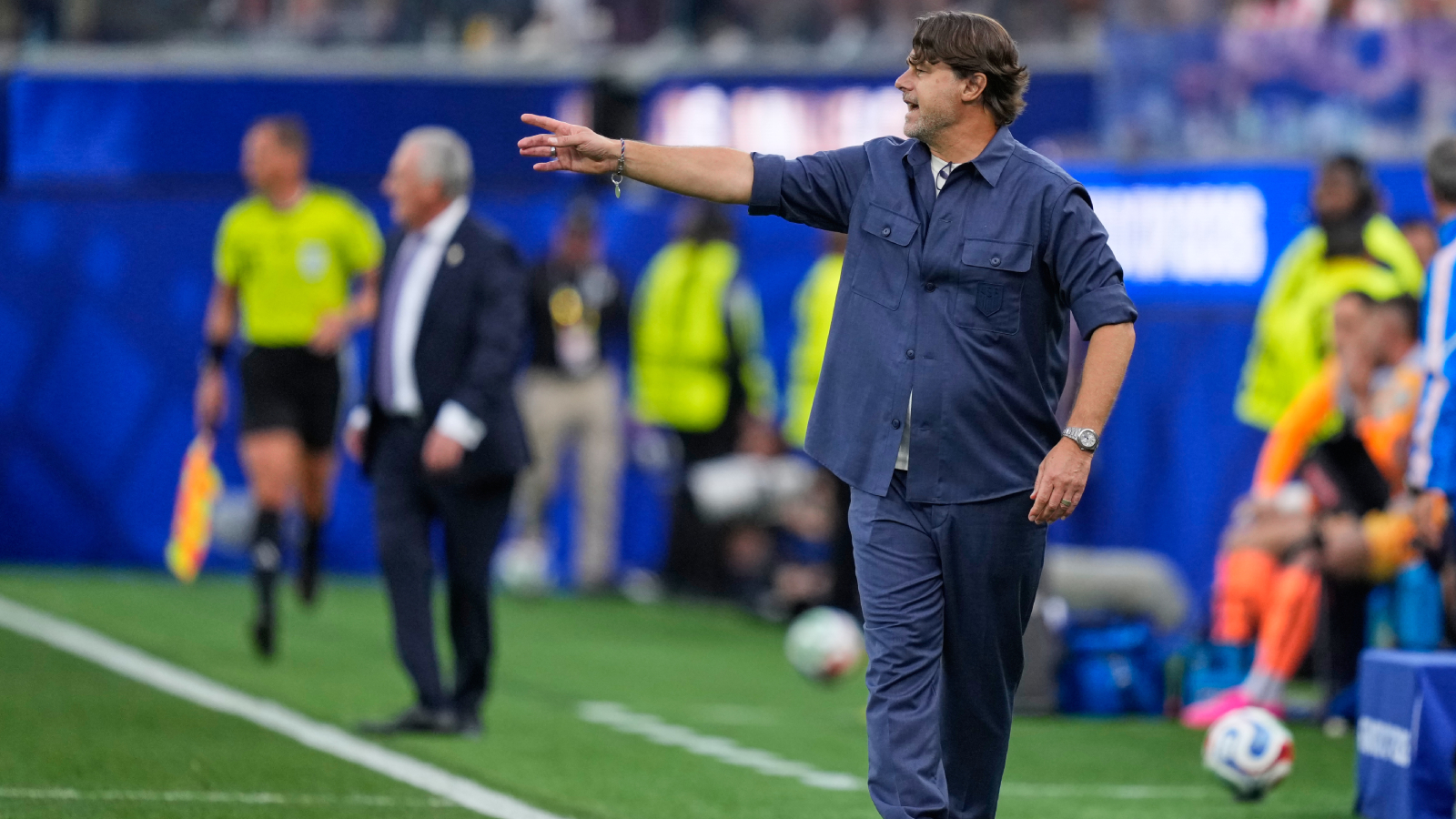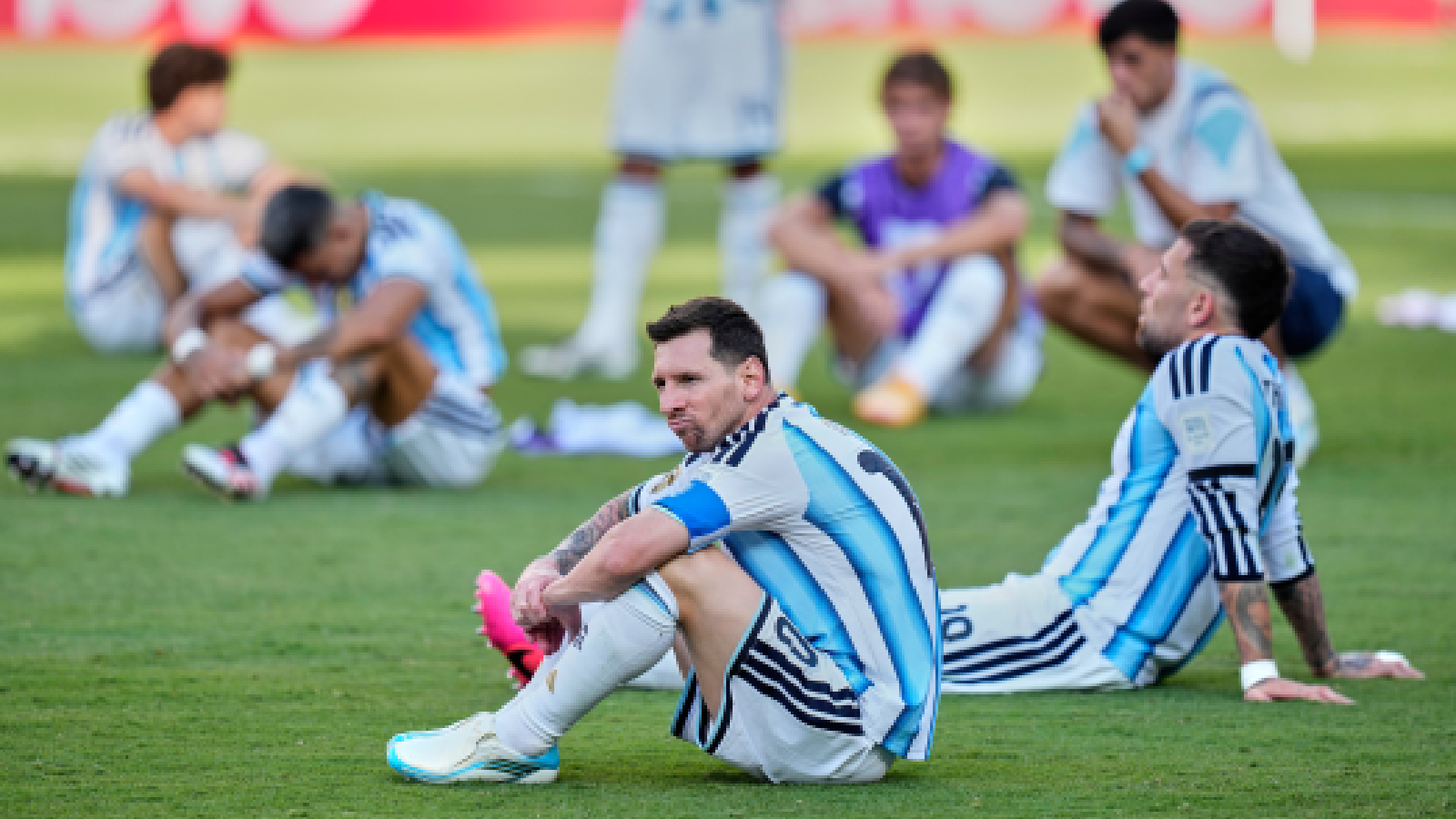
In a heartbreaking announcement, Lionel Messi has called time on his international career with Argentina. Citing physical exhaustion and the emotional toll of his father's passing, the GOAT leaves behind a legacy of unmatched perfection.
- Lionel Messi has officially retired from international football with the Argentina national team.
- The decision follows the failure to defend the World Cup title and the passing of his father, Jorge Messi.
- Messi retires as one of the most decorated players in history, having secured the World Cup and two Copa América titles.
If words could weep, Lionel Messi’s retirement statement would have been a flood. Posted on Instagram—a platform that didn't even exist when he first donned the iconic sky blue and white stripes 21 years ago—the announcement marked the end of the hallowed number 10 era for Argentina. The words were simple yet devastating: "Time is running short, chapters come to a close, and this is one that hurts me deeply."
For the global football community, this news feels like a glitch in reality. There is a lingering denial, a hope that this is merely a hacker's prank, because the world is not yet ready to accept that the pinnacle of footballing intelligence, compressed into 1.70 meters of flesh and bone, has finally stepped away from the international stage.
Why This Matters
BozokMedia analysis shows that Messi's departure is not just about the loss of a player, but the loss of a concept. While Pele had the World Cups, Maradona had the romantic chaos, and Cristiano Ronaldo had the staggering numbers, Messi represented the 'ideal state' of football—a faultless blend of science and art. He retires not just with records, but with moments that rendered statistics irrelevant.
Messi didn't just play the game; he curated it into an art form that may never be replicated in our lifetime.
The signs of this inevitable conclusion were present. The grueling attempt to defend the World Cup crown left his legs depleted. More painfully, the death of his father, Jorge Messi, last month left a void that no trophy could fill. Messi admitted that he pushed himself beyond his physical limits, but his body could no longer sustain the demands of elite international competition.
His journey with Argentina was a saga of redemption. For years, he faced scrutiny over his loyalty and his 'Argentine-ness' due to his early move to Spain. He played under immense pressure, described by former manager Jorge Sampaoli as playing "with a revolver on his head." However, his final chapter, guided by Lionel Scaloni, was his most glorious, cementing his place alongside Maradona in the hearts of millions.
| Metric | Lionel Messi | Traditional Legends |
|---|---|---|
| Style | Symmetry of Art & Science | Physical Dominance/Speed |
| WC Impact | Peak in final career stage | Early or mid-career peaks |
| Legacy | The Definition of Perfection | Statistical Supremacy |
Frequently Asked Questions
Q1: What were the primary reasons for Messi's retirement?
A: Physical exhaustion, severe leg pain during the last World Cup, and the emotional impact of his father's death.
Q2: Does this mean Messi is retiring from all football?
A: No, the announcement specifically refers to his international career with the Argentina national team.