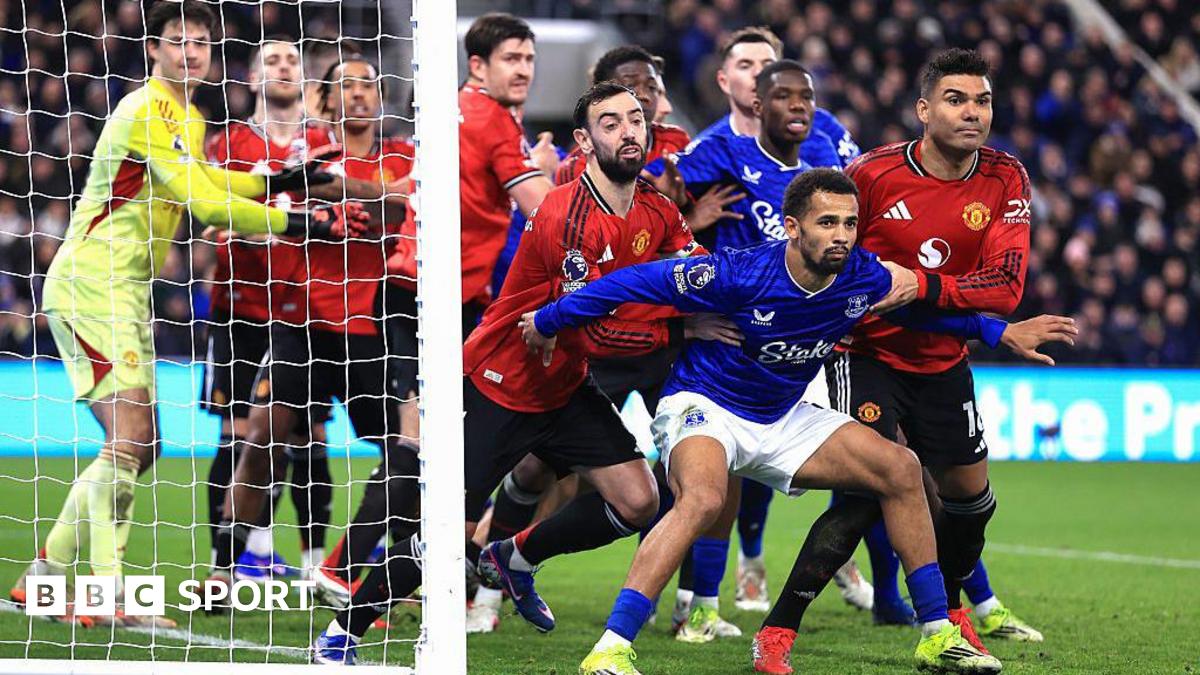
The Premier League is cracking down on 'non-footballing' physical contact during set-pieces. Referees have been instructed to be stricter with holding and shoving to eliminate chaos in the penalty area.
- Referees will now strictly penalize 'non-footballing holding actions' during corners and free-kicks.
- Focus is on players who prevent opponents from playing the ball through wrestling or clothing-pulling.
- Howard Webb aims for fewer warnings and more immediate penalties to force a change in player behavior.
The Premier League is entering its new season with a clear mandate: end the epidemic of holding, pushing, and grappling that plagued the penalty area last year. Following a summer of consultations with captains, coaches, and stakeholders, officials have been instructed to adopt a zero-tolerance approach toward clear non-footballing actions during set-pieces.
While the fundamental Laws of the Game remain unchanged, the Premier League is shifting its focus toward player behavior. Officials across the English Football League and Women's Super League will now prioritize 'holding actions that have a clear material impact.' This means any player who prevents an opponent from challenging for the ball through physical wrestling will be penalized immediately.
The New Enforcement Criteria
To ensure consistency, Howard Webb, the chief of referees, has outlined specific criteria for what constitutes a foul. Referees will look for instances where a player is solely focusing on the opponent rather than the ball, making no attempt to play the ball, holding with both arms, or committing sustained pulling of an opponent's clothing.
| Action | Previous Season Approach | New 2026-27 Approach |
|---|---|---|
| Off-the-ball wrestling | Often ignored unless extreme | Strictly penalized as 'non-footballing' |
| Incidental bump to GK | No foul | Still no foul (high threshold) |
| Restricting GK arm movement | Penalty | Penalty (remains strict) |
Why This Matters
BozokMedia analysis shows that set-piece chaos has become a tactical weapon for many teams, often masking fouls that disrupt the flow of the game. By removing the 'grey area' of grappling, the league aims to protect attacking fluidity and reduce the reliance on VAR for obvious physical fouls. The goal is to shift the responsibility back to the players; if fouls decrease, it should be because players stopped grappling, not because referees stopped noticing.
"We're trying to get the officials to be as confident as they can be to penalize what they see—fewer warnings, more actions penalized." — Howard Webb.
To prepare for these changes, Pro Ref (the referees' body) has visited training grounds to show players clips of incidents that were ignored last season but will be penalized now. Examples include Brentford's Keane Lewis-Potter wrestling opponents and Sunderland's Luke O'Nien dragging players down by the neck.
Furthermore, referees are now receiving pre-game dossiers. These reports, created by skilled analysts, inform officials about specific team tactics and set-piece setups, allowing referees to position themselves at the most beneficial angles to spot fouls in real-time.
Frequently Asked Questions
Q1: Will every bit of contact in the box now be a penalty?
No. Contact is still part of the game, and a high threshold remains for incidental bumps, especially regarding goalkeepers.
Q2: How are players being informed of these changes?
Pro Ref conducts training ground visits and uses video clips to demonstrate the difference between 'footballing' and 'non-footballing' actions.