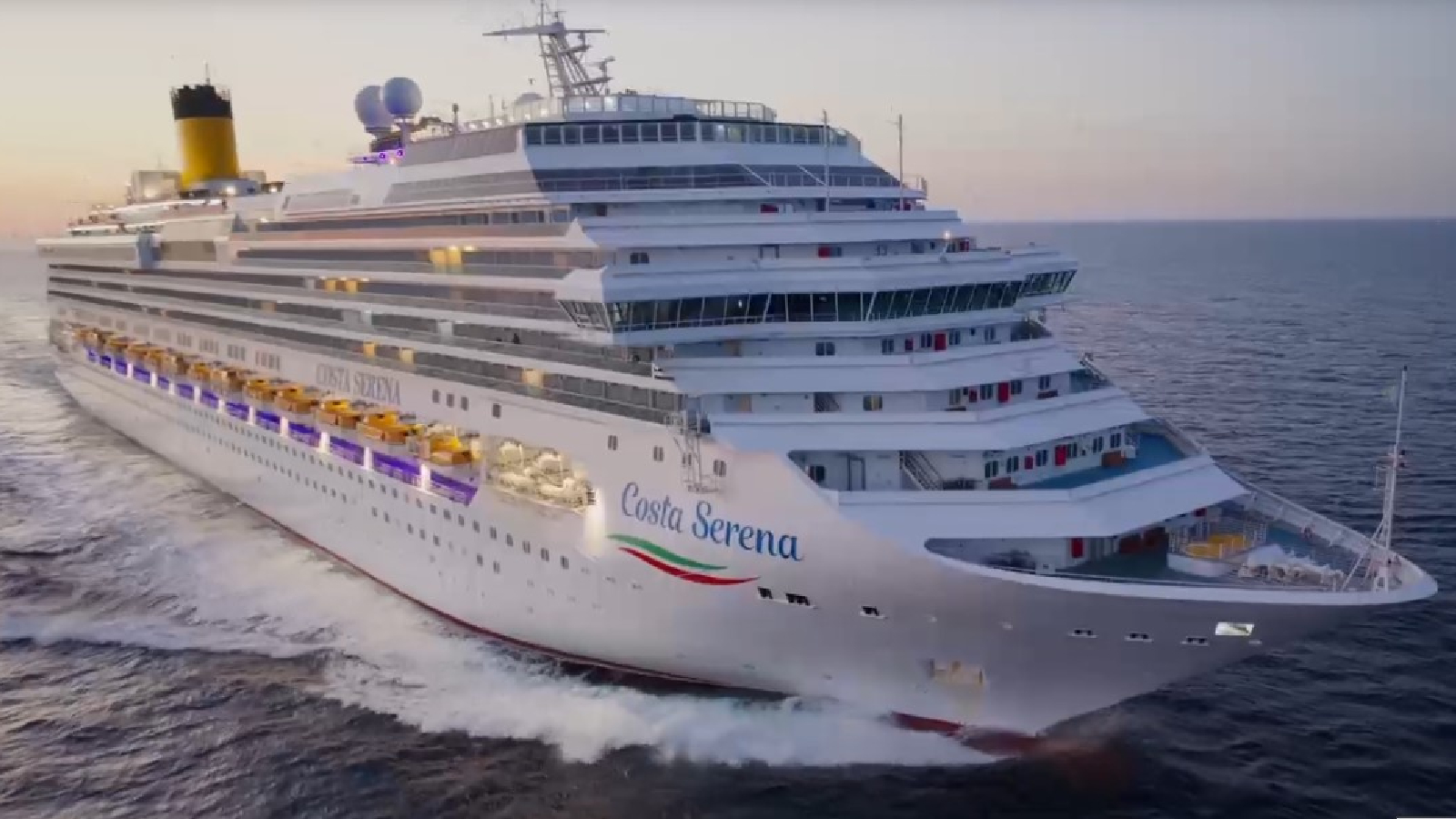
Japan is introducing a pioneering 'floating village' concept for the Aichi Nagoya Games, chartering the Costa Serena cruise ship to house thousands of athletes, blending sustainability with luxury.
- The Costa Serena cruise ship will serve as a 'floating Games village' for the upcoming Asian Games.
- Approximately 4,000 athletes and guests will be accommodated on board.
- The ship is equipped with SpaceX Starlink broadband for high-speed connectivity.
- The move is a sustainability measure to avoid the high costs of building permanent housing.
In a groundbreaking move for the history of the Asian Games, Japan has opted for a maritime solution to address athlete accommodation. The Costa Serena, a massive luxury cruise ship, will be converted into a 'floating Games village' for the Aichi Nagoya Games. Scheduled to dock at the Kinjo Pier in Nagoya Port on September 15, the vessel will house participants for the duration of the event from September 19 to October 4.
The decision is primarily driven by economic efficiency and sustainability. JTB’s Nagoya Business Division negotiated a charter contract worth 4.5 billion yen (approximately USD 30 million). This figure is significantly lower than the capital expenditure required to construct permanent residential units or apartments, which often become underutilized 'white elephants' after major sporting events. While some nations, including India, requested static land-based accommodation, Japan maintains that the ship provides a world-class alternative.
Why This Matters
BozokMedia analysis shows that the use of a cruise ship represents a shift toward 'modular infrastructure' in global sports. By leveraging existing luxury assets rather than pouring concrete, Japan is setting a precedent for future host cities to reduce their carbon footprint and financial risk. This approach transforms a logistical challenge into a unique hospitality experience.
The Costa Serena itself is a marvel of engineering. Built in 2007 in Genoa by Fincantieri, the ship underwent a massive 200-million-euro revitalization program in China in 2025. Originally inspired by Greek Mythology and the gods of Olympus, the ship's interior has been updated with a vibrant 'pop art' aesthetic, blending classical grandeur with modern color palettes.
"Integrating maritime hospitality into continental sports events is a masterstroke in urban planning and cost management."
The ship offers an impressive array of facilities: 557 balcony cabins, 8 restaurants, and 10 bars across 14 decks. It features a dedicated Wellness floor with a sea-view technogym and a thalassotherapy pool. For the athletes, the ship provides essential amenities including four swimming pools and a running track with an ocean-side view, though some of the high-end luxury dining will be scaled back to meet the needs of a Games village.
| Feature | Traditional Games Village | Costa Serena (Floating Village) |
|---|---|---|
| Financial Cost | High (Construction/Land) | Moderate (Charter Lease) |
| Sustainability | Low (Permanent Concrete) | High (Reusable Asset) |
| Connectivity | Fixed Broadband | SpaceX Starlink Satellite |
Despite the luxury, organizers are mindful of the risks. September is peak typhoon season in Japan. However, officials have assured that precise forecasting and undisclosed contingency measures are in place to ensure athlete safety. Once the Games conclude, the ship will embark on a 65-day voyage to Argentina, replacing the Costa Fortuna in the Western Hemisphere.
Frequently Asked Questions
1. How many athletes will be staying on the cruise ship?
Around 4,000 athletes and guests will be accommodated on the Costa Serena, while another 2,400 will stay in temporary housing and hotels.
2. Will the athletes have internet access?
Yes, the ship is equipped with SpaceX Starlink broadband connectivity to ensure high-speed internet access for all residents.
