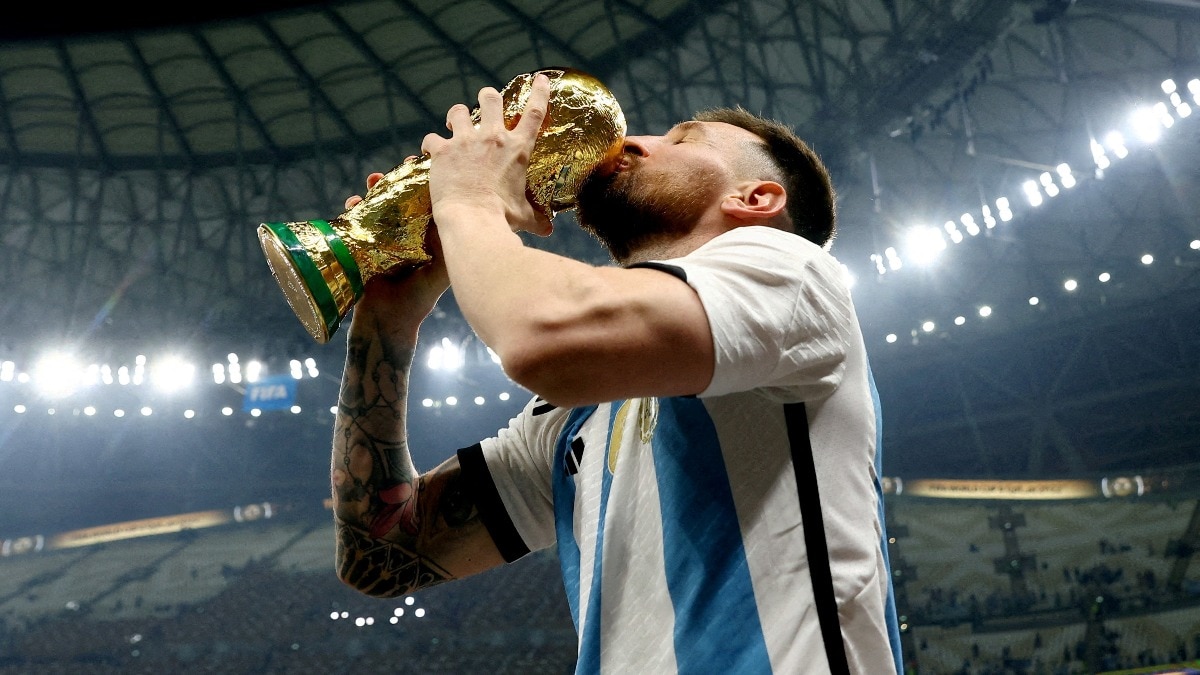
NBA legend Dennis Rodman shares wild anecdotes about the sheer intensity of his fanbase during the 1990s, highlighting the extreme lengths fans went to acquire his iconic jerseys.
- Dennis Rodman reflects on the cult-like following he commanded during his tenure with the Chicago Bulls.
- Fans reportedly offered extreme personal sacrifices, including relationships, to obtain his merchandise.
- The stories highlight the intersection of sports, fashion, and celebrity obsession in the 90s.
Basketball hall-of-famer Dennis Rodman has once again captured headlines, not for his rebounding prowess, but for his recollections of the absolute chaos his popularity caused during the golden era of the Chicago Bulls. In a recent reflection, Rodman detailed the surreal experiences he had with fans who viewed him as more than just an athlete, but as a cultural icon of rebellion and style.
Rodman revealed that the demand for his jerseys was so astronomical that it led to absurd situations. According to the former player, some fans were so desperate to own a piece of the 'Worm's' legacy that they were willing to trade almost anything. In a startling admission, Rodman noted that some men were even prepared to "give up their girlfriends" just to get their hands on his gear, illustrating a level of obsession that transcended typical sports fandom.
Why This Matters
BozokMedia analysis shows that Rodman's appeal was unique because he bridged the gap between professional sports and the avant-garde fashion world. While Michael Jordan represented the pinnacle of corporate excellence, Rodman represented the counter-culture. This duality created a fan demographic that wasn't just interested in basketball stats, but in the identity and 'edge' that Rodman projected.
Rodman's influence proved that a professional athlete could be a global fashion disruptor long before the modern era of athlete-influencers.
The 1990s Bulls dynasty is often remembered for its six championships, but the cultural footprint left by Rodman's eccentric personality was equally significant. His dyed hair, piercings, and unpredictable behavior made him a magnet for those who felt like outsiders, turning his jersey into a symbol of non-conformity.
Historically, the Chicago Bulls' marketing machine was a juggernaut, but Rodman's brand was largely organic. He didn't follow the script of the 'perfect athlete,' which ironically made him more marketable to a youth audience that craved authenticity and chaos over polished professionalism.
Frequently Asked Questions
Q: Which team did Dennis Rodman play for during this period?
A: He played for the Chicago Bulls, contributing to their second three-peat championship run.
Q: What made Rodman's jerseys so desirable?
A: They represented the rebellious and eccentric persona of Rodman, making them status symbols for counter-culture fans.