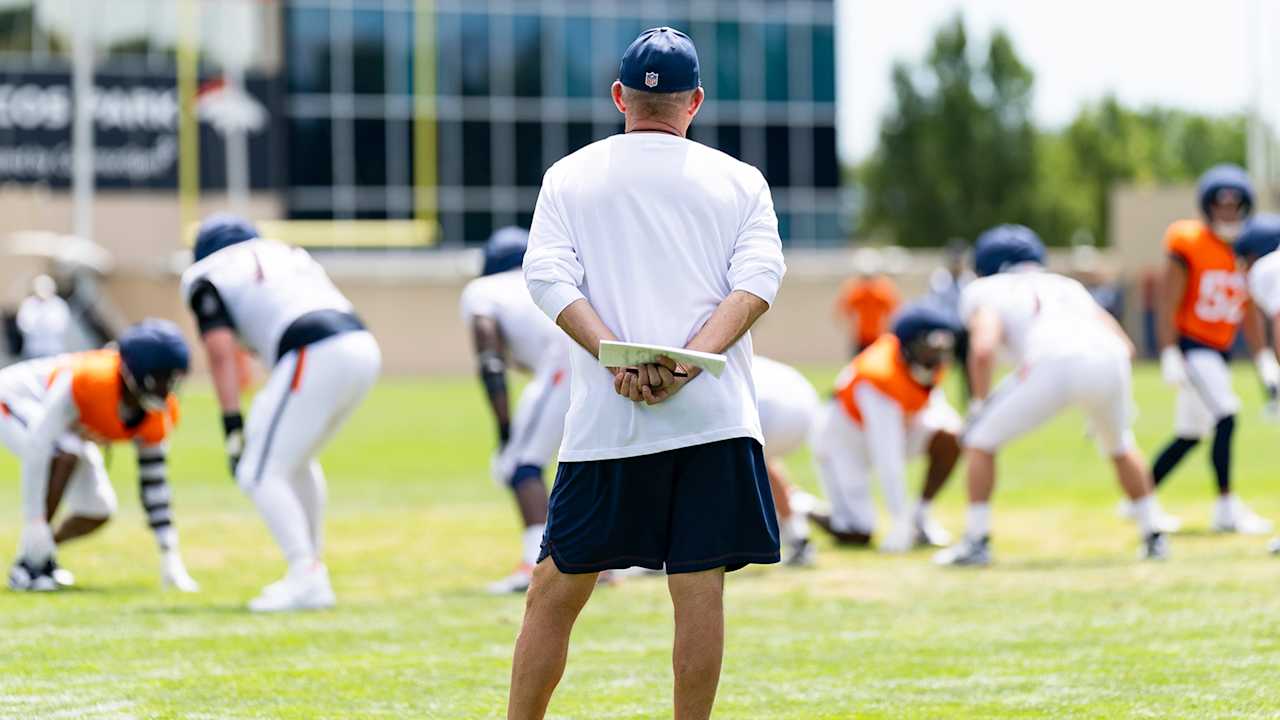
Head Coach Sean Payton provides a deep dive into the complex decision-making process behind the Denver Broncos' initial 53-man roster and practice squad assembly. The coach highlights the critical role of special teams and waiver risks in shaping the team's 2026 foundation.
- The Broncos have finalized their initial 53-man roster and a 17-player practice squad for the 2026 season.
- Special teams versatility was the deciding factor in several high-stakes position battles, particularly at running back.
- Head Coach Sean Payton describes the roster-cutting process as a 'Rubik's Cube' involving waiver risk assessments.
In the high-stakes environment of the NFL, the transition from preseason to the regular season is often a brutal exercise in mathematics and talent evaluation. For the Denver Broncos, this process culminated in the establishment of their initial 53-man roster and a supporting 17-player practice squad. Head Coach Sean Payton expressed satisfaction with the outcomes of the last 24 hours, though he cautioned that the roster is far from permanent.
One of the most notable shifts in the current roster is the decision to retain three quarterbacks—a move the franchise hasn't made since 2024. Payton specifically praised Sam Ehlinger, noting that his strong performance throughout the preseason made the decision relatively straightforward. Ehlinger is now viewed as one of the most improved assets coming out of training camp.
Why This Matters
BozokMedia analysis shows that the Broncos are prioritizing depth and versatility over rigid positional quotas. By keeping seven defensive linemen, the team is hedging its bets against injuries while attempting to retain as much internal talent as possible on the practice squad. This strategy indicates a shift toward a more flexible, risk-averse approach to roster management.
The process of cutting players is rarely about who is 'good' and more about who is 'claimable.' Payton revealed that the team spends hours analyzing what other 31 NFL teams see on tape. This 'science' of the waiver wire led to the difficult decision to waive running back Jaleel McLaughlin, while Tyler Badie secured a spot primarily due to his contributions to the kicking game.
The final roster cut is less about talent and more about the intersection of special teams value and the probability of a player clearing waivers.
The Broncos also faced setbacks with the loss of Justin Joly and Reese Taylor, both of whom were claimed by the Miami Dolphins. This highlights the volatility of the waiver process, where a team's hope that a player returns to the practice squad is often thwarted by a competitor's needs.
Regarding injuries, the team has designated tackle Frank Crum and tight end Caleb Lohner to injured reserve with the intent to return. Lohner's situation was particularly unfortunate, occurring just 24 hours after the PUP (Physically Unable to Perform) deadline, forcing the team to use an IR spot.
Frequently Asked Questions
Why did the Broncos keep three quarterbacks?
Coach Sean Payton stated that Sam Ehlinger's impressive preseason performance earned him a spot, providing the team with essential depth.
What was the deciding factor for the running back position?
The ability to contribute to special teams (the kicking game) was the primary differentiator between players like Tyler Badie and those who were waived.