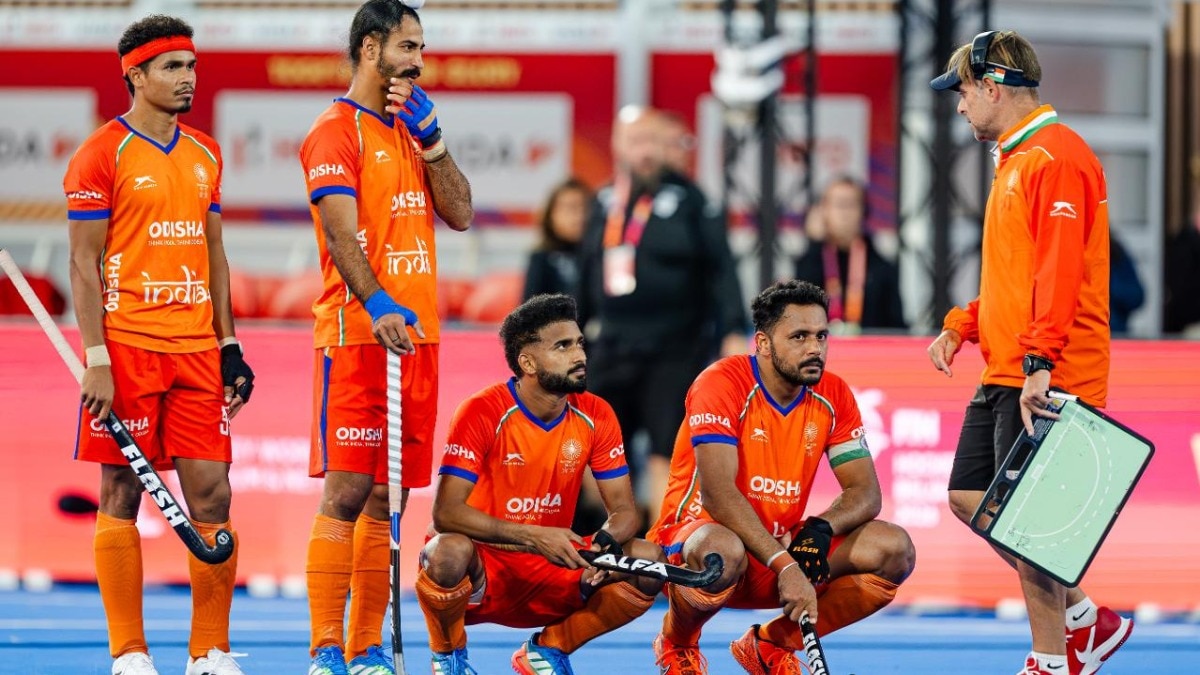
The current crisis in Indian hockey is not merely a failure of the national squad but a systemic collapse starting from the grassroots. This deep dive explores how poor infrastructure at the base leads to performance deficits at the top.
- Severe lack of modern infrastructure and Astroturf facilities at the local level.
- Outdated talent scouting mechanisms failing to identify elite potential.
- A widening gap between natural talent and sports-science-based training.
Indian hockey, once the undisputed king of the sporting world, is currently grappling with a crisis that transcends mere match results. The core of the issue lies in the grassroots ecosystem. While the national team often shows flashes of brilliance, the lack of a sustainable pipeline of world-class talent suggests a deeper structural decay.
The disparity in training environments is stark. In many rural pockets of India, hockey is still played on natural grass, whereas the international standard has long shifted to synthetic Astroturf. This transition creates a technical hurdle for young athletes, who struggle with the ball speed and bounce when they finally reach the national level, leading to critical errors in high-pressure games.
Why This Matters
BozokMedia analysis shows that the 'bleeding' effect occurs when systemic gaps at the junior level manifest as tactical failures at the senior level. Without a standardized national curriculum for youth coaching, India relies on sporadic bursts of individual brilliance rather than a cohesive, scientific approach to the game.
"Modern hockey is a game of milliseconds and millimeters; without scientific grounding at age 10, a player cannot compete at age 20."
Comparing India to European powerhouses like the Netherlands or Germany reveals a clear divide. These nations treat hockey as a science, integrating data analytics and high-performance psychology from the U-14 level. In contrast, India's approach has historically been more intuitive, relying on innate skill rather than structured athletic development.
Furthermore, administrative friction between state associations and the central governing body has led to a fragmented tournament structure. The absence of a competitive domestic league for juniors means that players are not battle-hardened before they enter the international arena.
Frequently Asked Questions
1. Why is the grassroots level so important for hockey?
Because the technical requirements of Astroturf are vastly different from grass, requiring early exposure to develop the necessary muscle memory.
2. How does this affect the national team?
It results in a limited pool of players who are truly comfortable with the modern, high-tempo game, making the team vulnerable during long tournaments.