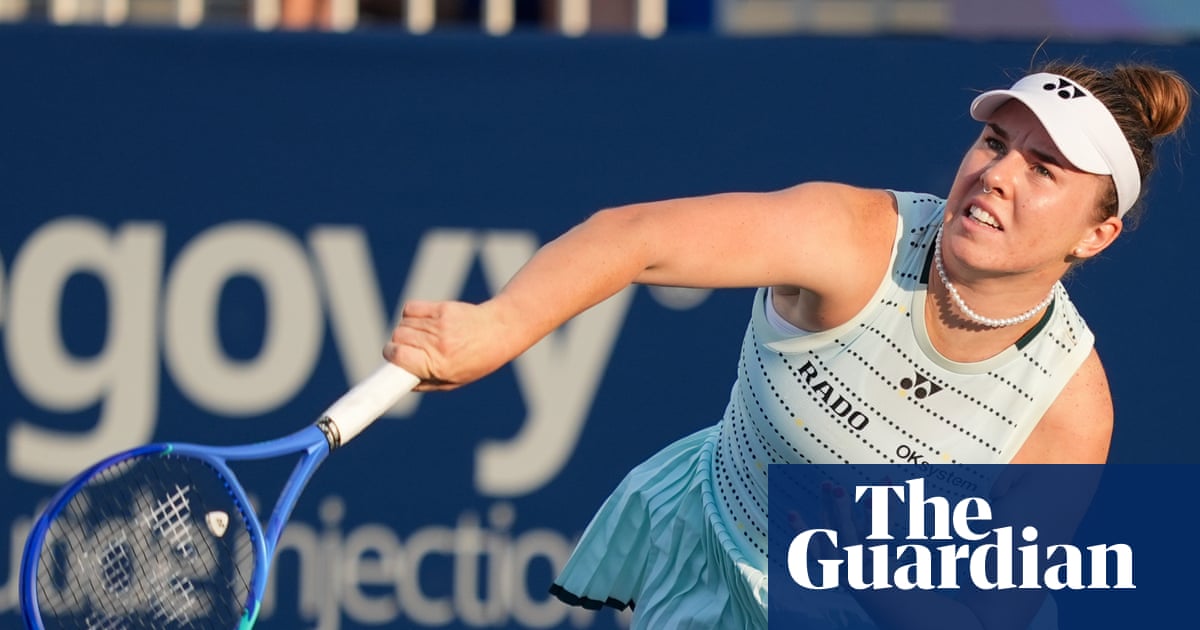
After clinching the Wimbledon title, Linda Noskova is grappling with the psychological aftermath of success. She opens up about the struggle to regain motivation and navigate sudden global stardom.
- Linda Noskova won her first Grand Slam at Wimbledon at age 21.
- The athlete is struggling with a loss of motivation following the achievement of her lifelong dream.
- Beyond tennis, Noskova is a dedicated environmentalist and human rights advocate.
For Linda Noskova, the journey from the quiet village of Bystricka in Czechia to the hallowed lawns of SW19 was a lifelong mission. However, the aftermath of her stunning Wimbledon triumph has proven to be a different kind of battle—one fought not with a racket, but within the confines of her own mind. The sudden transition from an underdog to a global icon has left her navigating a complex emotional landscape.
The final against her compatriot Karolina Muchova was a masterclass in resilience. After squandering five match points, Noskova clawed her way back to victory in a grueling third set. Yet, as the confetti settled, the reality of fame set in. Returning to Czechia, she described the experience as "crazy and chaos," as she was thrust into a spotlight she had spent her early career avoiding.
Why This Matters
BozokMedia analysis shows that Noskova is experiencing a phenomenon common among elite athletes: the 'post-peak void.' When a definitive life goal is achieved, the psychological drive that fueled years of sacrifice often vanishes. This creates a dangerous vacuum where the athlete must rediscover their 'why' to avoid a permanent decline in performance.
"Once you feel like you have achieved the dream you've always envisioned, it is incredibly tough to act like it never happened and start the climb all over again."
The professional circuit is relentless, and the tennis world moved on quickly. Noskova's return to competition was rocky, starting with a first-round exit at the Toronto Open. While she found solace and success in doubles—winning the Cincinnati title with Marie Bouzkova—her singles game remains in a state of transition as she fights to reclaim 100% of her pre-Wimbledon motivation.
What distinguishes Noskova from many of her peers is her intellectual and social depth. Far from being a one-dimensional athlete, she is a passionate environmentalist and advocate for LGBTQ and human rights. Her time volunteering at a school in Zanzibar, Tanzania, reflects a desire to leave a legacy that transcends sports statistics.
| Aspect | Pre-Wimbledon Phase | Post-Wimbledon Phase |
|---|---|---|
| Motivation Level | High / Hunger for success | Fluctuating / Search for purpose |
| Public Profile | Under the radar | High-profile celebrity |
| Focus | Achieving the Dream | Maintaining Excellence |
Frequently Asked Questions
Q1: Why is Linda Noskova struggling with motivation after winning Wimbledon?
A: She is dealing with the psychological challenge of having achieved her ultimate goal, making it difficult to find the same intensity and drive that existed before the win.
Q2: What are Noskova's interests outside of professional tennis?
A: She is a dedicated environmentalist and activist for human rights, gender equality, and LGBTQ rights, often spending her off-season volunteering.