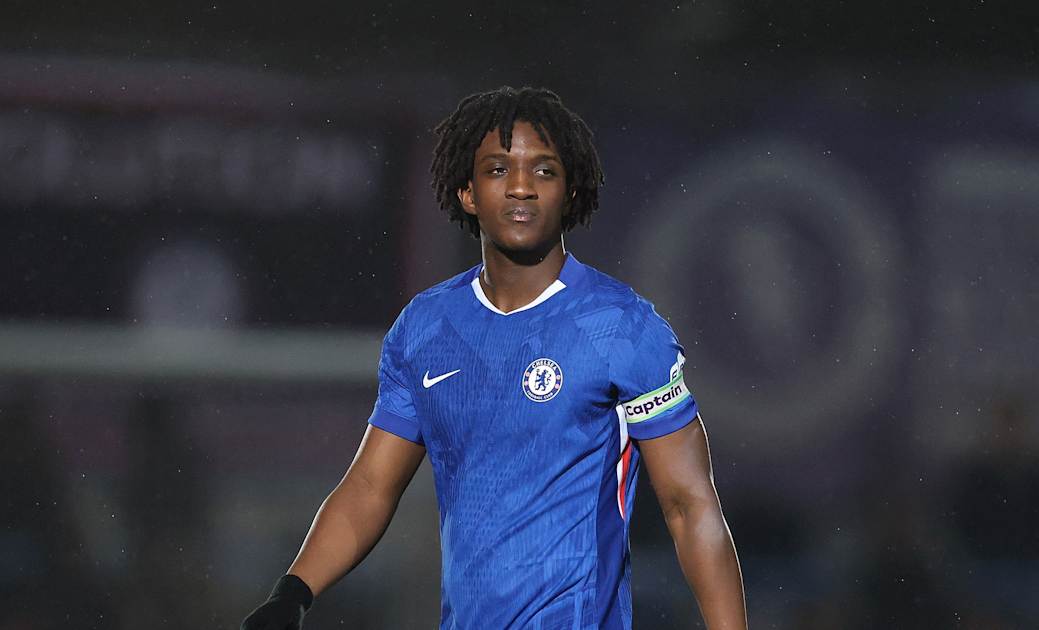
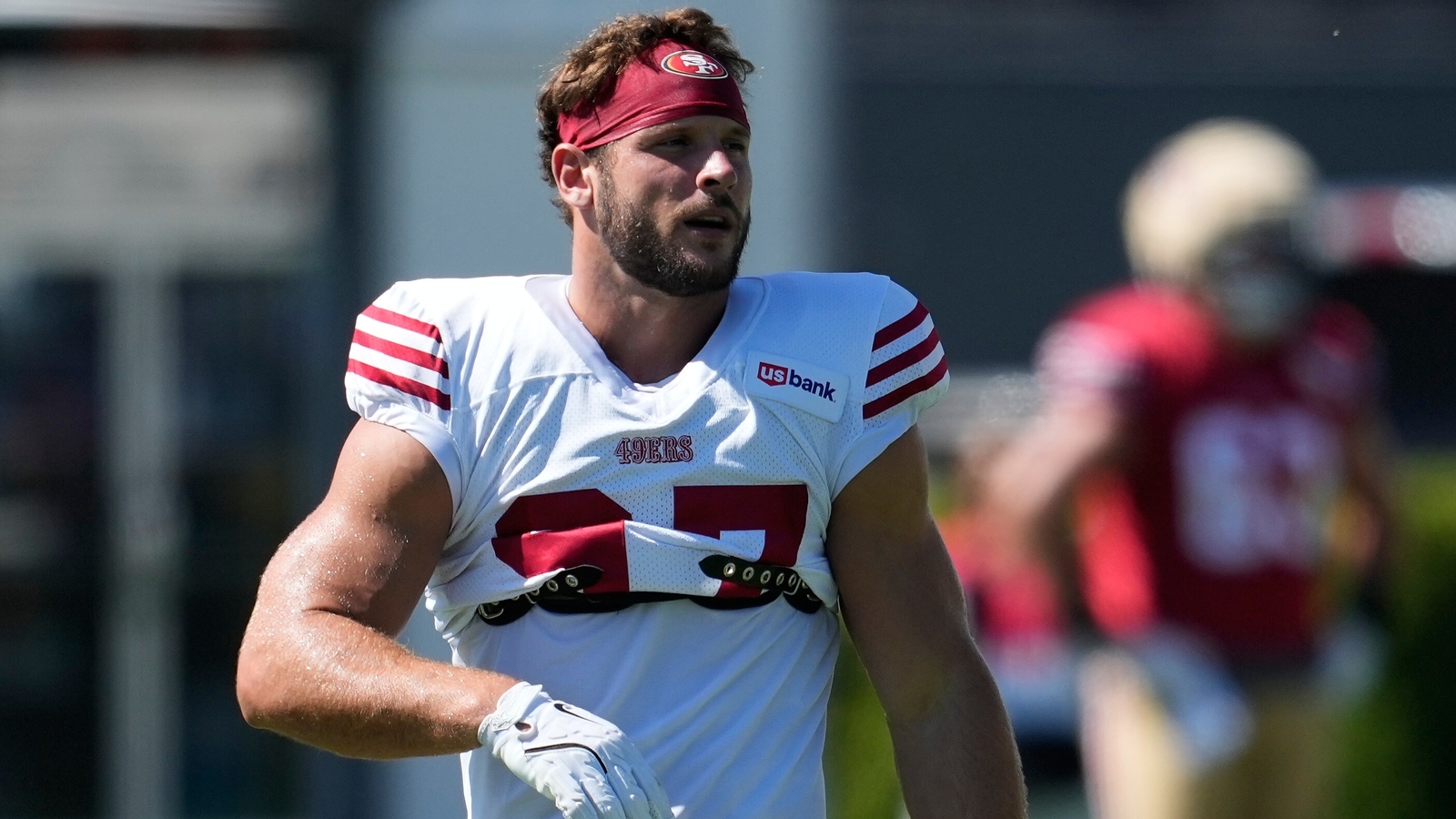
MLB players have openly addressed the salary‑cap demand, ongoing CBA negotiations, and the looming threat of a lockout. Growing tensions raise questions about the league’s future season.
- MLB players are pushing for a salary cap
- Negotiations over the CBA have intensified
- Signs point to a possible lockout
Background
Major League Baseball (MLB) has historically avoided a salary‑cap, unlike the NFL, NBA and NHL which adopted caps in the 1990s. This year the MLB Players Association (MLBPA) renewed its push, arguing that a cap would level the playing field for small‑market clubs and curb runaway payrolls.
Current Negotiation Landscape
The latest collective bargaining talks reveal a stark divide. Owners argue a cap would restrict revenue growth and flexibility, while the players’ union insists it is essential for competitive balance and protecting player earnings.
Lockout Risk
If an agreement is not reached by mid‑2024, both sides have hinted at a lockout. A work stoppage could delay the season start or, in a worst‑case scenario, mirror the 1994 strike that cancelled 938 games and cost the league billions.
Why This Matters
BozokMedia analysis shows that MLB’s financial model serves as a benchmark for U.S. sports; a salary‑cap adoption could trigger similar reforms across other leagues.
"A salary cap would bring fiscal stability while preserving competitive integrity," says sports economist Dr. Jane Collins.
Frequently Asked Questions
Q1: How will a salary cap affect average player earnings?
A: Analysts estimate top‑10% earners could see a 10‑15% reduction, while mid‑tier players might gain 5‑7% as payrolls become more evenly distributed.
Q2: What timeline could a lockout impose on the season?
A: A full breakdown could force a 30‑45‑day delay, jeopardizing the regular‑season schedule and potentially pushing the playoffs into late October.
.jpeg?width=1200&auto=webp&quality=75&trim=0,0,0,0&crop=)