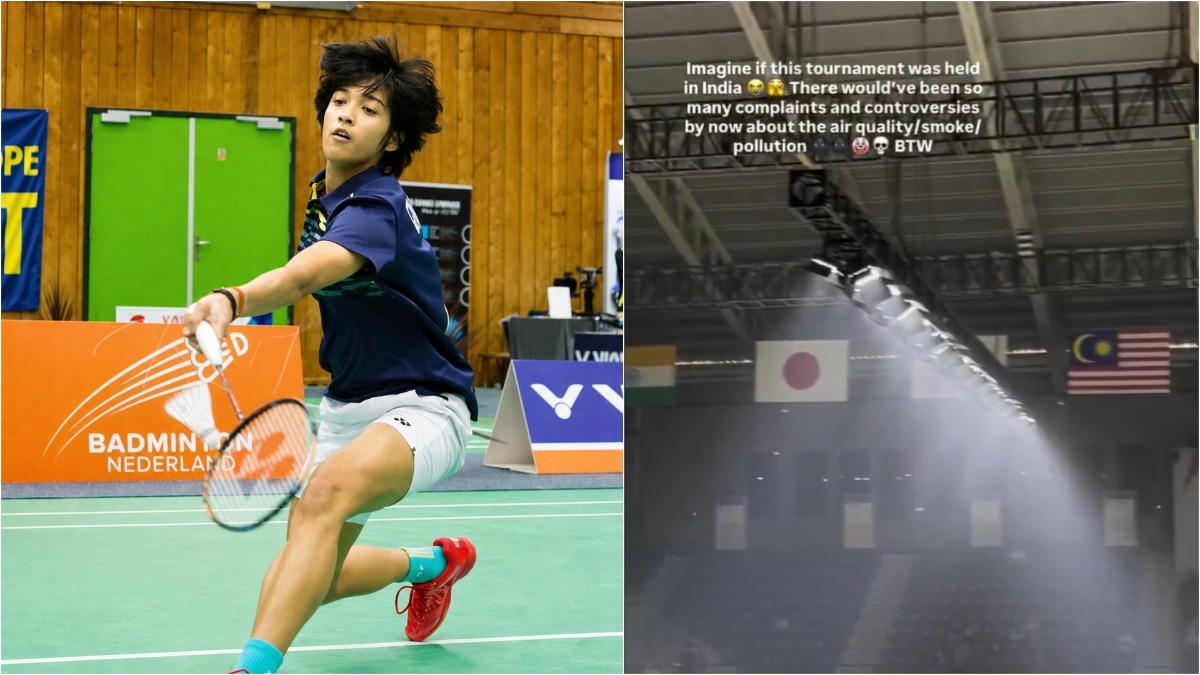
Indian shuttler Ashmita Chaliha has sparked a debate on global sports standards after highlighting hazy conditions inside the Indonesia Masters stadium, drawing parallels to pollution controversies in India.
- Ashmita Chaliha raised concerns over hazy/smoggy conditions inside the Indonesia Masters Super 100 venue.
- She noted the irony that similar conditions in India would trigger massive controversy.
- Chaliha has successfully progressed to the quarter-finals of the tournament.
- The comments recall the scrutiny faced by the 2026 India Open in New Delhi regarding air quality.
Indian badminton sensation Ashmita Chaliha has taken to social media to question the environmental conditions at the Indonesia Masters Super 100. Sharing a video on her Instagram Story, the top seed highlighted what appeared to be significant haze or smog inside the stadium. In a pointed remark, Chaliha wrote, "Imagine if this tournament was held in India. There would've been so many complaints and controversies by now about the air quality/smoke/pollution."
The Intersection of Sports and Environment
Chaliha's observation highlights a growing tension between high-stakes international sporting events and environmental health. As athletes push their physical limits, the air they breathe becomes a critical factor in performance and safety. BozokMedia analysis shows that the scrutiny on tournament venues is shifting from mere logistics to environmental sustainability and air quality management.
Athlete feedback is becoming a pivotal driver in how international sports bodies evaluate venue standards globally.
On the court, Chaliha has demonstrated immense skill, securing her place in the quarter-finals. She defeated Thailand's Pornpicha Choeikeewong in the Round of 32 and overcame Malaysia's Goh Jin Wei in a hard-fought Round of 16 match.
Historical Context: The India Open Scrutiny
The remarks come at a time when the memory of the 2026 India Open in New Delhi is still fresh. That tournament faced intense backlash from international players, including Denmark's Anders Antonsen, due to Delhi's severe winter smog. Additionally, hygiene concerns and venue management issues led the Indian Sports Ministry to intervene. However, the narrative shifted positively when the Indira Gandhi Indoor Stadium successfully hosted the 2026 BWF World Championships in August, showcasing better management and cleaner air.
Why This Matters
This issue is crucial because it touches upon the perceived 'double standards' in global sports. There is a growing discourse on whether tournaments in developing nations are held to more stringent environmental and hygienic standards compared to those held in other regions. Chaliha's first-hand experience provides a powerful voice to this ongoing debate.
Frequently Asked Questions
1. What exactly did Ashmita Chaliha post about?
She posted a video showing hazy conditions inside the Indonesia Masters stadium, questioning the air quality.
2. How does this relate to Indian badminton tournaments?
Indian tournaments, specifically the India Open, have faced heavy criticism in the past for pollution and hygiene issues.