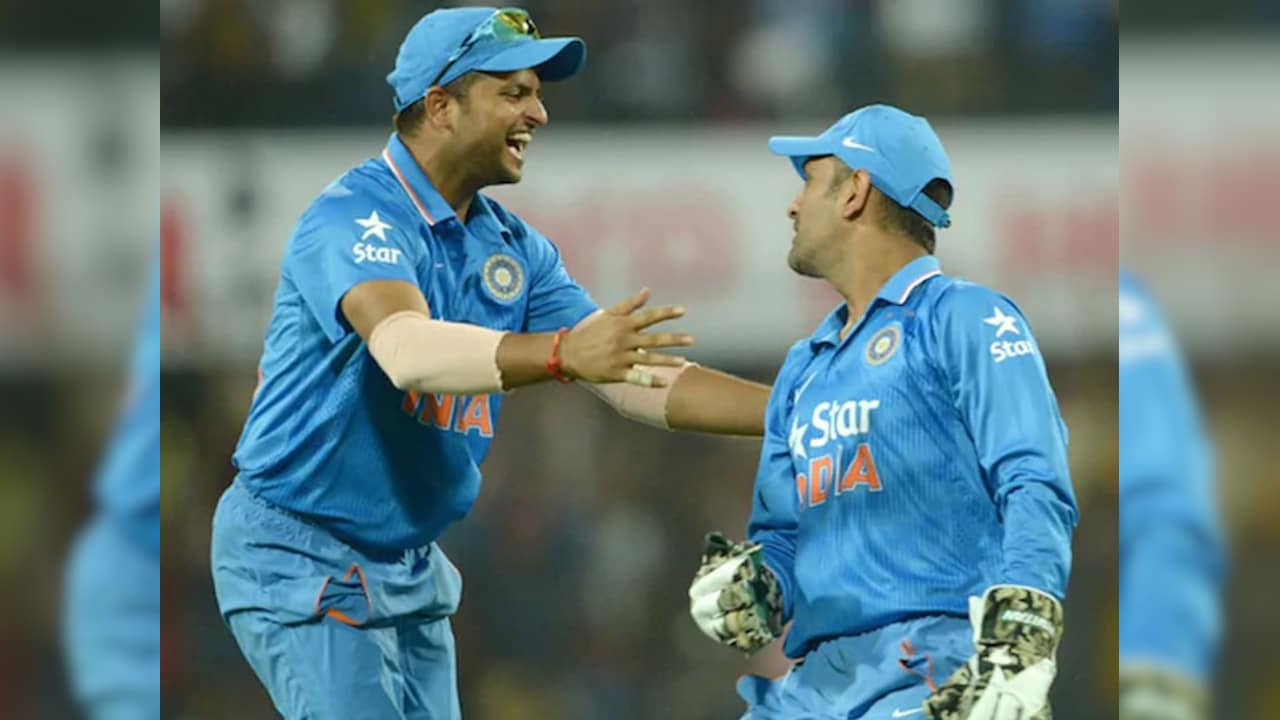
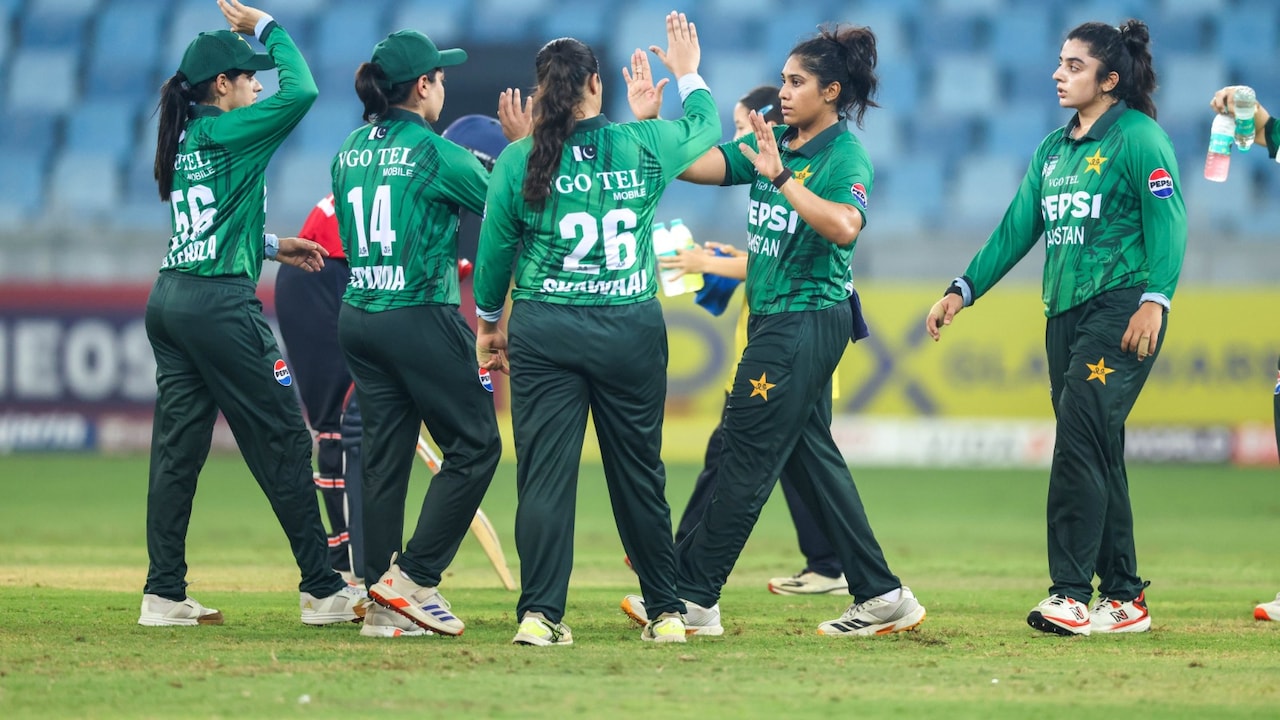
Reports suggest a unique and controversial accommodation plan for Indian athletes at the 2026 Asian Games in Japan, involving specialized container units. This development has sparked intense debate regarding athlete welfare and logistical planning.
- Proposed use of 40-foot containers for athlete accommodation in Japan.
- Trials for container-based living have already been conducted in Patiala.
- BCCI may need to manage independent logistics for food and transport.
As preparations for the 2026 Asian Games intensify, a startling revelation regarding the accommodation of Indian athletes has emerged. Reports indicate that instead of traditional luxury hotels, some athletes—particularly members of the cricket contingent—might be housed in specialized 40-foot container units during the games in Japan.
This unconventional method is not entirely unprecedented; a trial run was recently conducted in Patiala, where a group of four players tested the living conditions within such modular containers. The goal is to provide a controlled environment, but the move has raised eyebrows across the sporting community.
Why This Matters
BozokMedia analysis shows that this development highlights the growing complexity of hosting mega-sporting events. Japan has clarified that if teams require specific amenities, including customized catering and specialized transport, the responsibility for arranging such services may fall upon the respective national bodies, such as the BCCI.
The quality of off-field infrastructure is just as critical as the playing surface for elite performance.
The cricket-specific arrangements are also drawing scrutiny. With reports mentioning 65-meter boundaries and the use of hybrid pitches at the venues, the technical landscape of the tournament is set to be highly unique, potentially altering the traditional dynamics of the game.
For the Indian contingent, the logistical burden could be significant. If the host nation does not provide centralized hospitality that meets the high standards of Indian athletes, the BCCI will have to navigate the complexities of independent food, lodging, and travel management to ensure peak performance.
Frequently Asked Questions
Question 1: Why would athletes stay in containers?
Answer: It is a tactical move to provide specialized, compact, and highly controlled living environments near the training sites.
Question 2: Will the BCCI bear the cost of these arrangements?
Answer: If the host nation does not provide standard hospitality, the BCCI will likely have to fund and manage independent logistics.