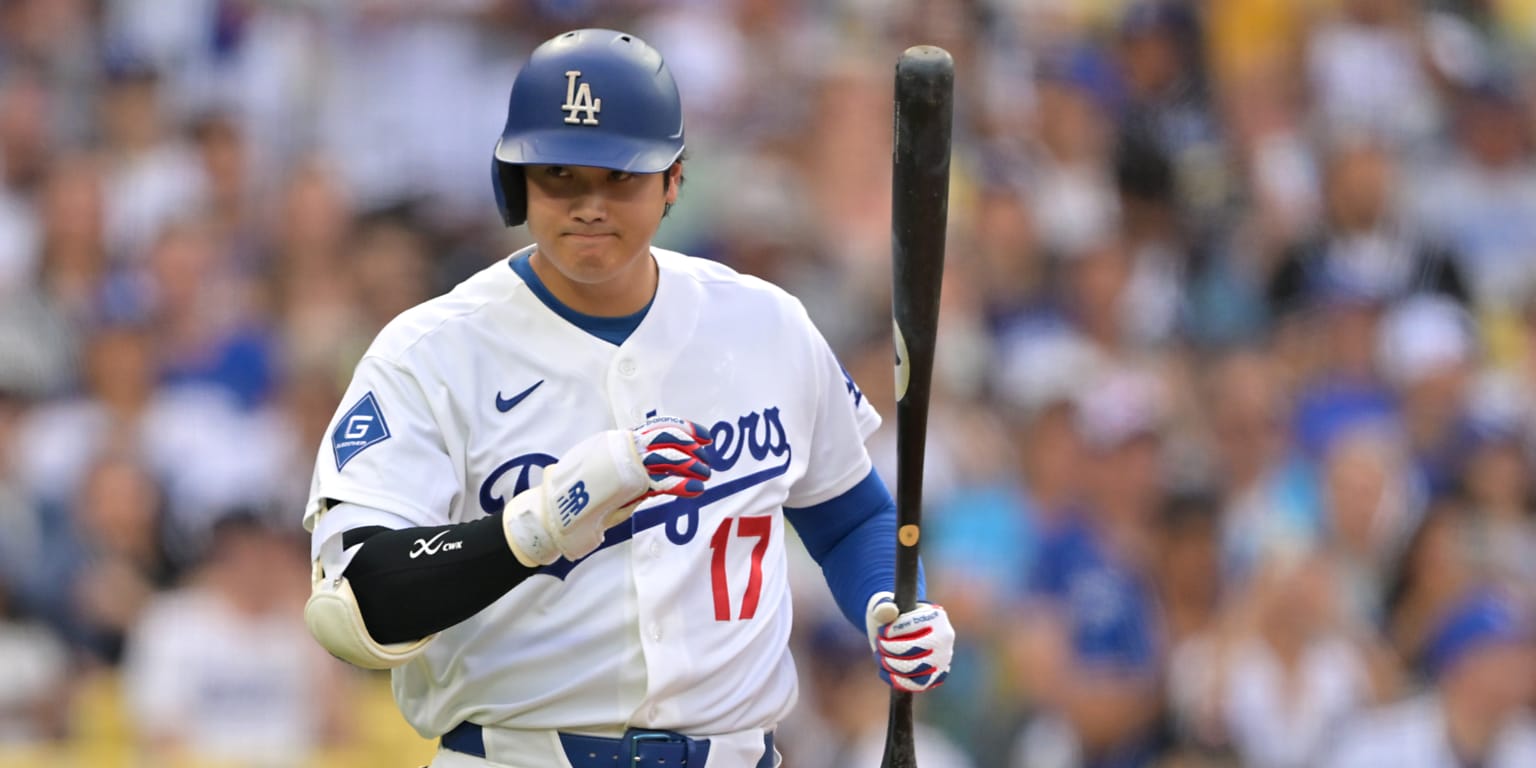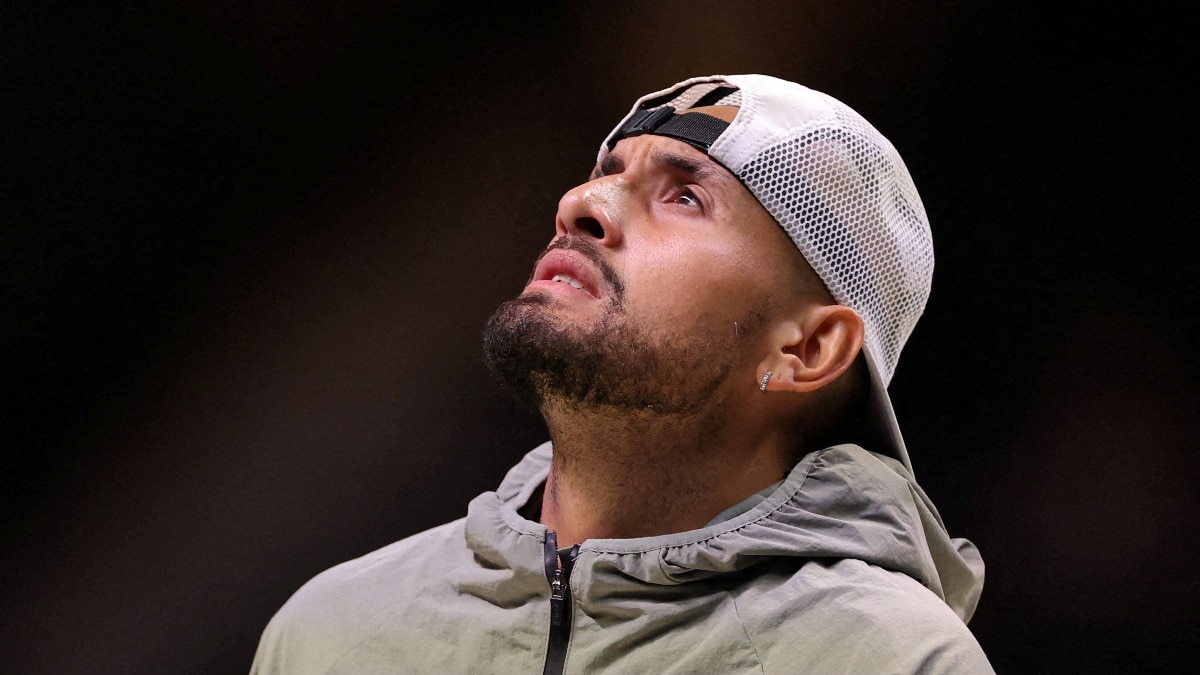
Australian tennis player Omar Jasika has raised concerns over the fairness of anti-doping penalties after Nick Kyrgios' cocaine ban was significantly reduced.
- Nick Kyrgios' cocaine ban was reduced from three months to one month.
- Omar Jasika served a full two-year ban for the same offence in 2018.
- Jasika is questioning if players punished under old rules deserve reconsideration.
A significant controversy has emerged in the Australian tennis circuit following the news that Nick Kyrgios has had his cocaine-related suspension drastically reduced. While Kyrgios has been cleared to return to competition after completing a treatment program, fellow Australian Omar Jasika has voiced concerns regarding the consistency and fairness of anti-doping penalties across different eras of regulation.
The Disparity in Sanctions
The International Tennis Integrity Agency (ITIA) accepted that Kyrgios' cocaine use occurred outside of competition, leading to a reduction of his initial three-month ban to just one month upon his entry into an approved treatment program. This shift toward rehabilitation has prompted Jasika to reflect on his own professional heartbreak.
Jasika, who tested positive for the same substance in 2018, was handed a two-year suspension. He noted that the combination of his ban and the subsequent COVID-19 pandemic effectively cost him nearly four years of his professional career during his peak developmental years.
Why This Matters
BozokMedia analysis shows that this debate highlights a fundamental shift in sports governance—moving from a purely punitive model to a rehabilitative one. However, it creates a legal and ethical gray area: should retroactive applications of improved rules apply to those who have already served their sentences under older, more draconian frameworks?
"The evolution of anti-doping toward rehabilitation is progress, but it leaves a lingering question of equity for those sanctioned under the old regime."
Jasika emphasized that his comments were not intended as an attack on his friend and former doubles partner, Kyrgios. Instead, he expressed a desire for the same support systems to have been available to him when he faced his own downfall. "I'm not saying Nick should have received a longer ban... I'm saying I wish the same help and understanding had been available to me," Jasika stated via Instagram.
Comparison of Sanctions
| Feature | Nick Kyrgios (Current Rules) | Omar Jasika (2018 Rules) |
|---|---|---|
| Offence | Cocaine Use | Cocaine Use |
| Initial Penalty | 3 Months | 2 Years |
| Final Penalty | 1 Month (Post-Treatment) | 2 Years (Full Suspension) |
| Rehabilitation Path | Available/Approved | Not Offered |
Frequently Asked Questions
1. Why was Kyrgios' ban reduced?
His ban was reduced because he successfully entered and completed an approved treatment program under current rules.
2. What is Omar Jasika's main argument?
Jasika argues that players under old rules were denied the rehabilitative pathways that are now standard, causing disproportionate career damage.