Former Pakistan spinner Saeed Ajmal has launched a scathing attack on the PCB leadership, claiming a toxic culture of egos has set Pakistan cricket back by a decade. This follows the controversial sacking of seven players and coaching staff mid-series against England.
- Saeed Ajmal accuses PCB of creating a toxic environment driven by egos.
- Seven players and head coach Sarfaraz Ahmed were sacked mid-series against England.
- PCB Chief Mohsin Naqvi defends decisions based on performance and rankings.
- An internal disciplinary inquiry has been launched by the PCB regarding conduct.
The turmoil within the Pakistan Cricket Board (PCB) has reached a boiling point following explosive comments from former spinner Saeed Ajmal. In a candid appearance on Samaa TV, Ajmal directly challenged PCB Chairman Mohsin Naqvi, asserting that the board itself is the primary source of demotivation for the national team players.
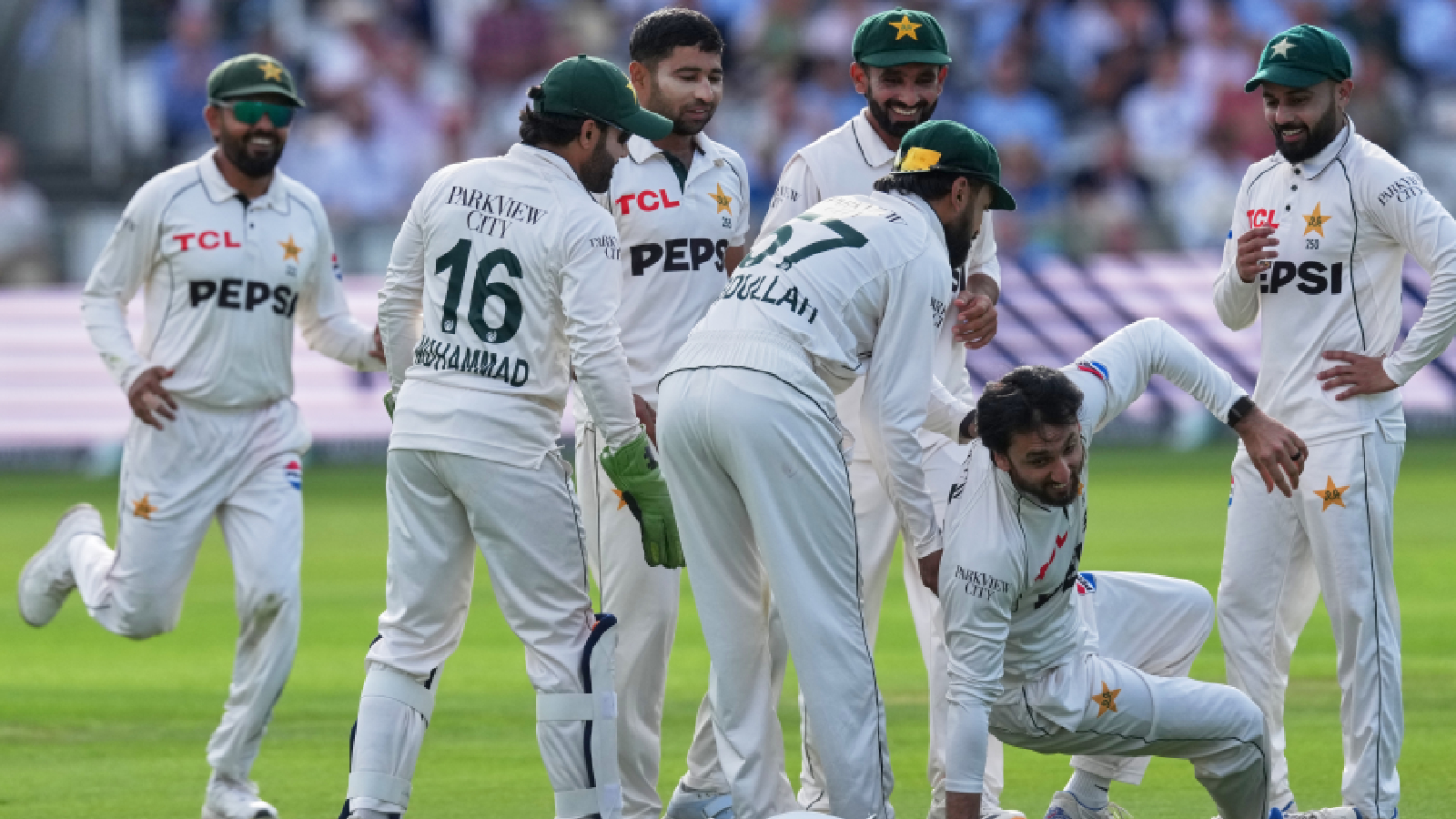
The controversy stems from a series of drastic decisions made during the current tour of England. In an unprecedented move, the PCB sacked seven players—including Muhammad Rizwan and Imam-ul-Haq—and sent home head coach Sarfaraz Ahmed and assistant coach Umar Gul, all with one Test match remaining at Edgbaston. This mass exodus has left the cricketing fraternity questioning the stability of the team's leadership.
Ajmal did not hold back, claiming that the board's approach has been one of humiliation rather than correction. He specifically pointed fingers at selector Aaqib Javed and white-ball coach Mike Hesson, suggesting that a "clash of egos" between these figures is controlling the team's direction. According to Ajmal, this mismanagement has effectively pushed Pakistan cricket back by ten years, leaving the future of the sport in the country unplanned and uncertain.
Why This Matters
BozokMedia analysis shows that this is not merely a dispute over player selection, but a systemic failure of communication between the administration and the athletes. When a board removes a significant portion of its squad mid-tour, it sends a signal of instability that can shatter the confidence of remaining players. The public war of words between a former legend like Ajmal and the current chief Naqvi indicates a deep rift in the national cricketing philosophy.
"The systematic removal of core players mid-series is a gamble that often results in long-term psychological scarring for the squad."
In response, Mohsin Naqvi defended the board's actions, citing the need for replacements when players fail to perform. Naqvi highlighted the team's improvement in ODI and T20I rankings under Mike Hesson's influence as proof of progress. He further suggested that critics are attempting to orchestrate his removal from the PCB chairmanship by amplifying the narrative of failure.
Adding to the chaos, PCB media director Amir Mir confirmed that an "internal disciplinary inquiry" is underway following reports of misconduct. While the board has urged the public to ignore "hostile external sources," the lack of transparency regarding the nature of the inquiry has only fueled further speculation.
| Action Taken | PCB Justification (Naqvi) | Criticism (Ajmal) |
|---|---|---|
| Sacking 7 Players | Performance-based replacement | Humiliation and demotivation |
| Coach Removal | Need for new direction | Lack of future planning |
| Internal Inquiry | Standard disciplinary procedure | Result of toxic ego clashes |
Frequently Asked Questions
1. Who are the key players sent home by the PCB?
The players sent home include Muhammad Rizwan, Imam-ul-Haq, Salman Ali Agha, Ali Usman, Khurram Shahzad, Aamir Jamal, and Muhammad Awais Jafar.
2. What is the current status of the Pakistan coaching staff?
Head coach Sarfaraz Ahmed and assistant Umar Gul were sent home, with Mike Hesson asked to oversee the Test team for the final match.