The influx of invited content creators at the US Open has sparked a heated debate among elite tennis players, pitting the need for sport growth against the necessity of on-court etiquette.
- USTA increased invited influencers from 54 in 2025 to over 100 this year.
- Stars like Naomi Osaka and Coco Gauff have flagged disruptions caused by ring lights and noise.
- Wimbledon has reacted by deciding against accrediting creators for the 2027 edition.
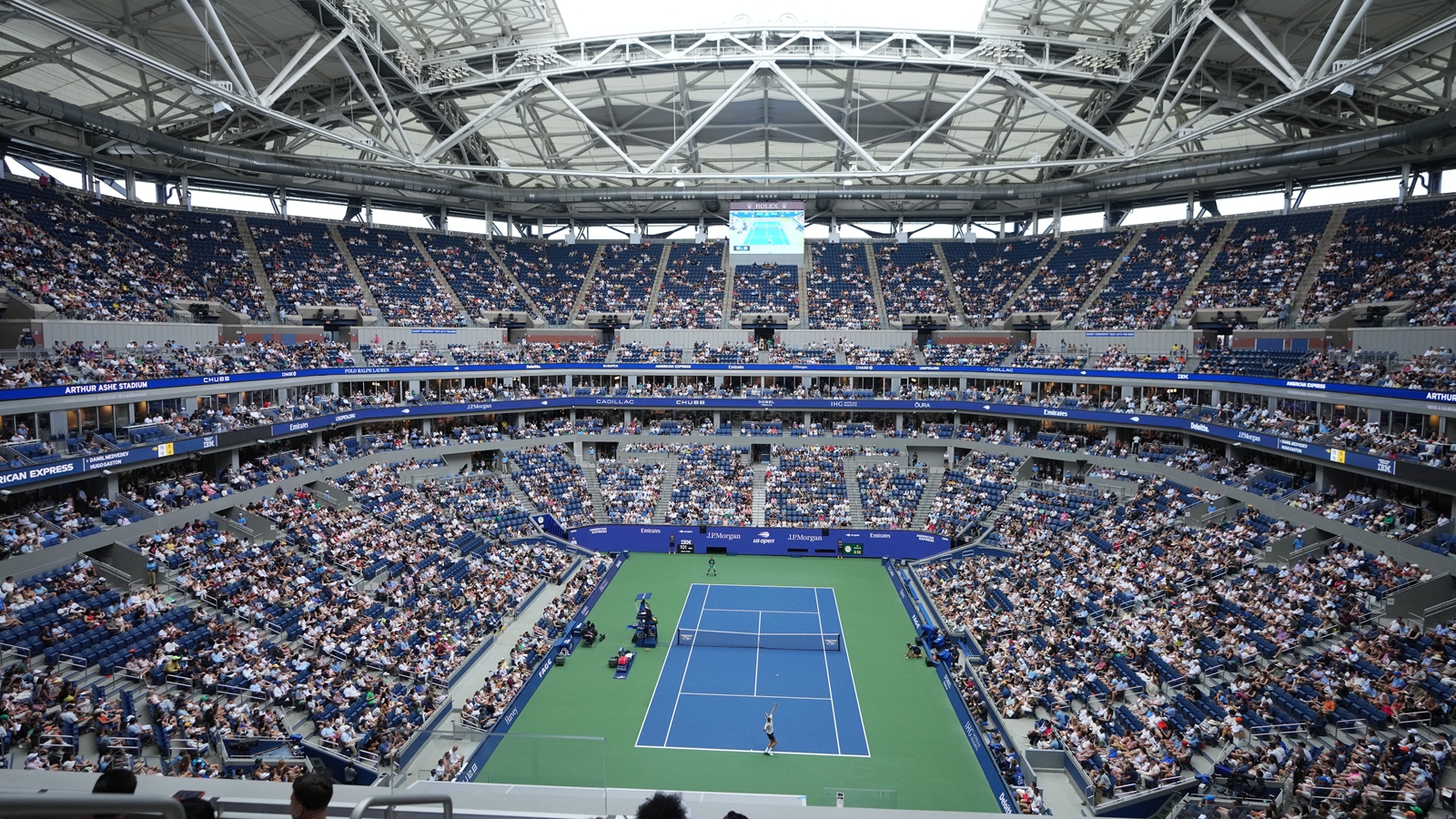
The US Open at Flushing Meadows is currently the battleground for a clash between traditional sporting etiquette and the modern 'creator economy.' The United States Tennis Association (USTA) has aggressively expanded its influencer program, aiming to transform the tournament into a 'Tennis Disneyland' to attract a younger, digitally-native demographic. However, this strategy has led to significant friction on the court.
Veteran French player Adrian Mannarino described the atmosphere as becoming 'a bit of a zoo,' citing the unrestricted movement of people during active points and an environment filled with noise and distractions. His comments highlight a growing frustration among players who view the court as a professional workspace rather than a social media backdrop.
The Ring Light Controversy
The tension peaked during Naomi Osaka's first-round match, where a group of creators used a ring light in a hospitality suite while Osaka was serving. The disruption was severe enough that chair umpire Kader Nouni had to pause the match to admonish the crowd. Osaka later emphasized that while influencer marketing is beneficial for the sport's growth, respect for the game's basic etiquette is non-negotiable.
Coco Gauff echoed these sentiments, using a red-carpet analogy: 'If you’re being invited to a red carpet, you wouldn’t show up in jeans.' For Gauff and Jessica Pegula, the use of selfie lights mid-match is not just a distraction but a sign of disrespect toward athletes whose careers are on the line.
Why This Matters
BozokMedia analysis shows that the tennis world is at a crossroads. The pressure to remain relevant in the age of TikTok and Instagram is pushing organizers to prioritize 'virality' over 'venue discipline.' While this may increase short-term viewership, it risks alienating the core athletes and compromising the integrity of high-stakes competition.
The intersection of sports and social media is inevitable, but when the 'content' becomes the priority over the 'competition,' the sport loses its essence.
Despite the criticism, some players like Daniil Medvedev and Frances Tiafoe support the trend. Medvedev argued that the upside of growing the sport outweighs the downsides, expressing trust in the USTA's vision. USTA spokesperson Brendan McIntyre has downplayed the incidents as 'infrequent,' asserting that umpires are well-equipped to handle crowd noise.
| Entity/Player | Stance | Core Argument |
|---|---|---|
| Wimbledon | Strict Opposition | Tradition first; no accreditation for creators in 2027. |
| USTA (US Open) | Supportive | Growth and connectivity with new audiences. |
| Naomi Osaka | Balanced/Critical | Marketing is good, but etiquette is mandatory. |
Frequently Asked Questions
Q1: Why is Wimbledon banning content creators in 2027?
Wimbledon aims to preserve the strict etiquette of the game and prevent disruptions like those seen at the US Open, including the use of ring lights.
Q2: How has the USTA responded to the players' complaints?
The USTA has stood by its decision to increase influencer numbers, claiming that disruptions are infrequent and manageable by chair umpires.