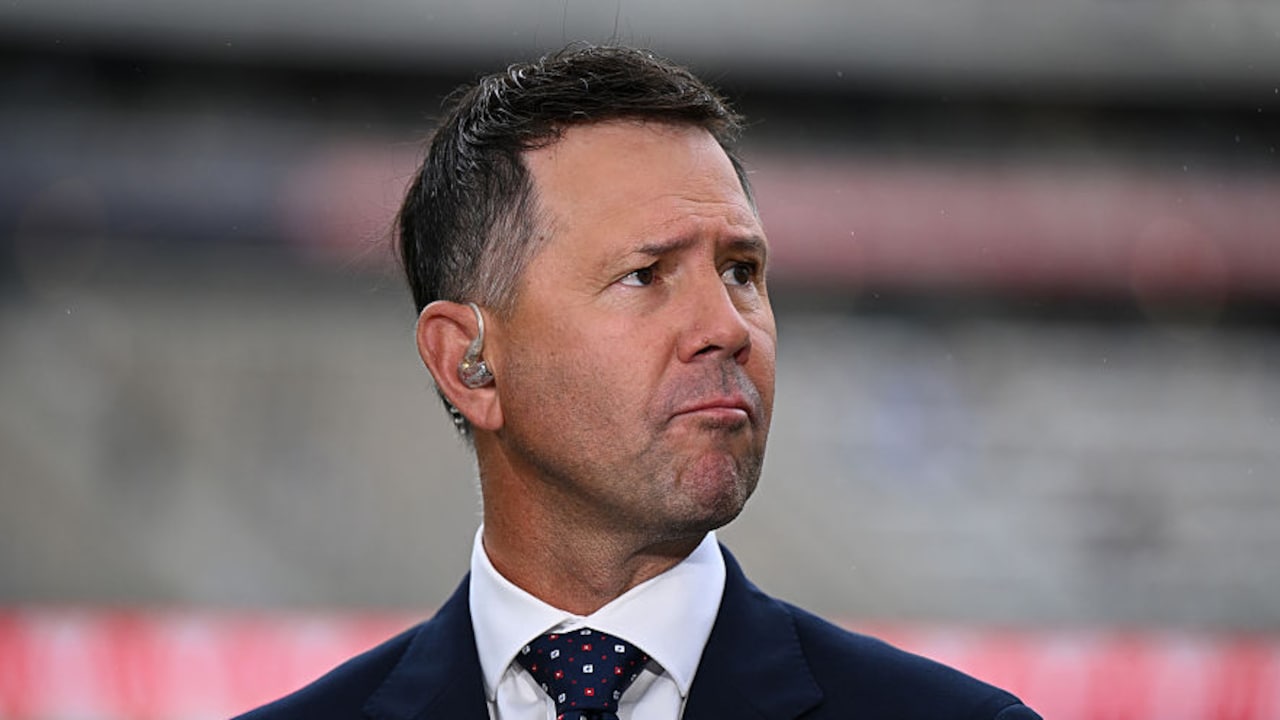
Cricket legend Ricky Ponting warns that the rise of global T20 leagues is making the decline of One Day Internationals inevitable. The former Australian captain highlights a shifting landscape in the sport's popularity.
- Ricky Ponting predicts a significant decline in ODI cricket matches.
- The proliferation of T20 franchise leagues is cited as the primary driver of this shift.
- Concerns grow over the balance between traditional formats and short-form entertainment.
Former Australian captain and legendary batter Ricky Ponting has sounded the alarm regarding the sustainability of One Day International (ODI) cricket. In a candid assessment of the current sporting climate, Ponting suggested that the format is facing an existential threat as the global appetite for Twenty20 (T20) cricket continues to grow exponentially.
The rise of franchise-based leagues, such as the Indian Premier League (IPL) and other emerging regional tournaments, has fundamentally altered the way players and fans engage with the game. Ponting believes that as these leagues expand their calendars, the window for international 50-over cricket will shrink, leading to a scenario where ODIs are played "less and less" in the coming years.
Why This Matters
BozokMedia analysis shows that the tension between commercial viability and sporting tradition is reaching a breaking point. While T20s generate massive revenue and attract a younger demographic, the ODI format provides the strategic depth that defined the modern era of cricket. If the 50-over game vanishes, the bridge between the volatility of T20s and the endurance of Test cricket will be lost.
The shift toward shorter formats is not just a trend; it is a structural transformation of the global cricket economy.
Historically, ODI cricket was the primary vehicle for global stardom, peaking with the ICC Cricket World Cup. However, the sheer speed of the T20 format offers immediate gratification, which aligns more closely with contemporary media consumption habits. This has led many boards to prioritize shorter formats over the traditional one-day game to maximize broadcasting rights and sponsorship deals.
Moreover, the physical and mental toll on players is a significant factor. With a packed international schedule and multiple franchise commitments, players are increasingly reluctant to commit to the longer durations required for ODI series, further accelerating the format's marginalization.
Frequently Asked Questions
Q1: Why is T20 cricket replacing ODIs?
T20s are shorter, more explosive, and more commercially lucrative for broadcasters and leagues.
Q2: Does the World Cup save the ODI format?
While the World Cup remains a prestigious event, the lack of regular bilateral ODI series weakens the format's overall health.