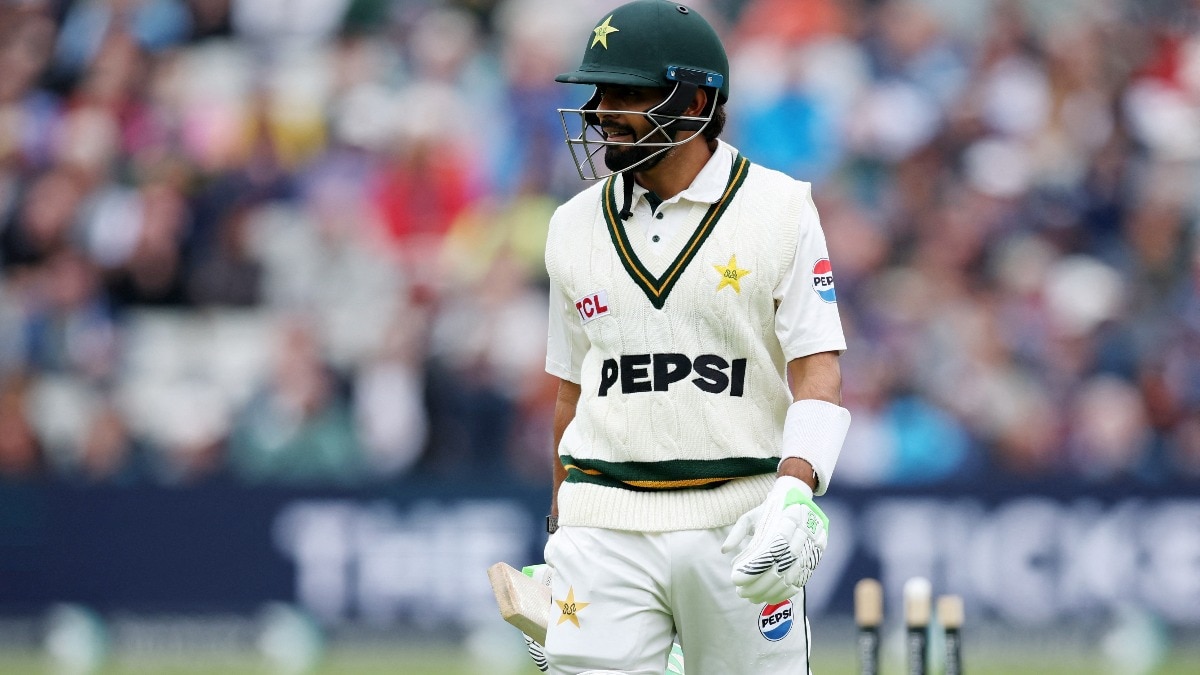
Pakistan's revamped lineup suffered a dramatic batting failure at Edgbaston, falling for a low score in under 34 overs. England recovered from early losses to secure a 23-run lead by the close of Day 1.
- Pakistan bowled out in just 34 overs, marking one of their shortest Test innings against England.
- Ollie Robinson reached 100 Test wickets faster than any post-war England bowler.
- England established a 23-run lead, powered by a century partnership between Emilio Gay and Harry Brook.
The Edgbaston Test began with high hopes for a reshaped Pakistan side, but the reality on the field was a recurring nightmare of batting fragility. Despite sweeping changes to the XI—including three debuts and the return of Saim Ayub—the visitors collapsed under the relentless pressure of the England seam attack. Captain Babar Azam had advocated for a "nothing to lose" mentality, yet the top order appeared paralyzed by the conditions.
England's pace trio of Ollie Robinson, Jofra Archer, and Josh Tongue exploited the swing and seam of the Edgbaston pitch to perfection. Robinson, in particular, delivered a masterclass in precision, achieving the historic milestone of 100 Test wickets faster than any English bowler since World War II. The damage was immediate; the opening partnership failed to reach double digits for the fifth time this series, and Archer's dismissal of Shan Masood left Pakistan reeling at 26/4.
The collapse reached a critical point when Josh Tongue removed Babar Azam, clipping the off-stump and exposing a top order that managed only 24 runs combined for the first five batters. This marks Pakistan's second-lowest such total in a Test innings since the turn of the millennium. While Saud Shakeel attempted to anchor the innings, he lacked support, eventually falling in the 40s after a lonely battle against the English onslaught.
Why This Matters
BozokMedia analysis shows that Pakistan's persistent failure to build opening partnerships is no longer a tactical fluke but a systemic crisis. The inability to weather the first 15 overs of a Test match in English conditions suggests a profound gap in technical adaptability. For England, this dominance reinforces their aggressive approach and the lethal form of their pace battery.
"Pakistan's technical deficiency against the moving ball at Edgbaston highlights a worrying lack of resilience in their top order."
England's reply was not without its hurdles. Pakistan's bowlers found early success, with Mohammad Abbas and Babar Azam combining to reduce the hosts to 24/2. Even the legendary Joe Root, who became the third-most capped Test cricketer during the match, fell victim to a recurring LBW struggle, dismissed by debutant Razaullah.
However, the momentum shifted decisively with a resilient partnership between Emilio Gay and Harry Brook. Gay, who became the first opener in the series to score a half-century, weathered a painful blow to the knee to stabilize the innings. Together with Brook, they forged a century stand—England's first 100-plus fourth-wicket partnership at home against Pakistan in two decades.
| Metric | Pakistan (1st Innings) | England (1st Innings - Day 1) |
|---|---|---|
| Top Scorer | Saud Shakeel (40s) | Emilio Gay (50+) |
| Key Bowler/Impact | Mohammad Abbas (2 wickets) | Ollie Robinson (100 Wickets Milestone) |
| Status | All Out (34 Overs) | Leading by 23 runs |
Frequently Asked Questions
Q1: How many wickets did Ollie Robinson take to reach his milestone?
Robinson reached his 100th Test wicket during the first day of the Edgbaston Test against Pakistan.
Q2: What was the significance of the Gay-Brook partnership?
It was England's first 100-plus fourth-wicket partnership at home against Pakistan in 20 years.