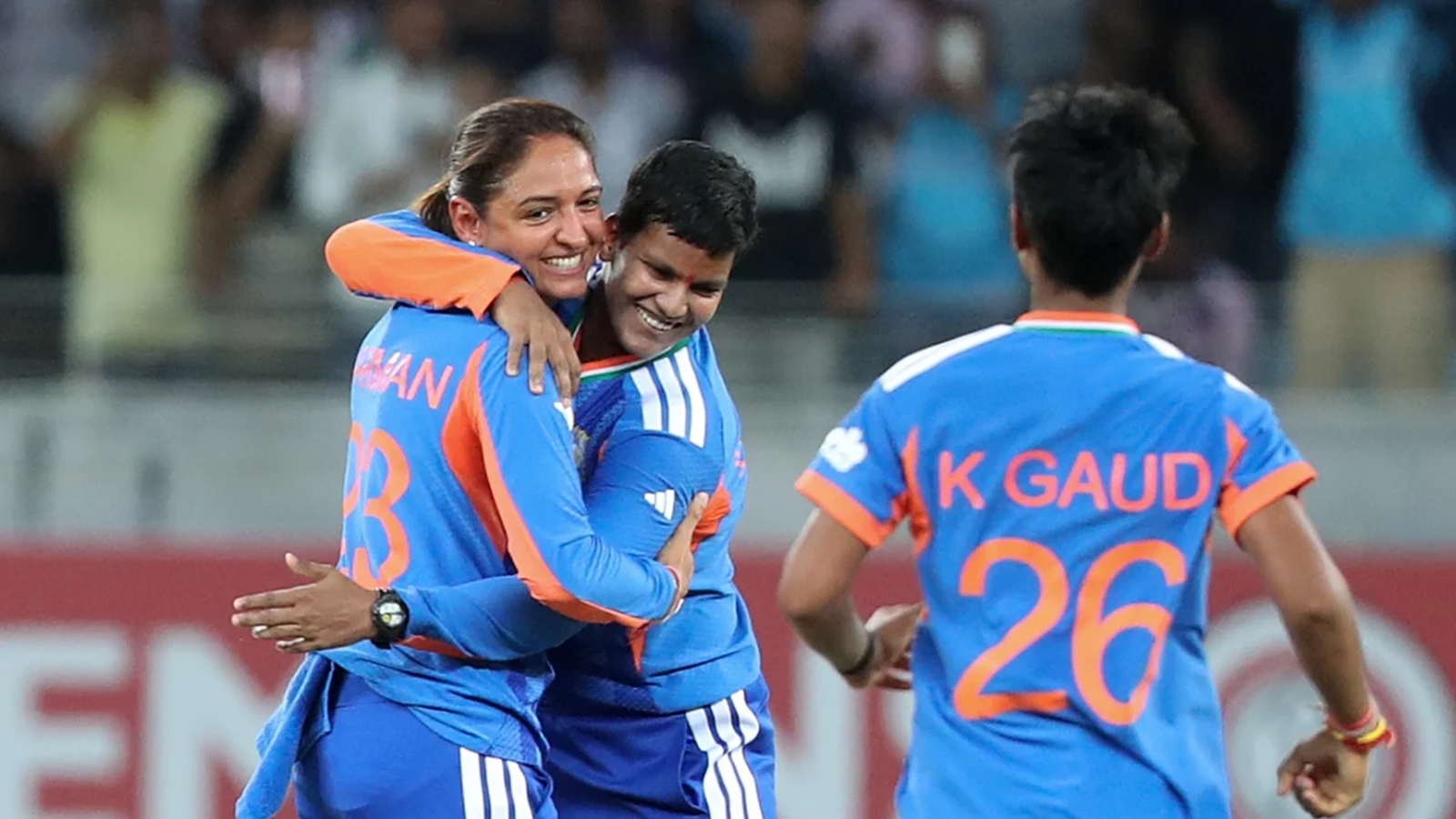
The reigning 50-over world champions, India, face Bangladesh in a high-stakes Asia Cup semifinal. While India dominates on paper, a fragile middle order remains their only Achilles' heel.
- India enters the semifinal as favorites after dominant wins over Pakistan, Thailand, and Hong Kong.
- Bangladesh seeks to replicate their historic 2018 Asia Cup final victory over India.
- India's batting relies heavily on openers Mandhana and Verma, with the middle order struggling for consistency.
- India's spin attack is currently the most lethal force in the tournament.
The upcoming clash between India and Bangladesh in the 2026 Women’s Asia Cup semifinals in Dubai is more than just a knockout game; it is a study in evolution. Eight years ago, in Kuala Lumpur, Bangladesh stunned the cricketing world by defeating India to claim their maiden continental title. Back then, India was a team in turmoil, plagued by internal rifts and a lack of direction. Today, the landscape has shifted dramatically.
The current Indian squad, led by the veteran Harmanpreet Kaur, arrives in Dubai not as hopefuls, but as the reigning 50-over world champions. Their journey to the semifinals has been characterized by absolute dominance, treating opponents like Pakistan, Thailand, and Hong Kong with a level of disdain that suggests a massive gulf in class. For India, the objective is clear: maintain their trajectory toward the trophy.
Why This Matters
BozokMedia analysis shows that while India's overall dominance is undeniable, their statistical dependency on the opening pair—Smriti Mandhana and Shafali Verma—is a potential vulnerability. In this tournament, the openers have accounted for a staggering 62.6% of the team's total runs. If Bangladesh can find a way to break the opening stand early, India's middle order, which has struggled for runs throughout the year, could crumble under pressure.
"The psychological edge lies with India due to their world champion status, but the tactical advantage shifts to Bangladesh if they can penetrate the powerplay early."
On the other side of the pitch, Bangladesh enters the fray with the mindset of the underdog. After their recent struggle against the UAE, where they were restricted to 103/7, the team is under pressure to perform. However, as former captain Salma Khatun noted years ago, the lack of expectation can be a powerful weapon. For Bangladesh, this is a 'nothing to lose' scenario, which often breeds fearless cricket.
The bowling department remains India's strongest asset. Their spin trio has been virtually unplayable, claiming 20 wickets for just 79 runs. For Bangladesh to survive, they will need to navigate a minefield of spin on a Dubai surface that historically favors the slow bowlers.
| Feature | India (Team India) | Bangladesh (The Tigresses) |
|---|---|---|
| Current Status | World Champions / Favorites | Underdogs / Challengers |
| Key Strength | Lethal Spin Attack & Openers | Fearless Underdog Mentality |
| Major Weakness | Fragile Middle Order | Inconsistent Batting Form |
Frequently Asked Questions
Who are the key players for India in this match?
Captain Harmanpreet Kaur, Smriti Mandhana, and Shafali Verma are the pillars of the team, while the spin trio leads the bowling attack.
What is the historical context of this rivalry?
While India usually dominates, Bangladesh famously won the 2018 Asia Cup final, proving they can beat India on the big stage.