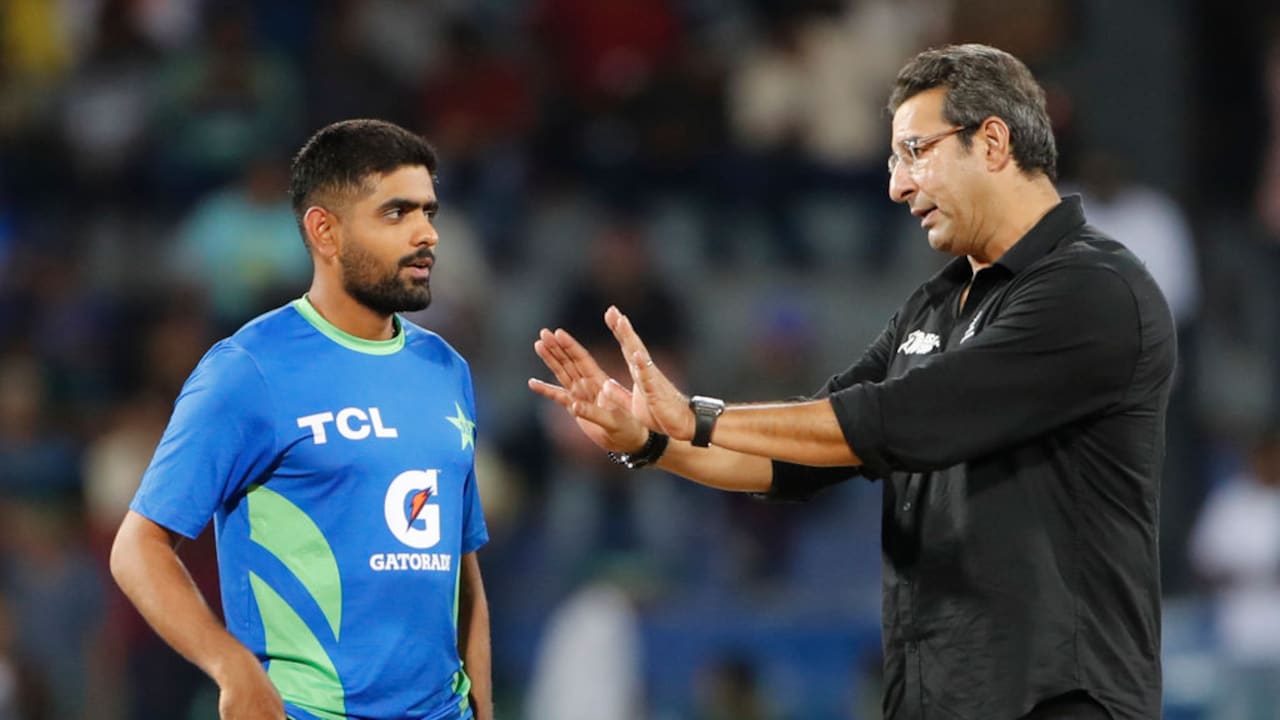
Legendary fast bowler Wasim Akram has firmly declined multiple invitations to take up administrative or coaching roles within the Pakistan Cricket Board (PCB). He pointed to the toxic public backlash and frequent leadership changes as key reasons for staying away from the crisis-ridden national setup.
- Wasim Akram has repeatedly declined official coaching or administrative roles with the Pakistan Cricket Board (PCB).
- The legendary pacer cites toxic social media abuse and systemic instability within the board as major deterrents.
- Akram prefers short-term franchise roles and commentary over full-time, high-pressure national assignments.
Pakistan cricket has been in a state of perpetual crisis, marked by rapid leadership changes, poor on-field performances, and administrative chaos. Amid calls for legendary figures to step in and steady the ship, former captain and bowling icon Wasim Akram has made it clear that he will not be taking up any official roles within the Pakistan Cricket Board (PCB), despite being approached multiple times.
Known globally as the "Sultan of Swing," Akram has expressed deep reservations about the toxic environment surrounding Pakistan cricket. The legendary pacer has previously highlighted how coaches, selectors, and administrators are subjected to extreme vilification and personal abuse on social media whenever the national team underperforms. For a figure of his stature, risking his hard-earned reputation in such a volatile ecosystem is simply not worth it.
Beyond public backlash, the structural instability within the PCB remains a massive hurdle. Over the past few years, the board has seen a revolving door of chairmen, including Ramiz Raja, Najam Sethi, Zaka Ashraf, and Mohsin Naqvi. Each leadership change brings a complete overhaul of the coaching staff and selection committee, offering zero job security or long-term vision for anyone involved.
Why This Matters
According to a BozokMedia analysis, the reluctance of legendary figures like Wasim Akram to join the national setup highlights a deeper crisis of credibility for the PCB. When a nation's greatest sporting icons refuse to help rebuild its crumbling infrastructure, it signals to the global cricketing community that the issues within Pakistan cricket are systemic, political, and potentially irreversible without radical reform.
"The constant abuse and lack of respect shown to former greats who take up management roles in Pakistan cricket has created a massive deterrent. Why would someone of Wasim Akram's stature subject himself to such toxicity when he already has a highly successful global career in commentary and broadcasting?" - Senior Cricket Analyst
| Feature | Pakistan Cricket Board (PCB) | Stable Boards (e.g., BCCI / CA) |
|---|---|---|
| Leadership Stability | Frequent, politically influenced changes | Fixed tenures, structured transitions |
| Public/Media Pressure | Extreme, often personal social media abuse | Professional scrutiny, managed PR |
| Role Security | Coaches/Selectors fired after single series losses | Long-term contracts and structural support |
Historical Background of the Crisis
This is not the first time Akram has distanced himself from the national team. While he has occasionally helped bowlers in short-term training camps, he has consistently avoided full-time commitments. Other legends, including Waqar Younis and Misbah-ul-Haq, have taken up roles in the past, only to exit under controversial circumstances amidst intense media trials and board politics. This historical pattern validates Akram's cautious stance.
Frequently Asked Questions
Q1: Why did Wasim Akram reject coaching offers from the PCB?
A1: Wasim Akram rejected the offers due to the toxic social media abuse directed at team management and the high level of administrative instability within the PCB.
Q2: Has Wasim Akram ever worked with the Pakistan team?
A2: While Akram has conducted short-term bowling clinics and acted as an advisor, he has consistently declined full-time coaching or administrative positions.