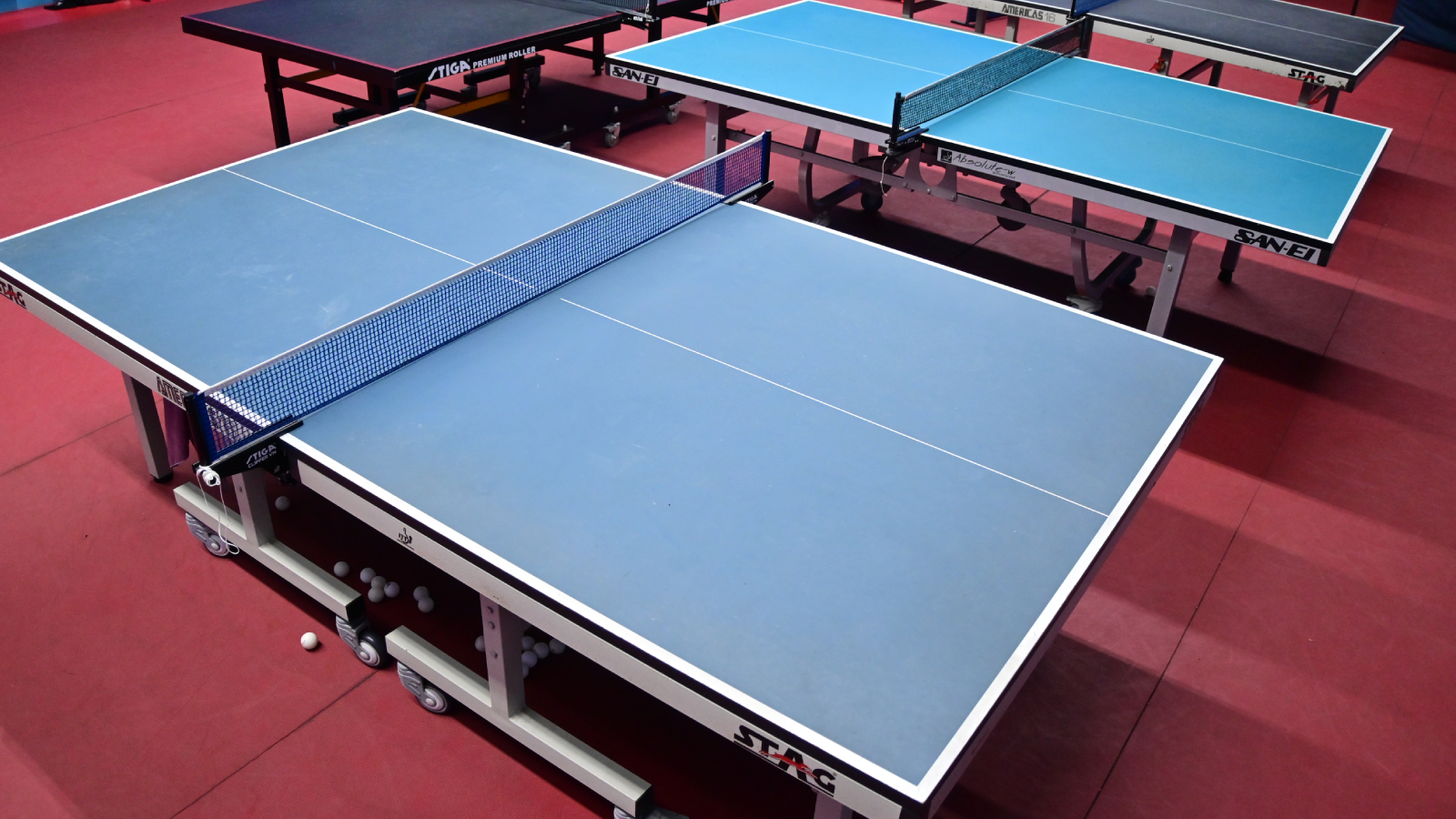
Indian table tennis athletes face a grueling tactical battle at the Aichi-Nagoya Asian Games as they adapt to slower, less spin-heavy tables. Experts reveal how surface friction and linear speed create a massive gap between domestic training and international competition.
- Indian tables are generally faster and grainier, while Asian Games tables (DHS) are slower and reduce spin.
- Slower ball speeds demand higher lower-body power and different stroke mechanics.
- China and Korea utilize 12-13 different table types for training, whereas India has limited access.
In the high-stakes world of professional table tennis, the battle is not just between two athletes; it is between the player and the surface beneath the ball. As Indian stars prepare for the Aichi-Nagoya Asian Games, a critical technical hurdle has emerged: the variance in table surfaces. Much like the difference between grass and clay in tennis, table tennis surfaces can drastically alter the trajectory, speed, and spin of the ball.
According to veteran player G Sathiyan, the environment in India typically features tables that are grainier and faster, especially in hotter climates where the ball accelerates. However, the DHS (Double Happiness) tables commonly used in China and Japan are significantly slower. This shift in physics means that the "spin quotient" drops, forcing players to change their entire approach to the game.
Why This Matters
BozokMedia analysis shows that this is not merely a matter of preference but a fundamental physiological challenge. When the ball arrives slower, players cannot rely on the ball's own momentum to generate pace. Instead, they must produce significantly more power from their lower body and legs to drive the ball across the net. This increases the risk of fatigue and injury if the athlete is not in peak physical condition.
| Feature | Indian Tables | Asian Games (DHS) Tables |
|---|---|---|
| Ball Speed | Fast / Whizzing | Slower / Controlled |
| Spin Quotient | High (Grippier) | Lower |
| Physical Demand | Upper body reaction | Heavy Lower body power |
Coach S Raman emphasizes that there are three primary variables: vertical bounce, friction-based spin, and linear speed. For players like Manush Shah and Manav Thakkar, the strategy involves staying closer to the table to handle shorter balls while focusing on a defensive-to-offensive transition in rallies.
"The segregation in TT is like first week clay, second grass and then clay again in a different country; you have to constantly recalibrate your playing style."
The disparity in training infrastructure is also evident. While top-tier facilities in China and Korea provide athletes with 12 to 13 different types of tables to simulate every possible tournament condition, Indian players often have access to only three or four variations. This makes the "acclimatization period" during practice days at the venue absolutely critical.
Despite the technical jargon, Coach Raman notes that some industry talk regarding "the latest table" is often a manufacturing gimmick, similar to the annual release of iPhones, involving minor surface tampering rather than revolutionary technology. Ultimately, the mental fortitude to treat the table as a neutral tool rather than an enemy is what separates the champions from the contenders.
Frequently Asked Questions
Q1: Why do slower tables require more leg strength?
Because the ball doesn't provide natural speed, the player must generate all the power from the ground up through their legs and core to hit a winning shot.
Q2: How do players prepare for unknown table conditions?
Athletes study the tournament prospectus to identify the table brand and use their limited practice sessions to adjust their timing and stroke length.

