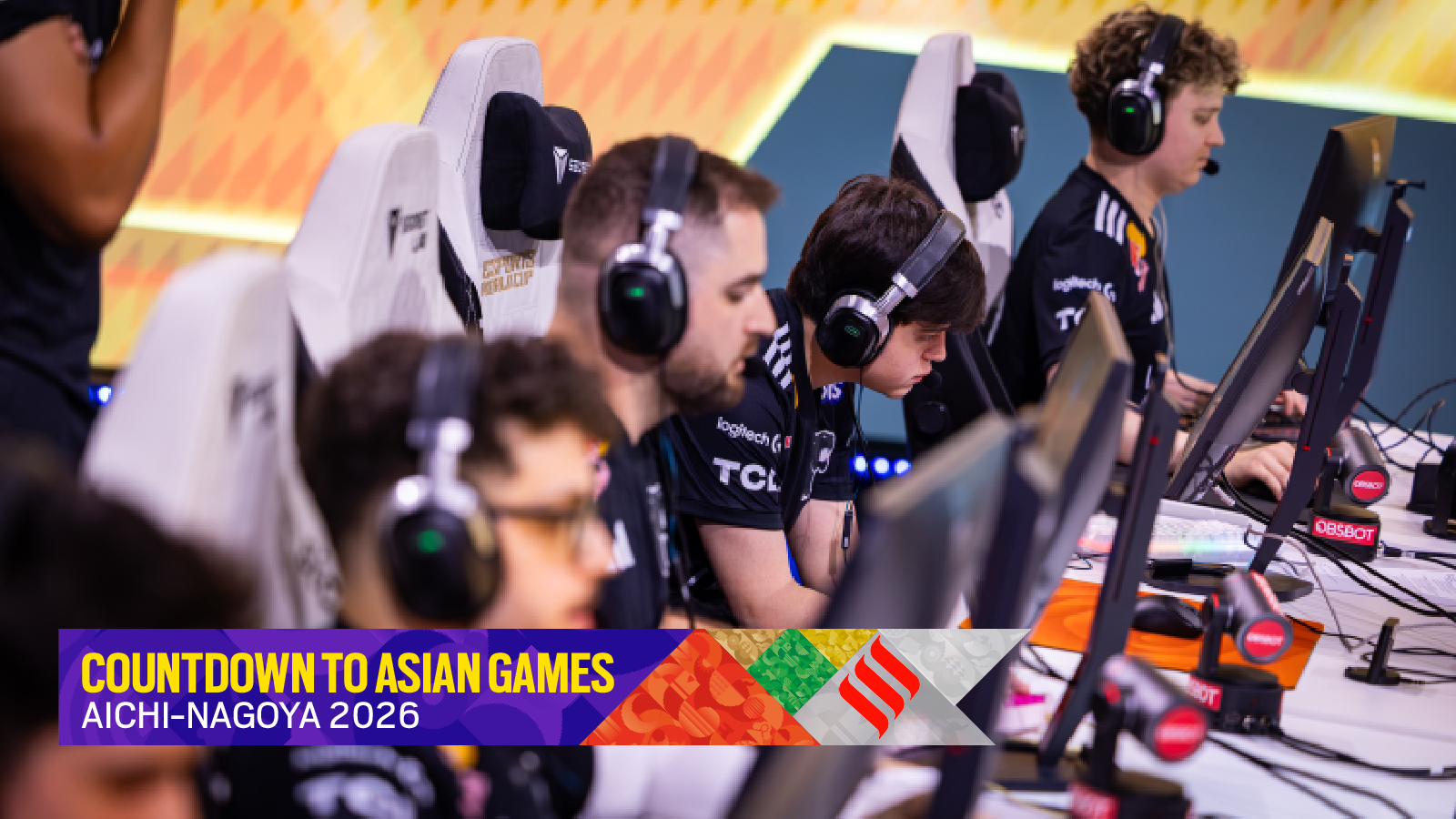
The upcoming Asian Games are introducing strict Olympic-standard hardware protocols, ensuring that skill, not expensive gear, determines the champions.
- Players must surrender personal peripherals to a technical quarantine for inspection.
- All competitors will use identical, tournament-issued devices to ensure parity.
- Local, hardwired servers will eliminate latency and ping spikes.
- Strict firmware whitelisting will prevent the use of unauthorized macros or cheats.
For years, the amateur gaming experience in India has been defined by struggle—fighting 200ms ping spikes, overheating budget phones, and unreliable internet. While professional gaming has moved toward controlled environments, a massive gap has always existed between those with elite gear and those without. However, the landscape is about to change forever with the implementation of Olympic-grade standardization at the upcoming Asian Games.
The Era of Technical Quarantine
Under the oversight of the Asian Electronic Sports Federation (AESF), the technical rigor applied to esports is now comparable to an anti-doping laboratory. Before stepping onto the stage, players must undergo a process of 'technical quarantine.' This involves surrendering personal mice, keyboards, and headsets to officials. Scrutineers meticulously examine onboard memory chips to ensure no hidden macros or scripts exist, and firmware is tested against strict whitelists to prevent any unfair advantage.
This level of scrutiny ensures that the competition is purely about human reflex and strategy. If a cable shows signs of tampering or a peripheral brand is not on the approved list, it is immediately disqualified from the arena.
Why This Matters
BozokMedia analysis shows that this move is crucial for the legitimacy of esports as a global sport. By removing the 'pay-to-win' element inherent in hardware advantages, the industry is transitioning from a tech-heavy hobby to a pure athletic discipline. This standardization levels the playing field for emerging nations like India, where high-end hardware is not always accessible to every talented player.
Hardware standardization is the final bridge between gaming as entertainment and gaming as a legitimate Olympic discipline.
In mobile-centric regions like India, where titles like BGMI dominate, the impact is even more profound. Organizers will provide identical, tournament-issued handsets that are stripped of all background processes to prevent thermal throttling. To combat the noise of massive stadiums, players will utilize an 'audio sandwich'—a combination of custom in-ear monitors and aviation-grade ear defenders.
| Feature | Amateur/Local Setup | Olympic/Asian Games Standard |
|---|---|---|
| Connectivity | Unstable Wi-Fi / Mobile Data | Hardwired Ethernet (Near-Zero Latency) |
| Devices | Personal/Varying Quality | Identical Tournament-Issued Gear |
| Handsets | Personal (Thermal Throttling risk) | Optimized (External Bypass Power) |
| Software | Uncontrolled/Background Apps | Strictly Whitelisted/Stripped Bloatware |
Frequently Asked Questions
Question 1: Can I use my own custom mechanical keyboard?
No, all personal gear must be surrendered for quarantine and inspection.
Question 2: How is lag prevented in the arena?
All devices are hardwired via Ethernet directly into local, on-site enterprise servers.